
Last updated November 15, 2026
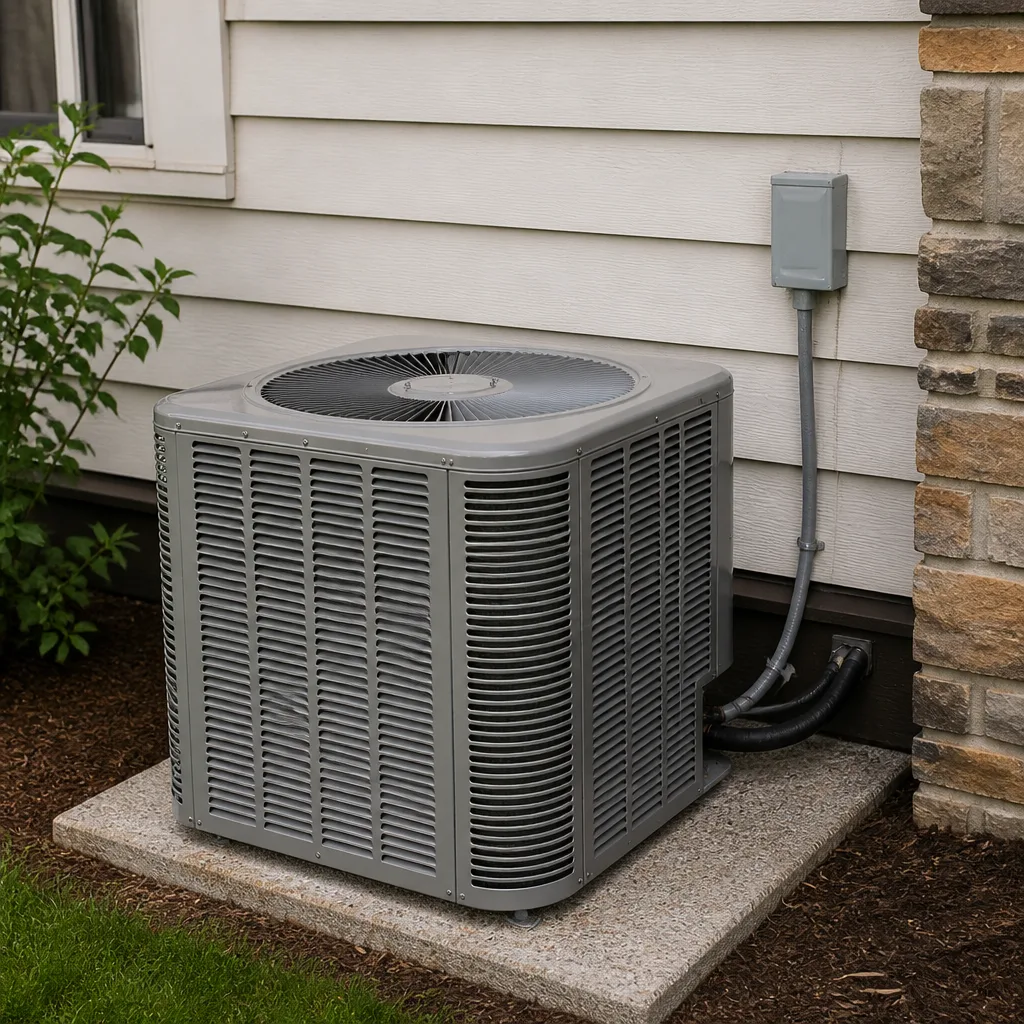 AC repair
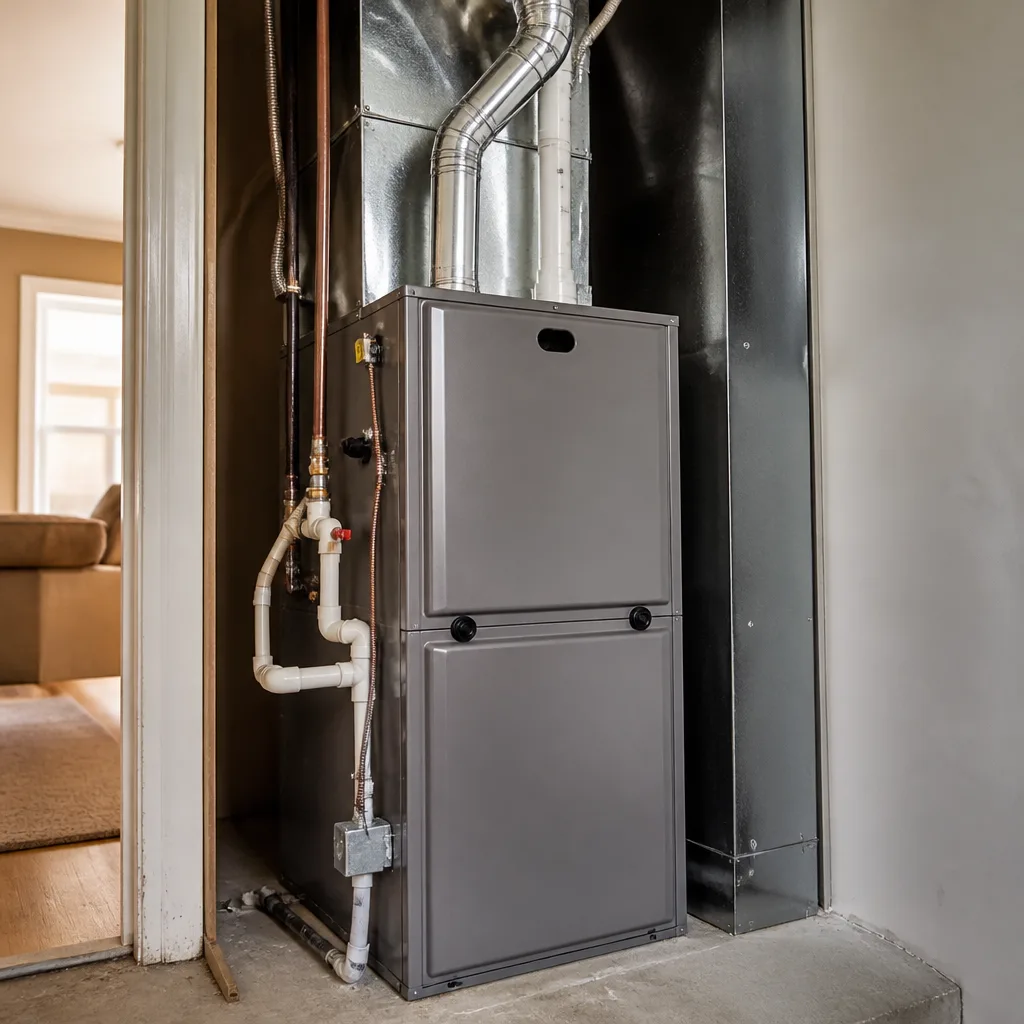 Furnace & heating
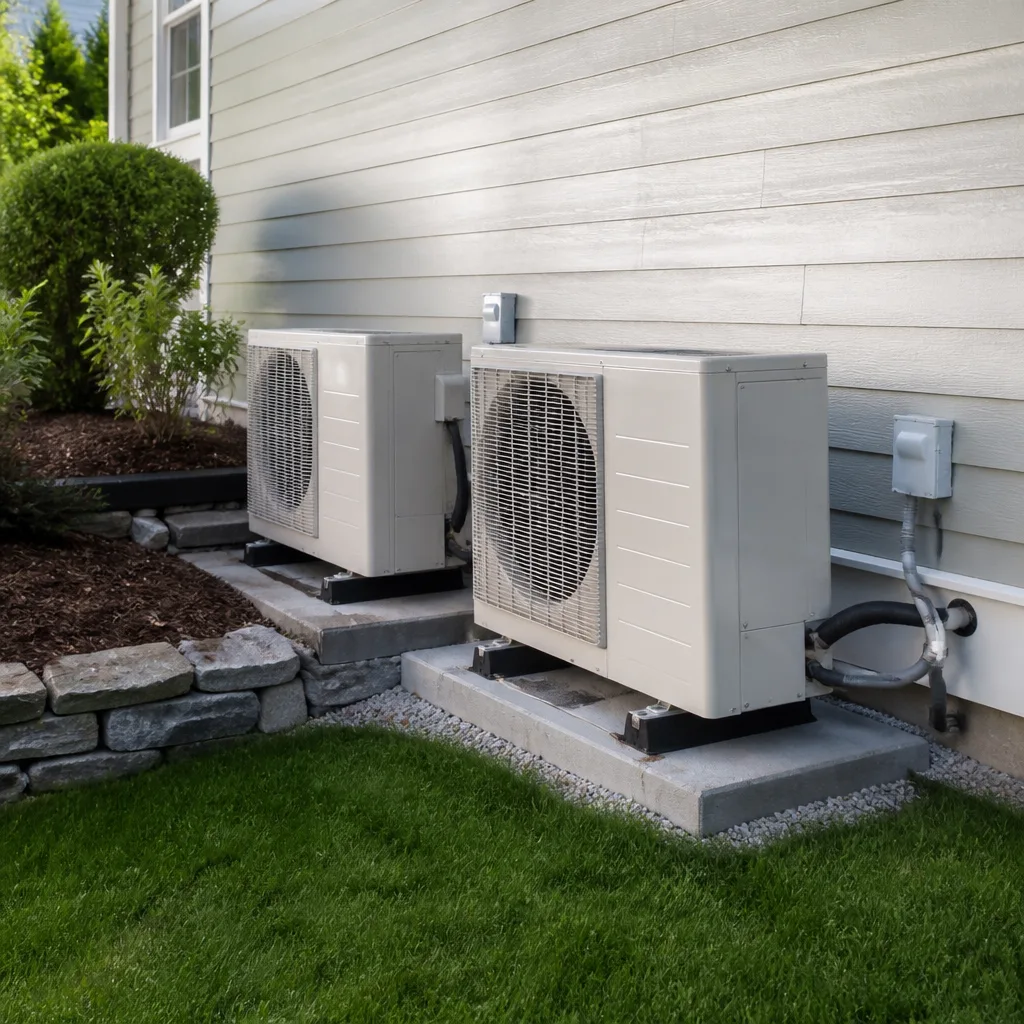 Heat pumps
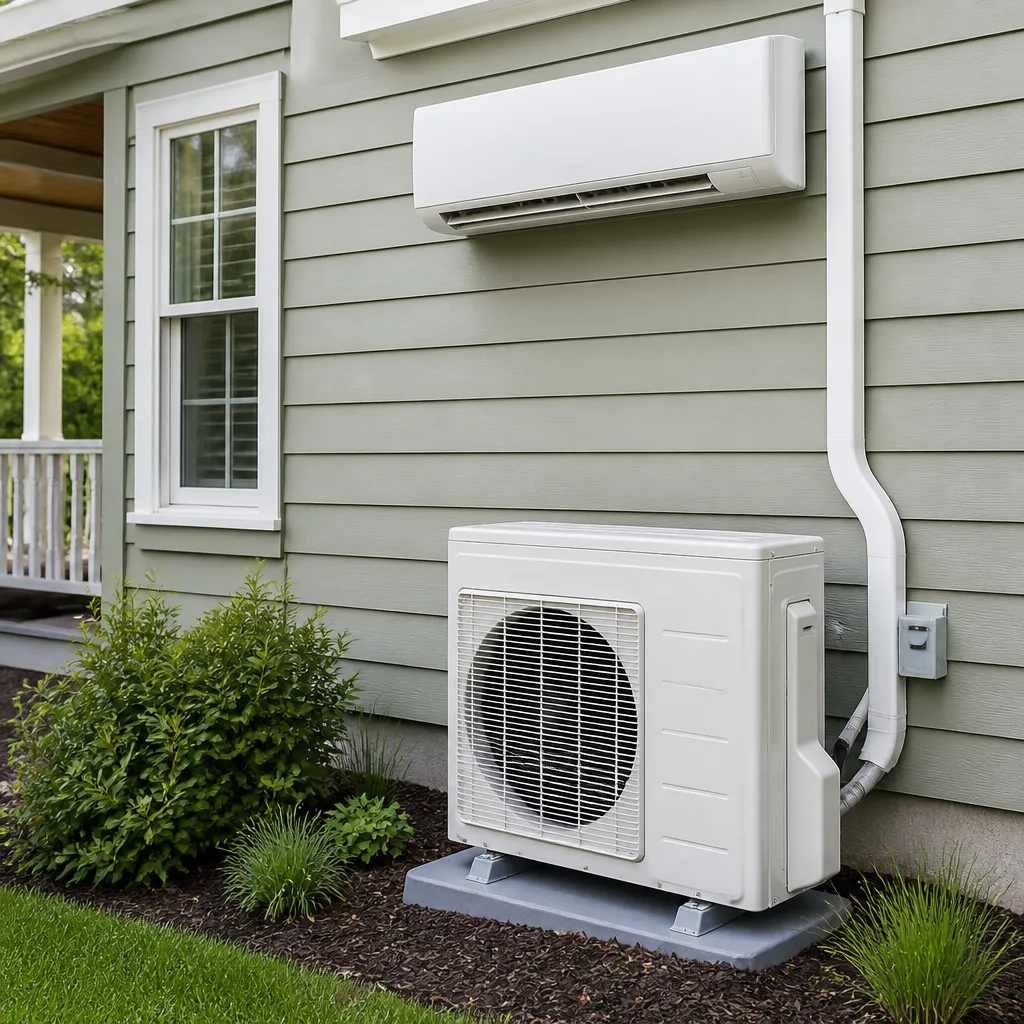 Ductless mini splits
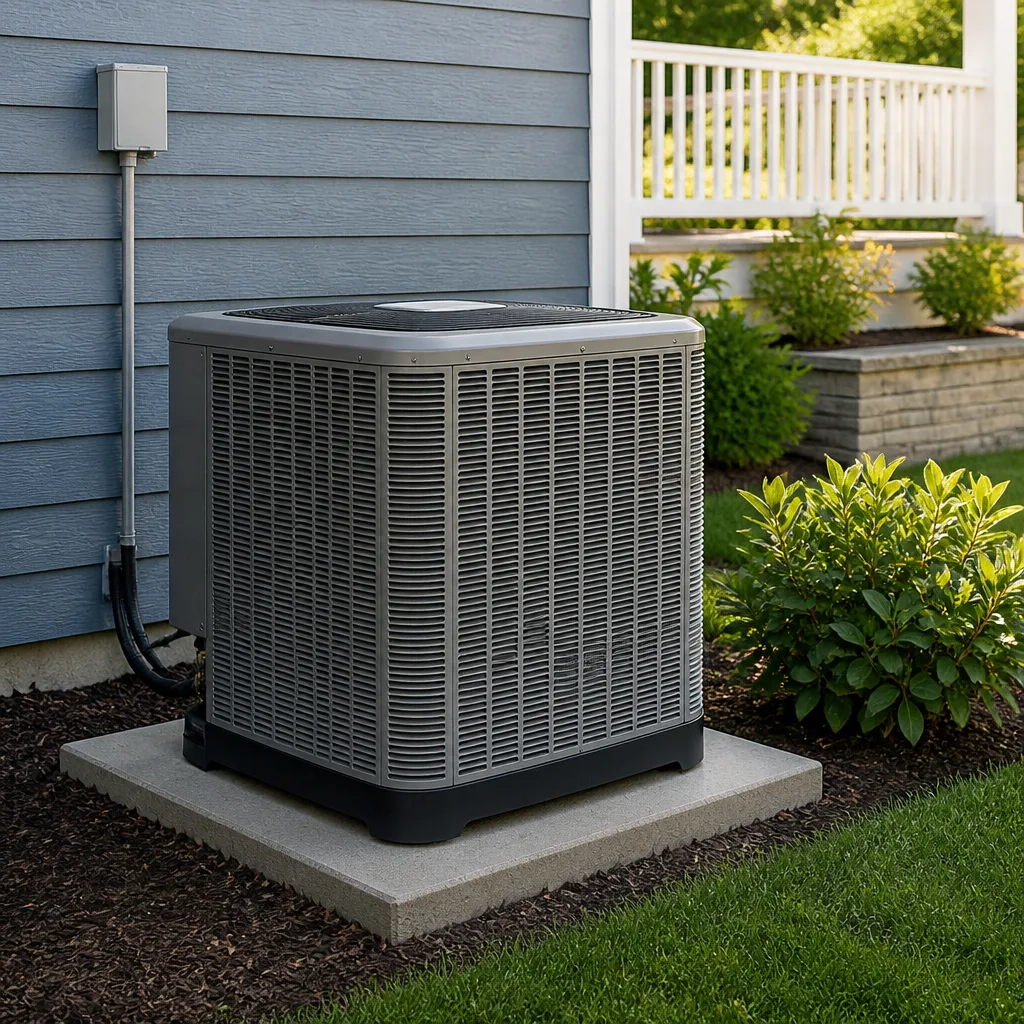 Carrier
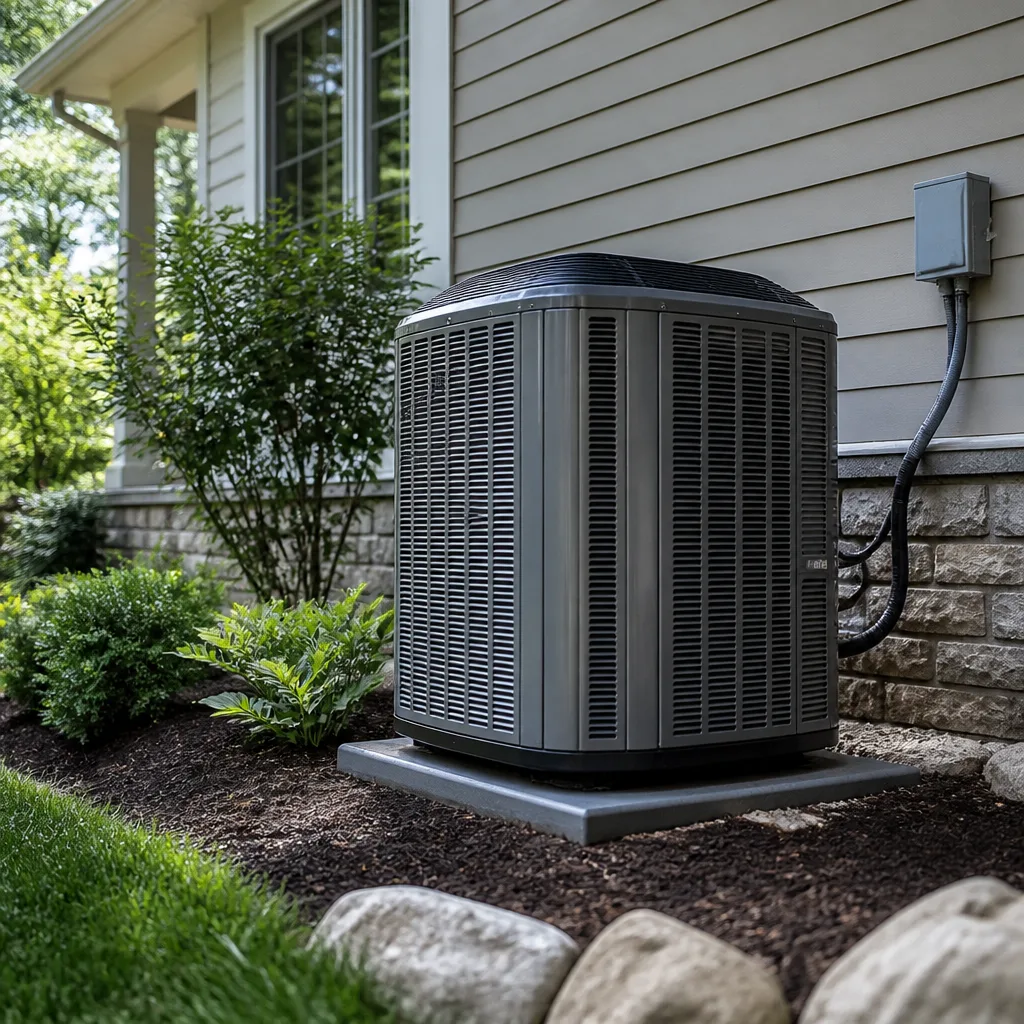 Trane
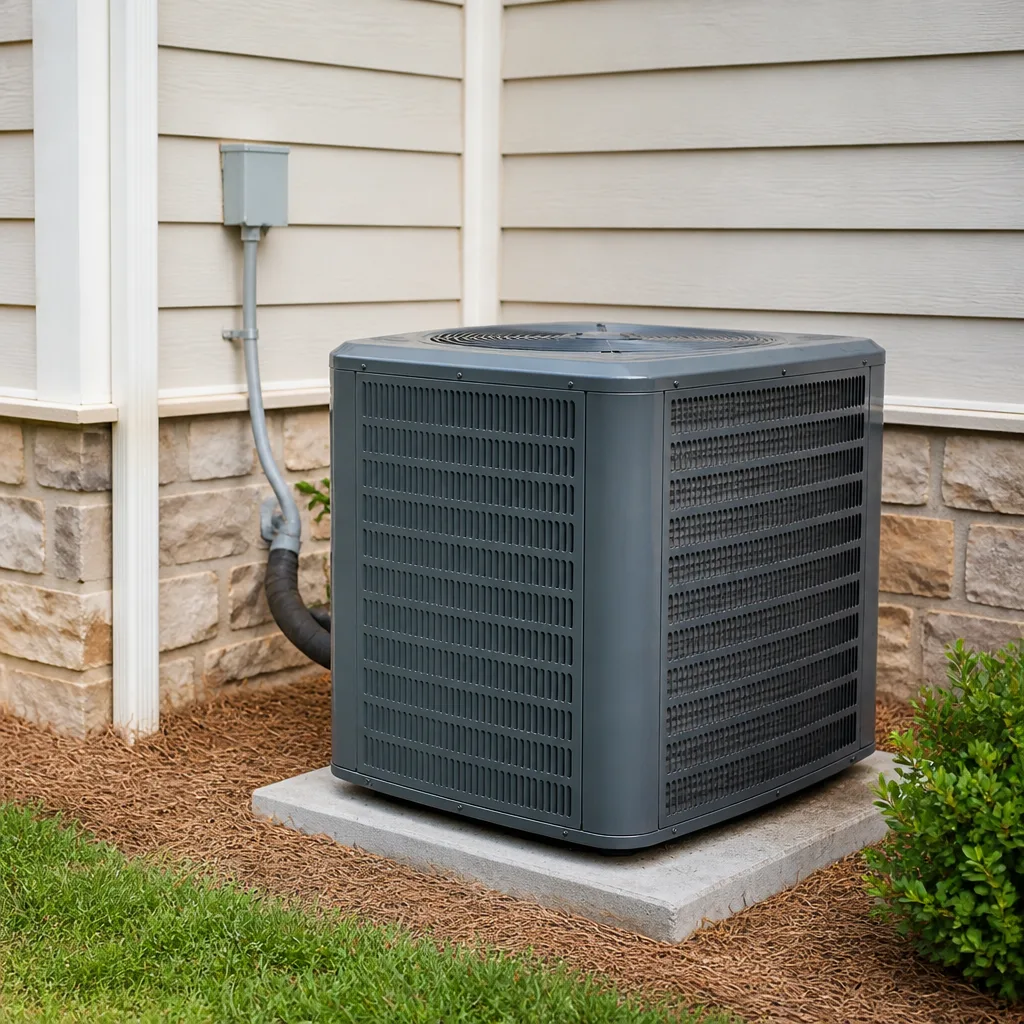 Goodman
Seasonal tune-up and full diagnostic on your Carrier, Trane, or Goodman system - readings shown to you before any repair is proposed
Diagnosis first, numbers second - you approve the repair price before a single part goes in.
Get your free estimateAC Repair Maintenance Checklist for Lehigh Acres Homeowners
Most AC maintenance checklists you’ll find online were written for a climate with four seasons and a five-month cooling load. Lehigh Acres doesn’t work that way. Here, a system can run almost every day of the year, and the parts that fail first are the ones a temperate-climate checklist treats as an afterthought. The condensate drain that’s a minor nuisance in Ohio becomes, in Lehigh Acres, a standing-water and biological-growth problem that can develop behind drywall in under two weeks. This guide walks through maintenance the way Southwest Florida actually demands it: a month-by-month cadence, a priority order built around humidity, honest lines between what you can safely do and what needs a licensed technician, and brand-specific quirks that single-brand shops tend to miss.
Quick Answer
A workable AC maintenance checklist for Lehigh Acres means filtering your system every 30 to 60 days year-round, checking and clearing the condensate drain line every month during cooling season, verifying the float switch quarterly, and scheduling a professional coil cleaning and full inspection once a year rather than on the standard “before summer” schedule. Because your system carries a near-twelve-month cooling load, condensate management and coil cleanliness matter more here than filter changes alone.
Styles & brands we work with
- AC repair
- Furnace & heating
- Heat pumps
- Ductless mini splits
- Carrier
- Trane
- Goodman
Table of Contents
- Why a Lehigh Acres AC Checklist Looks Different
- The Month-by-Month Maintenance Cadence
- Condensate System: The Top-Tier Priority
- Coil Cleaning Frequency in Southwest Florida
- What You Can Do Yourself vs. What Needs a Technician
- Brand-Specific Maintenance Quirks
- What to Check Before You Call
- Common Mistakes to Avoid
- When to Call a Professional
- Frequently Asked Questions
Why a Lehigh Acres AC Checklist Looks Different
The typical maintenance calendar you see online says “service the AC in spring, check the furnace in fall.” That template assumes a system spends half the year off. In Lehigh Acres, the cooling season is effectively eleven months, with only short reprieves in the cooler stretch from December into February. Your condenser runs longer, cycles more, and moves far more moisture out of the air than the same equipment would in a northern home.
That longer runtime changes which components wear and how fast. Three things follow from it:
- Moisture is continuous, not seasonal. Every hour the system cools is an hour it’s condensing water. Drain pans, trap assemblies, and drain lines are working constantly, so they clog and grow biological film faster than a checklist written for a five-month season would predict.
- Coils load up faster. Warm, humid air plus a cooling coil is a growth environment. Evaporator coils in Lehigh Acres accumulate dust, pollen, and biological film noticeably quicker than manufacturers’ standard “clean annually” guidance accounts for.
- There’s no natural off-season to catch up. The “spring tune-up before summer” model doesn’t fit a place where summer never really ends. Maintenance here is a rolling cycle, not a single annual event.
The practical takeaway: build your checklist around humidity control and continuous operation, not around temperature extremes. If you’re searching for AC Repair Lehigh Acres because a system has already failed, maintenance is a repair-and-recover job. If your system is still running, the cadence below is what keeps it that way.
The Month-by-Month Maintenance Cadence
Here’s how the year actually breaks down for a Lehigh Acres home. The point isn’t to memorize this, it’s to understand that some months carry heavier tasks than others because of how the system behaves in Southwest Florida heat and humidity.
January through February: The Slow Window
These are the coolest weeks, when the system runs least. This is the smart time to schedule a professional inspection and coil cleaning, because you can afford a short shutdown and because you’re prepping for the long stretch ahead rather than chasing a problem mid-summer. Check your air filter condition, look for any rust or standing water in the drain pan, and note anything odd for the technician.
March through May: Ramp-Up
Runtime climbs. Swap or clean the filter. Test the condensate drain by pouring a cup of water into the pan and confirming it drains freely. Verify the float switch trips by lifting it (this is a look, not a repair – see the DIY section). Clear debris from around the outdoor unit and check that the disconnect and breaker show no obvious issues.
June through September: Peak Load
This is where Lehigh Acres systems do the most work. Filter checks every 30 days. Condensate line checks every two to four weeks. Watch for any water staining near the air handler. If the system short-cycles or struggles to hold temperature, that’s a repair signal, not a maintenance one.
October through December: Post-Season Review
Runtime eases but doesn’t stop. Clean the drain line again, inspect the outdoor coil for debris, and address any minor issues while schedules are open. Catching a weakening capacitor or a slightly low refrigerant charge in this window is cheaper than a mid-July failure.
Condensate System: The Top-Tier Priority
If you take one thing from this guide, take this: the condensate system is the highest-priority maintenance item for a Lehigh Acres home, ahead of the filter for anyone who’s had a previous water issue. Your air handler pulls gallons of water out of the air every day. That water needs a clear path to the drain, and the equipment that manages it in Florida is more involved than in drier climates.
A properly installed Florida system typically includes:
- A primary drain pan and line that carries water to a drain or outside.
- A float switch that shuts the system off if the pan fills, preventing overflow. This is a life-saver in a system that’s continuously condensing.
- A secondary drain pan and line under the unit as a backup, or a secondary float switch on systems where a secondary drain isn’t practical. If your system has both, both need to be unobstructed.
- A trap on the primary line where code or installer practice calls for it, which must hold water to drain correctly.
The reason this ranks so high: in the same climate that produces steady condensation, a clogged primary line pushes water to the secondary pan, the float switch shuts the system down (a “no cooling” call), and if the float or secondary line has also failed, water reaches drywall, ceiling, or flooring. A slow drip inside a wall can develop into visible damage and biological growth in under two weeks in this humidity. Check the primary line monthly during cooling season; test the float switch quarterly. If the system has ever shut off for no obvious reason, suspect the float switch first.
Coil Cleaning Frequency in Southwest Florida
Manufacturers publish annual coil cleaning as a general recommendation. In Lehigh Acres, that guidance is a floor, not a ceiling. The combination of year-round runtime, high humidity, and airborne biological material means evaporator and condenser coils here accumulate film and debris faster than the standard interval accounts for – frequently closer to every six to twelve months for the evaporator in homes with pets, heavy pollen, or nearby landscaping.
Why it matters beyond efficiency: a dirty evaporator coil can’t transfer heat well, so the system runs longer, condenses more water, and stresses the compressor. A dirty condenser coil (the outdoor unit) rejects heat poorly, which raises head pressure and shortens compressor life. Neither is something a homeowner should clean beyond a gentle outdoor rinse – evaporator coils sit behind sealed panels and fin damage is easy to cause.
Signs your coils need professional attention sooner than the calendar suggests:
- Reduced cooling with normal thermostat settings
- Longer runtimes to reach the same temperature
- A musty or “dirty sock” odor when the system starts
- Visible debris or film on the outdoor coil fins
- Higher-than-expected energy use on comparable weeks
Our technicians see this pattern repeatedly in Lehigh Acres homes that follow the generic annual schedule: the coil is the bottleneck by the time the homeowner notices a problem. Asking for coil cleaning as part of a yearly inspection, and confirming it’s included rather than assumed, makes a real difference.
What You Can Do Yourself vs. What Needs a Technician
A useful checklist is honest about the line between routine homeowner tasks and work that belongs to a licensed technician. Crossing that line on refrigerant, electrical, or sealed components isn’t a shortcut – it’s a way to void warranties, void insurance, or get hurt. Here’s where we draw it.
Safe for homeowners
- Change or clean the air filter. Every 30 to 60 days, more often with pets or heavy dust. This is the single highest-value thing you can do.
- Visual inspection of the condensate pan and line. Look for standing water, film, or blockage. Clearing a flexible drain line with a wet/dry vacuum from the outdoor end is generally safe when no trap or float is involved; when in doubt, call.
- Test the float switch by lifting it. Confirm it shuts the system off, then lower it. A look, not a repair.
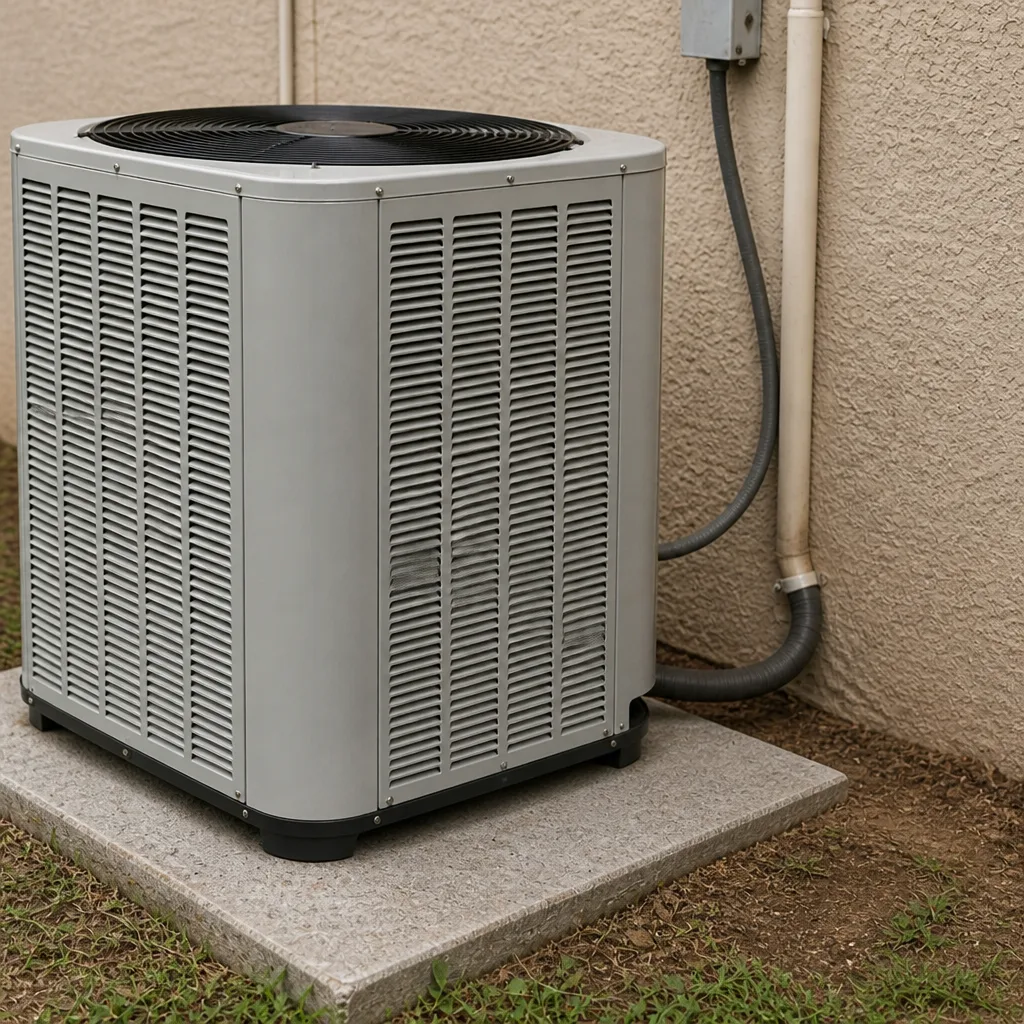
- Keep the outdoor unit clear. Trim vegetation back, remove debris from the top and sides, and confirm the pad is level and unobstructed.
- Check the thermostat and filter grilles. Confirm settings and that return grilles aren’t blocked by furniture or drapes.
Requires a licensed technician
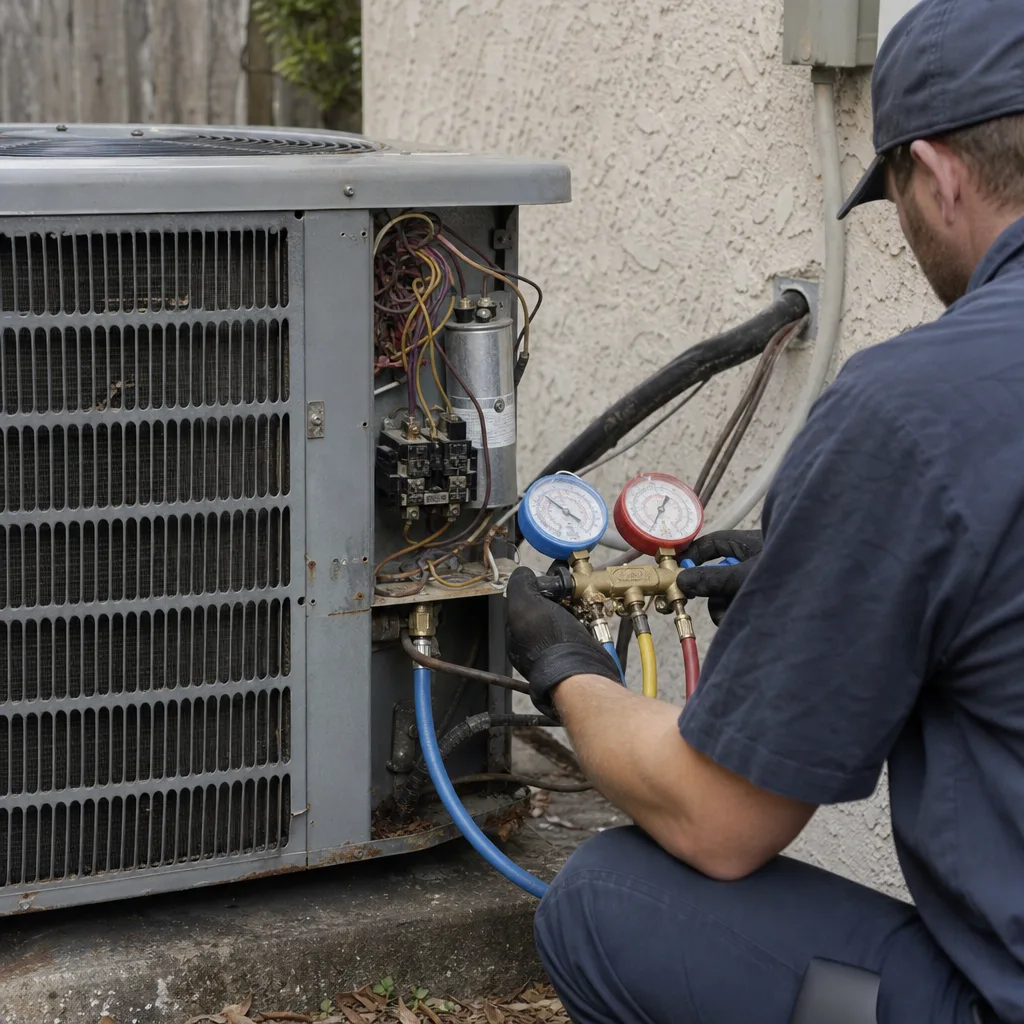
- Refrigerant checks, charging, or any work on the sealed system
- Electrical component testing or replacement (capacitors, contactors, boards)
- Evaporator coil cleaning behind sealed panels
- Compressor or blower motor diagnosis and repair
- Any gas-related work on a furnace (safety-critical, always professional)
On the electrical and refrigerant side, the risk is real: capacitors hold a charge and refrigerant systems operate under pressure. If a task on your checklist requires opening a panel or a gauge, it’s a technician’s job.
Brand-Specific Maintenance Quirks
One of the reasons single-brand shops miss things is that different manufacturers design service access, drain configurations, and control boards differently. We service nine major residential brands – Carrier, Trane, Lennox, Goodman, Rheem, York, Daikin, Bryant, and American Standard – and knowing where each hides its weak points is part of an accurate inspection. A few examples:
- Carrier and Bryant (same corporate family) share many air-handler designs where the condensate trap and drain pan access differ from the competition. Knowing the layout shortens a drain inspection and reduces the chance a secondary line gets overlooked.
- Trane units are generally built for service access, but certain air-handler models place the float switch where a homeowner will never see it. A technician inspection includes confirming it actually trips.
- Lennox and Rheem vary widely by model year in control-board and blower design, so a proper check depends on confirming the exact model rather than assuming.
- Goodman is common in value-oriented installs and often has straightforward drain routing, but coil cleanliness still needs professional cleaning on the same accelerated Lehigh Acres schedule.
The practical point: a maintenance visit should start with identifying your exact equipment and following its service requirements, not a generic script. If you want to talk through your system, a quick call to our AC repair team can confirm we work on your brand.
What to Check Before You Call
A short, safe pre-call checklist saves time and sometimes a service trip. Run through these before you dial:
- Check the thermostat. Is it in cool mode, set lower than room temperature, and powered? Fresh batteries fix a surprising number of “no cooling” reports.
- Check the filter. A heavily clogged filter can ice the coil and stop cooling.
- Check the breaker. Confirm the indoor air-handler breaker and the outdoor disconnect are both on. Do not open panels or reset tripped breakers repeatedly – if it trips again, stop and call.
- Look at the condensate pan and float switch. Water in the pan or a float switch that’s tripped will shut the system down. If the pan is full, clear the drain or call.
- Confirm the outdoor unit is running. Listen for the compressor and fan. If the fan runs but the air is warm, that’s a technician job.
- Note the model number and symptoms. The exact model and what you observed help us diagnose faster.
If any of the above points to something on the technician side of the line, stop and call. Repairs on the sealed system or electrical board aren’t DIY territory.
Common Mistakes to Avoid
- Following a “before summer” schedule only. In Lehigh Acres, there’s no single pre-season. Maintenance here is a rolling cycle, and a homeowner who does one tune-up a year is likely under-maintaining a system that runs nearly twelve months.
- Ignoring the condensate system until it overflows. The float switch and secondary line are there to protect your home, not to be tested only after a ceiling stain appears. Check the primary line monthly during cooling season.
- Washing the evaporator coil yourself. Evaporator coils sit behind sealed panels; poking around there bends fins and can damage the system. Outdoor coil rinses are fine, indoor coil cleaning is not a homeowner job.
- Assuming the manufacturer’s annual coil interval is enough. Local humidity and continuous runtime push the realistic evaporator cleaning interval closer to every six to twelve months in many Lehigh Acres homes.
- Letting a filter go “until it looks bad.” By the time a filter looks heavily soiled, airflow and coil icing problems may already be starting. Change it on the calendar, not on appearance.
- Skipping the float switch test. A float switch that no longer trips offers no protection. Confirm it works each quarter.
- Calling a generalist for a brand-specific problem. A tech who’s only seen one brand’s layout may miss a drain or float quirk. We cover Carrier, Trane, Lennox, Goodman, Rheem, York, Daikin, Bryant, and American Standard so we can work with the system you own.
When to Call a Professional
Call a professional when the system won’t hold temperature, short-cycles, blows warm air with the outdoor unit running, shows standing water in the pan or around the air handler, freezes up, trips a breaker repeatedly, or makes unusual noises. Also call if you smell gas at a furnace, if a float switch keeps tripping, or if anything on the checklist requires opening a panel or touching refrigerant. Our technicians have up to 14 years of experience and are trained on nine major brands, so we can handle Carrier, Trane, Lennox, Goodman, Rheem, York, Daikin, Bryant, and American Standard equipment. We answer 24/7 and offer free estimates. AC Repair Lehigh Acres offers free estimates in Lehigh Acres – call (866) 389-4593. Fast dispatch from 7am to 7pm, Sunday through Friday.
Frequently Asked Questions
Every 30 to 60 days year-round, and more often if you have pets, heavy dust, or nearby construction. Because the system runs nearly year-round in Florida, filter changes happen more frequently than in temperate climates. On the calendar, not on how the filter looks. Call (866) 389-4593 if you have questions about what filter your system uses.
At least once a year, and we recommend planning it for the cooler stretch from December into February. Because there’s no real off-season, some homes with pets or heavy pollen benefit from a second inspection and coil cleaning during the year. Call (866) 389-4593 to schedule a free estimate.
It’s a safety switch that shuts the system off if the drain pan fills with water. In a humid, nearly year-round cooling climate, it’s the main protection against water damage inside your walls. Test it quarterly by lifting it and confirming the system stops. Call (866) 389-4593 if it won’t trip.
Often yes, if the line is flexible and accessible from the outdoor end and has no trap or float in the way. Use a wet/dry vacuum or a gentle flush. Never use a wire to poke through a trap or the air-handler side. If in doubt, call (866) 389-4593.
More often than the manufacturer’s generic annual guidance suggests, frequently every six to twelve months for the evaporator in Lehigh Acres conditions. Continuous runtime and humidity accelerate buildup. Coil cleaning is a technician task – call (866) 389-4593 to have it assessed.
We service Carrier, Trane, Lennox, Goodman, Rheem, York, Daikin, Bryant, and American Standard. That covers the large majority of systems in Lehigh Acres homes, so we work with the equipment you already own. Call (866) 389-4593 to confirm your model.
It depends on age, repair history, refrigerant type, and whether the fix is a minor component or a compressor or coil. Our approach is repair-first: diagnose honestly, recommend a fix before a replacement, and give you a written estimate either way. If replacement is the right call, our AC installation team handles the full job. Call (866) 389-4593 for a free estimate.
The Bottom Line
Lehigh Acres’ near-twelve-month cooling season rewrites the standard AC maintenance checklist. The priorities shift: filter every 30 to 60 days, check the condensate drain monthly during cooling season, test the float switch quarterly, and schedule coil cleaning and a professional inspection once a year – ideally in the cool December-to-February window. Know the line between safe DIY tasks and jobs that need a licensed technician, and respect your specific brand’s design quirks. A system that runs year-round needs year-round attention, not a single spring tune-up. If you’d rather have it checked by specialists who know Carrier, Trane, Lennox, Goodman, Rheem, York, Daikin, Bryant, and American Standard, we’re here to help.
Have a maintenance question or a system that isn’t keeping up? Call (866) 389-4593 for a free estimate. We answer 24/7. Fast dispatch from 7am to 7pm, Sunday through Friday. Our HVAC-only focus means every call we take is about your heating and cooling, and we work on the brand you already own. Lehigh Acres homeowners can count on honest, repair-first diagnosis – and if replacement ever is the right answer, we handle that too. Explore more about Lehigh Acres and how we serve the area.
Written by the team at AC Repair Lehigh Acres.
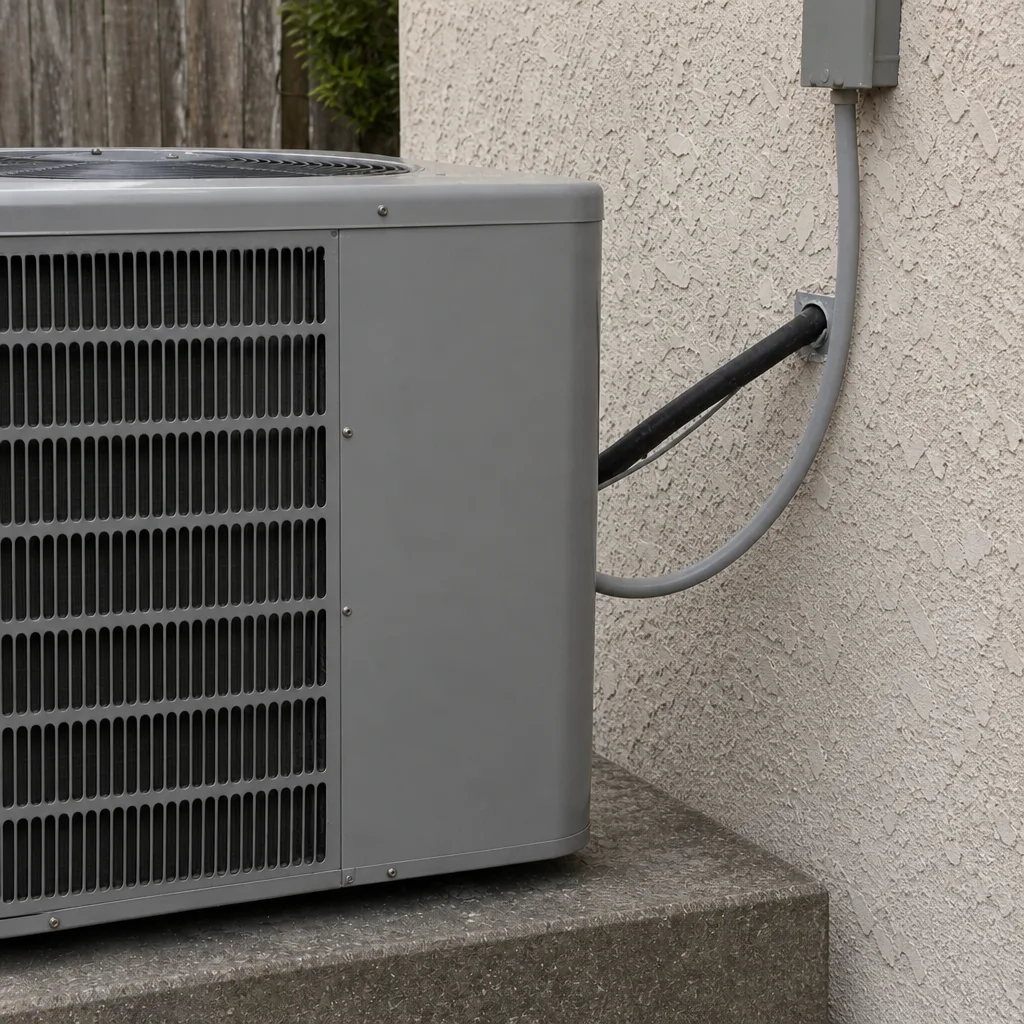
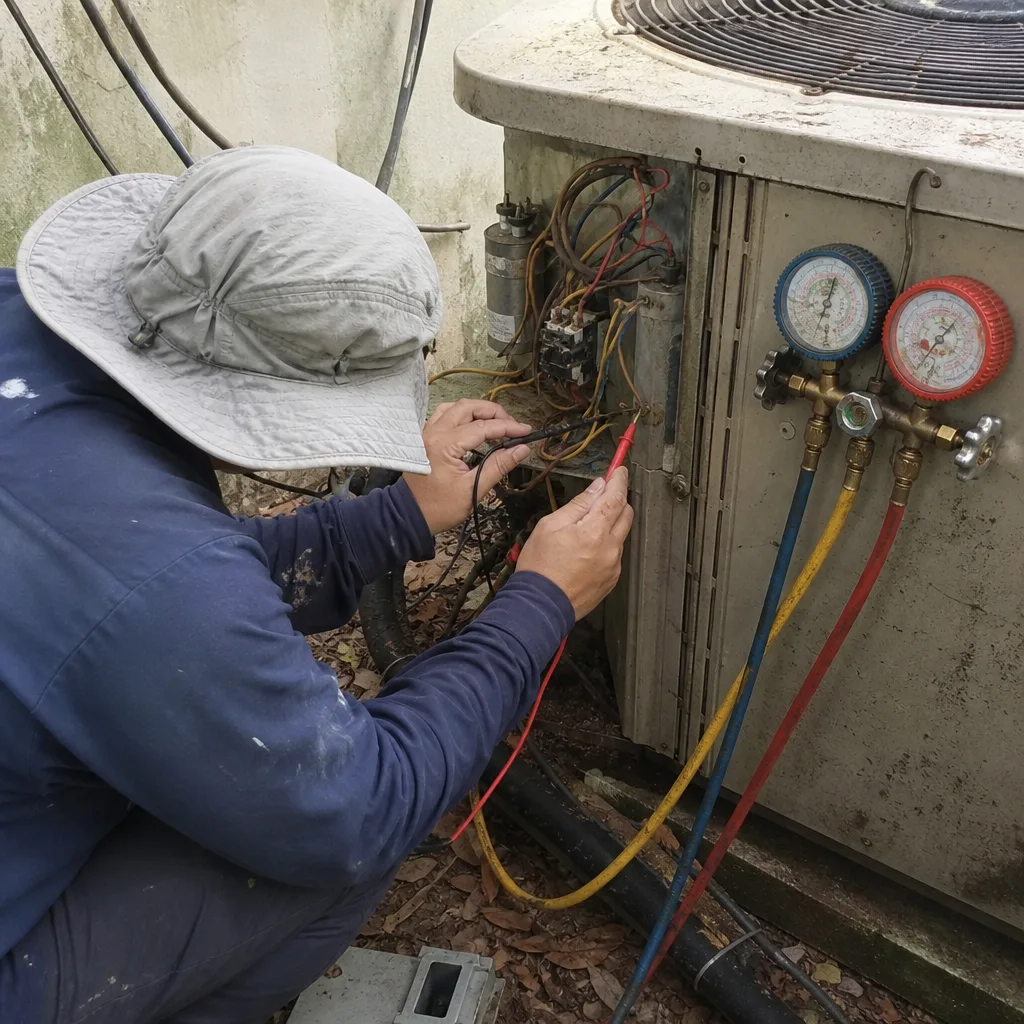
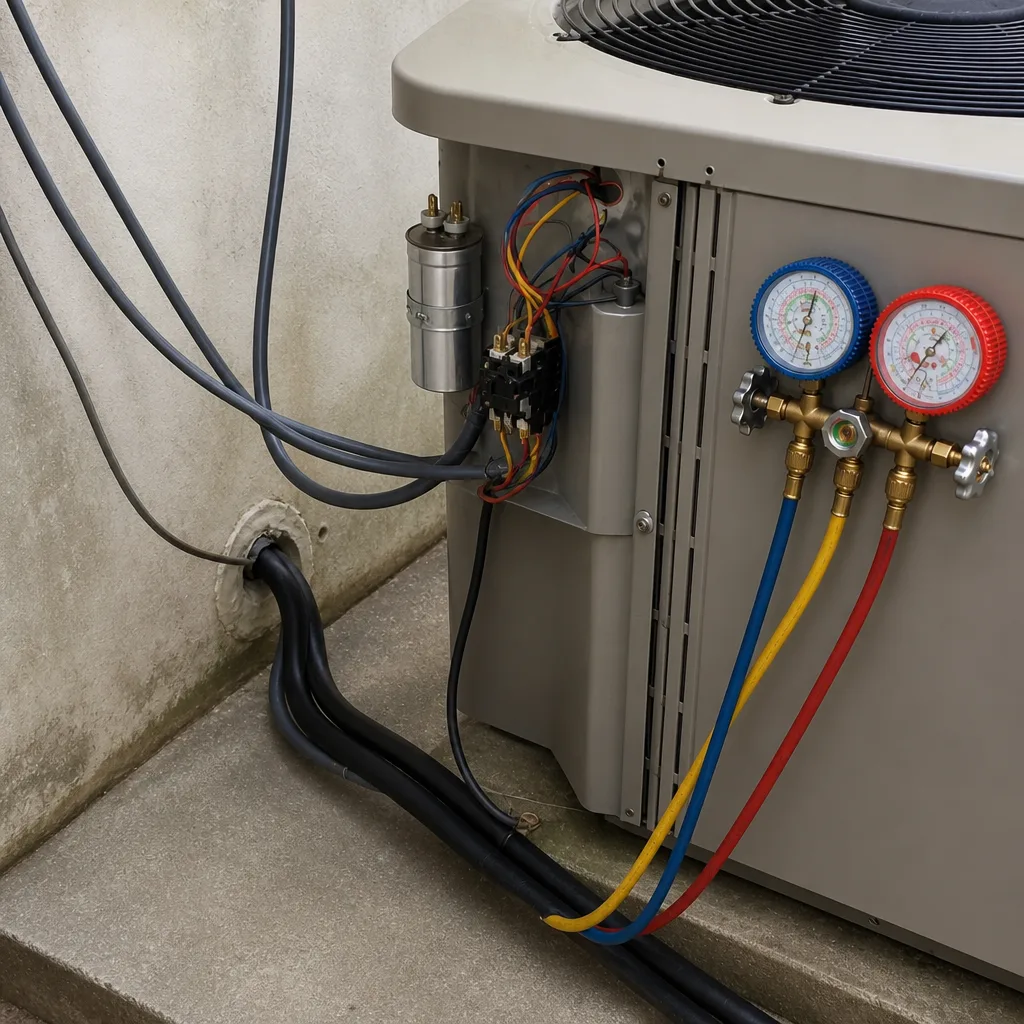
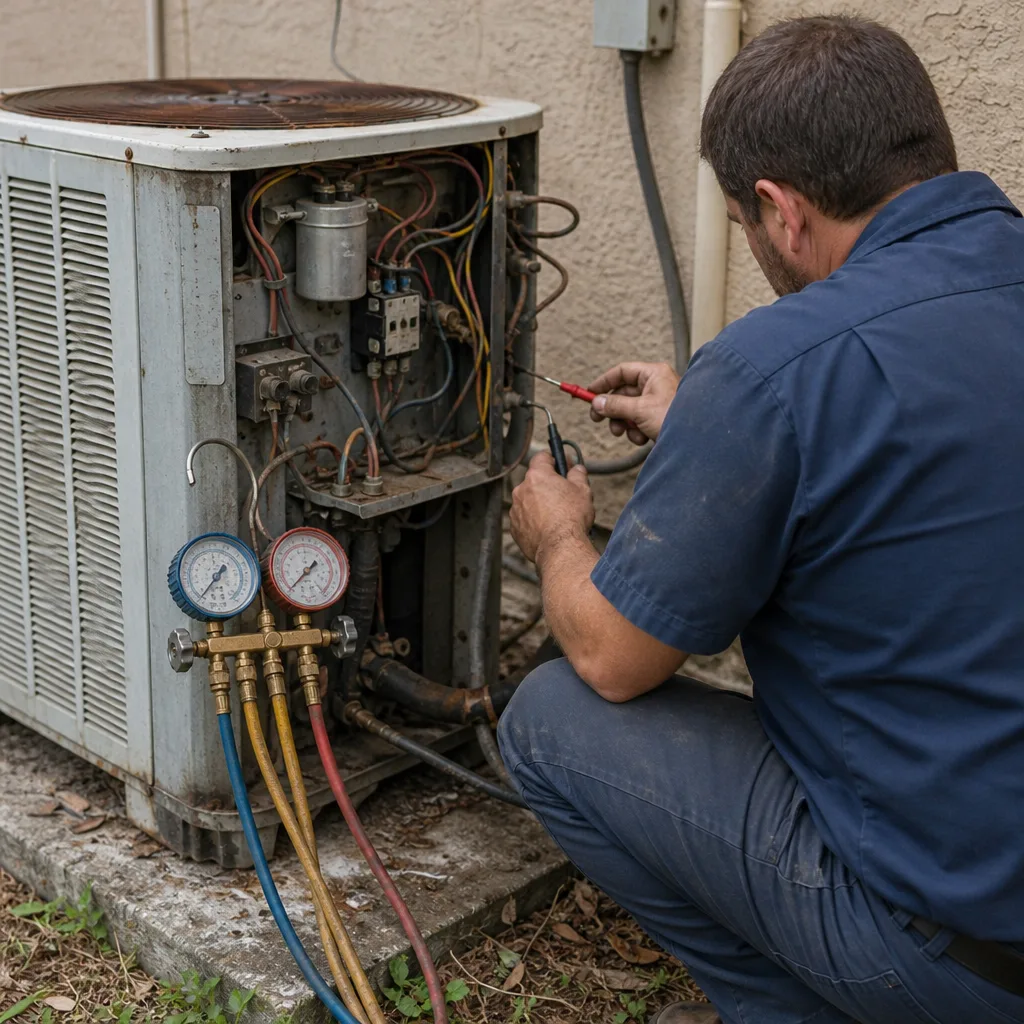
See the difference
 Before
 After
 Before
 After
 Before
 After