
Last updated November 15, 2026
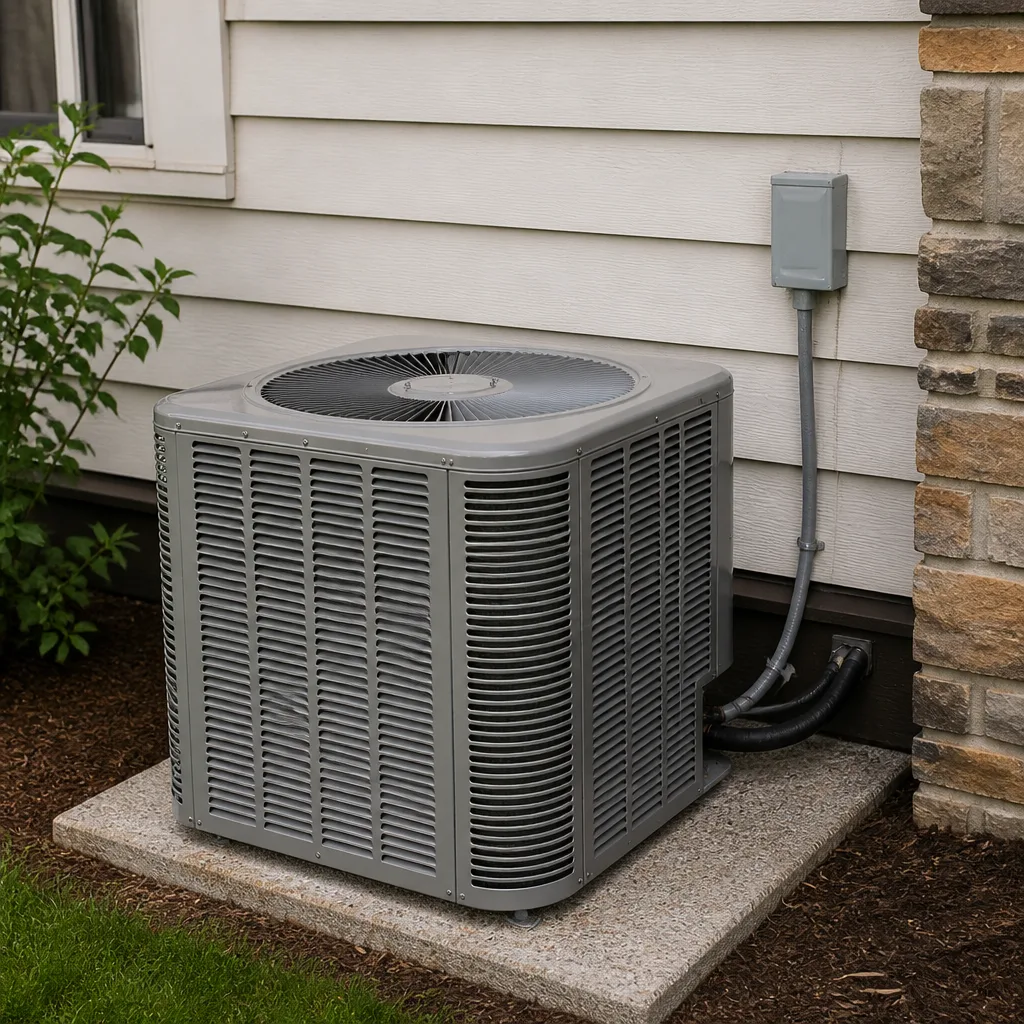 AC repair
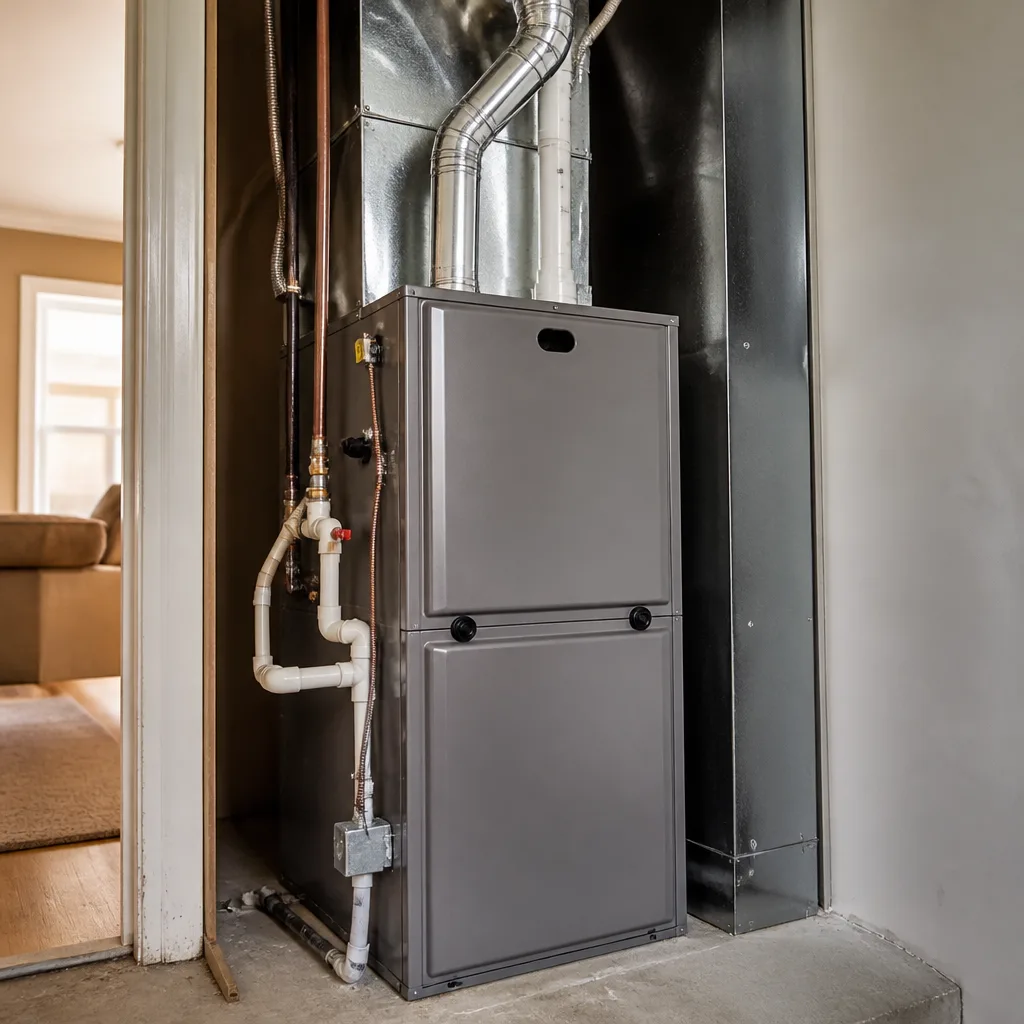 Furnace & heating
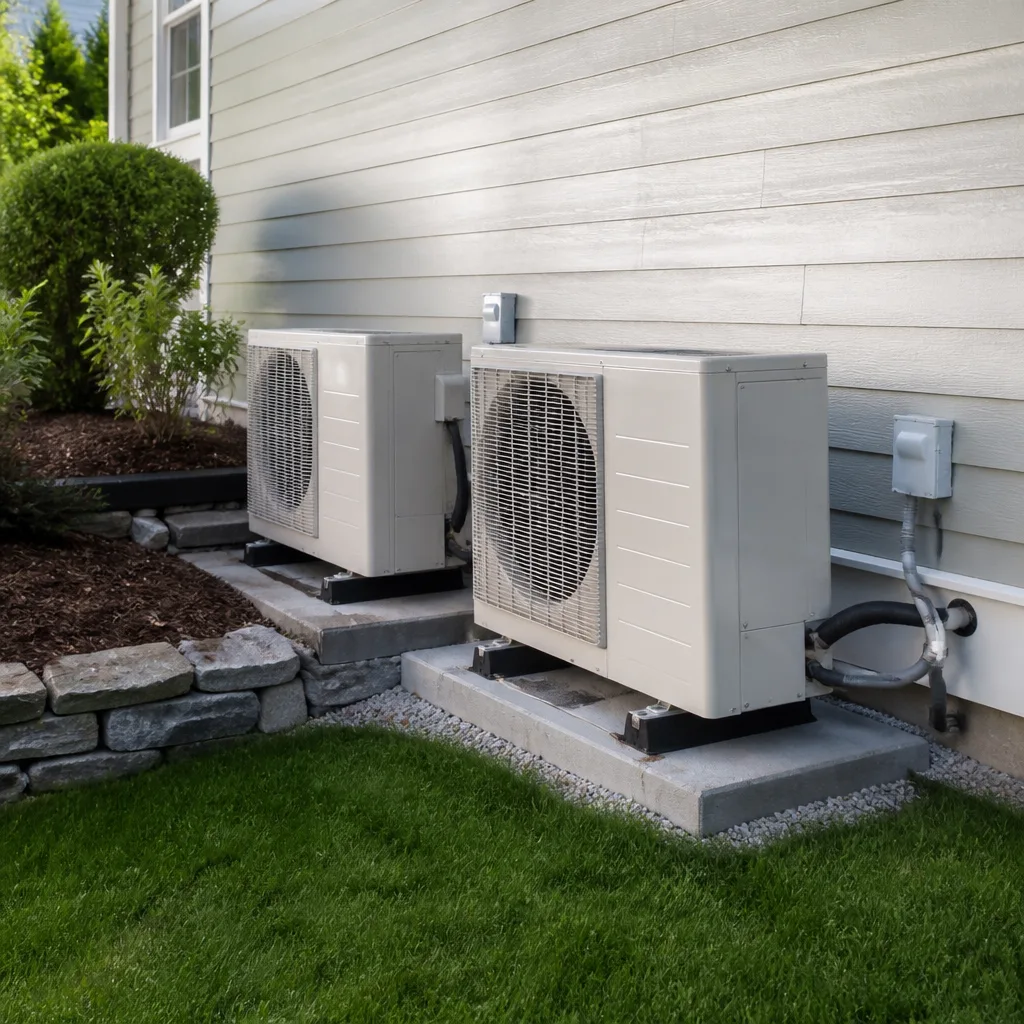 Heat pumps
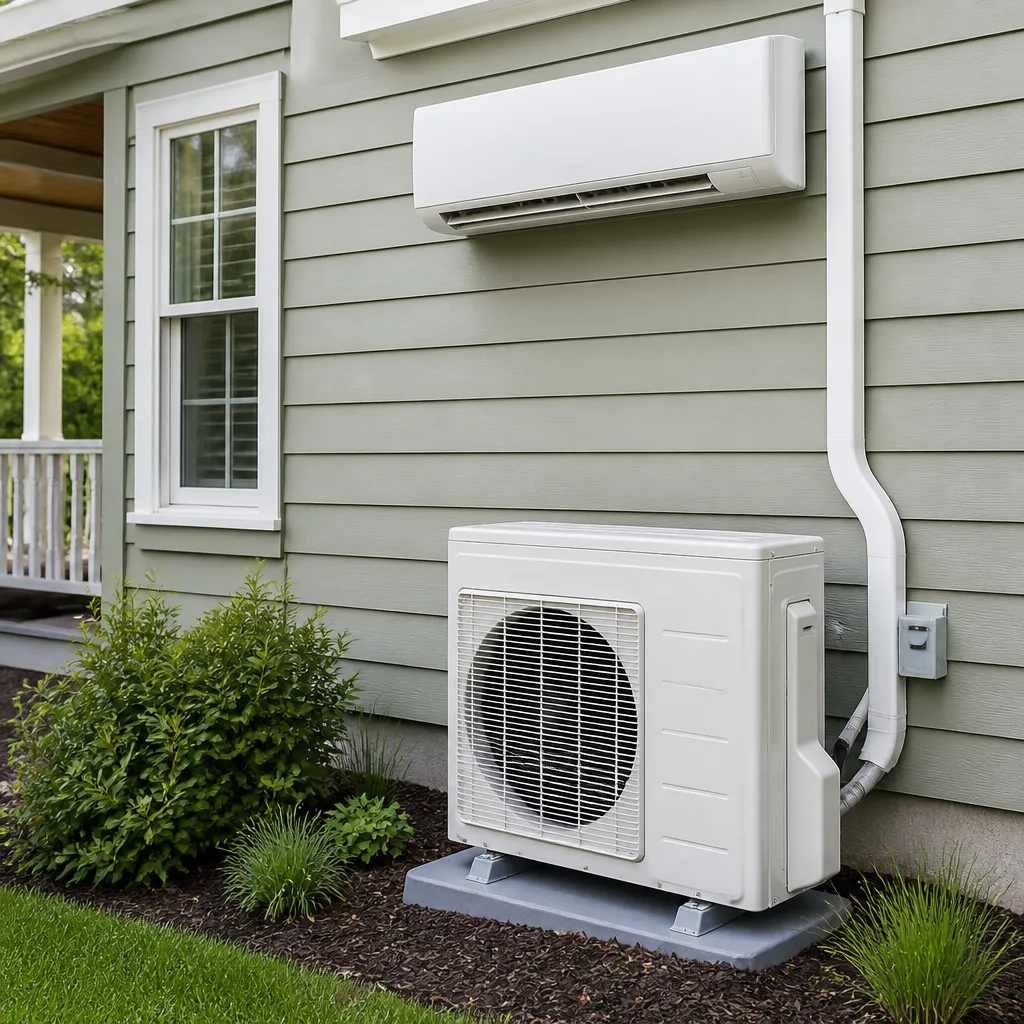 Ductless mini splits
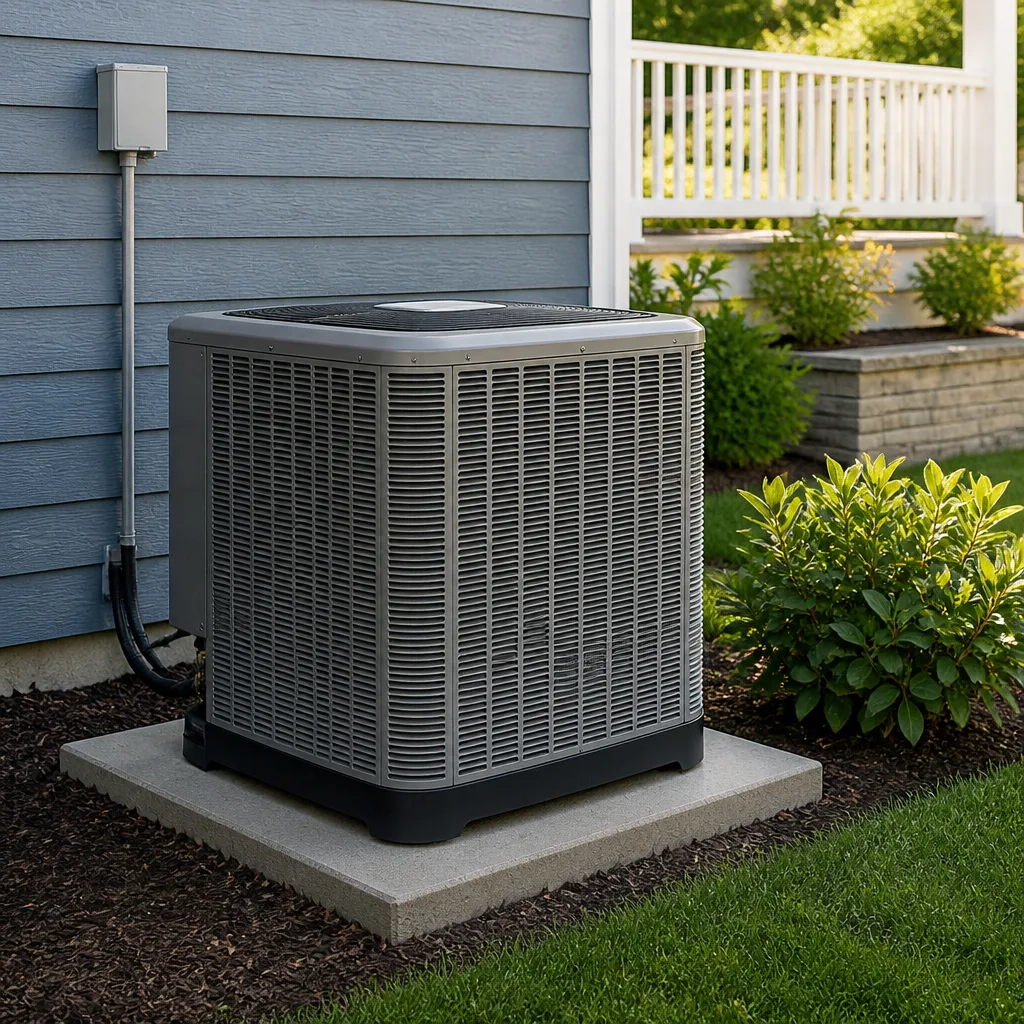 Carrier
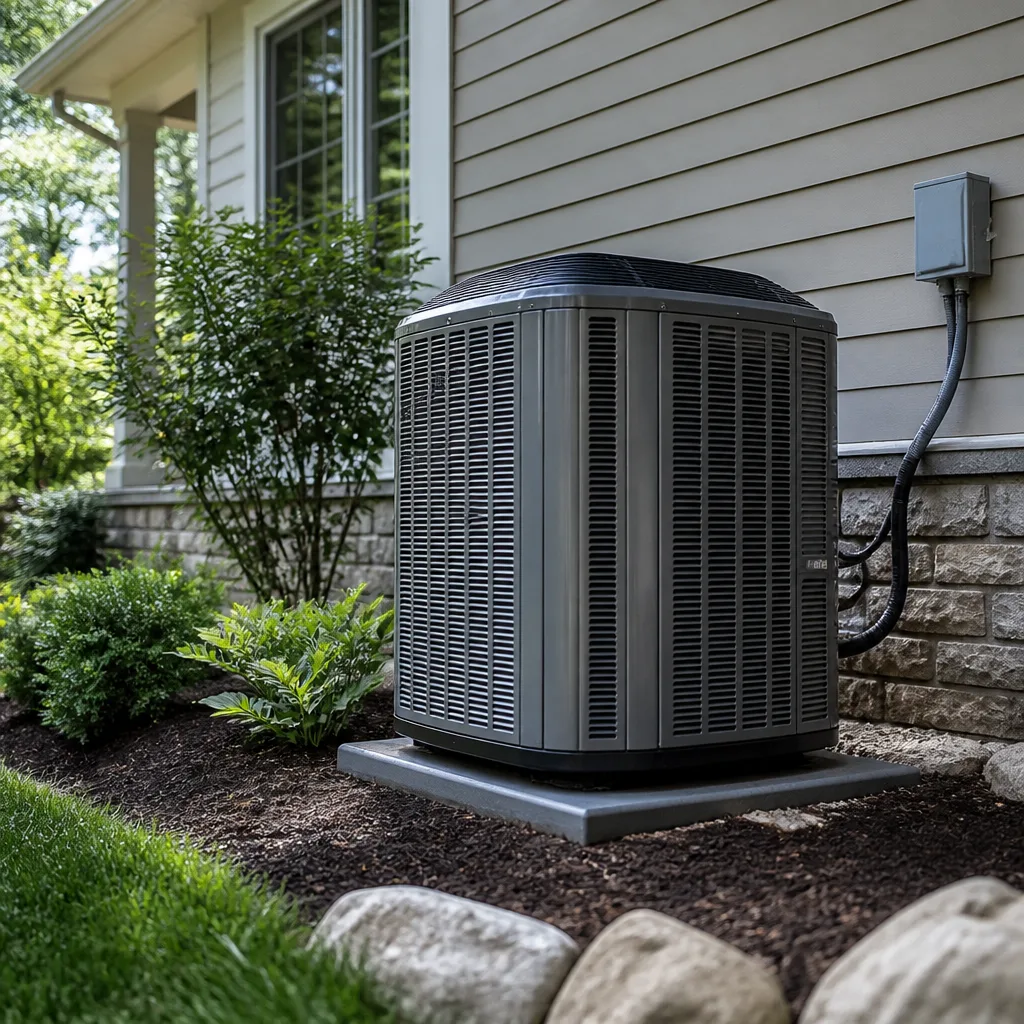 Trane
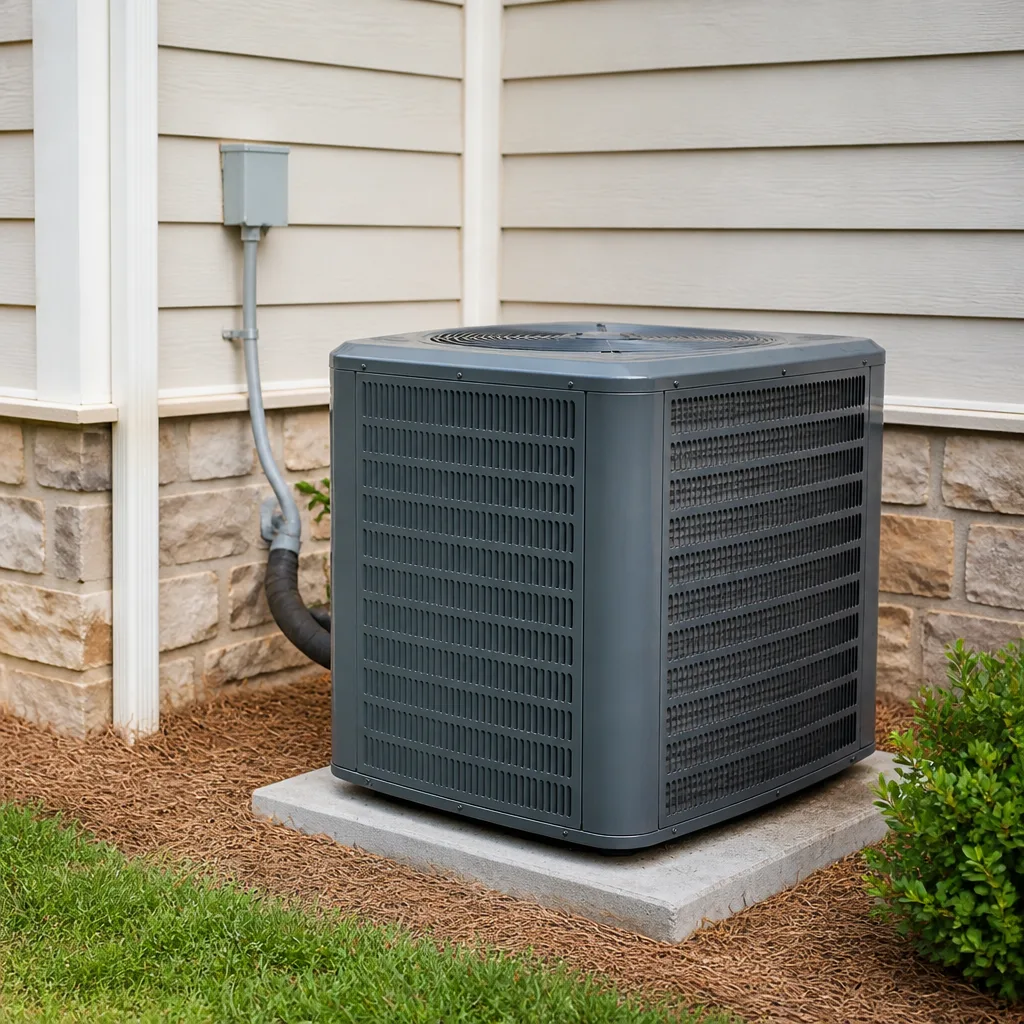 Goodman
Seasonal tune-up and full diagnostic on your Carrier, Trane, or Goodman system - readings shown to you before any repair is proposed
Diagnosis first, numbers second - you approve the repair price before a single part goes in.
Get your free estimateThe Complete AC Repair Guide for Lehigh Acres Homeowners
Most AC repair advice you’ll find online was written for a house in Ohio. It assumes a system that runs hard for three months, rests for nine, and lives in a basement. Lehigh Acres doesn’t work that way. Here, an air conditioner is a year-round mechanical load, and the things that actually break it down fastest aren’t the ones national guides talk about. It’s the humidity that never quite lets up, the well water feeding your outdoor unit, and the way a small refrigerant leak turns into a compressor failure over one long hot season. This guide is built around how cooling systems really behave in Lehigh Acres: what fails first, what it costs to fix, when repair makes sense and when it doesn’t, and which rules apply to the work.
Quick Answer
AC repair in Lehigh Acres usually means one of four things: a refrigerant leak, a failed capacitor or contactor, a clogged condensate drain, or a condenser coil packed with scale and debris. Because the local climate keeps systems running most of the year, small faults compound fast, so a proper diagnosis matters more here than in cooler markets. Most homeowners want to know whether to repair or replace; the honest answer depends on system age, refrigerant type, and whether the failure is isolated or systemic, not on what a salesperson would prefer to sell.
Styles & brands we work with
- AC repair
- Furnace & heating
- Heat pumps
- Ductless mini splits
- Carrier
- Trane
- Goodman
Table of Contents
- Why Lehigh Acres Humidity Breaks AC Systems Faster Than Heat Alone
- Hard Water, Scale, and the Slow Efficiency Loss Nobody Notices
- What Your System Is Telling You: Symptom-to-Cause Guide
- Repair or Replace? A Brand-Agnostic Decision Tree
- Permits and Florida Refrigerant Rules in Lee County
- What AC Repair Costs in Southwest Florida
- Brand Fluency: Why It Matters for Your Specific System
- The Maintenance That Actually Prevents Breakdowns Here
Why Lehigh Acres Humidity Breaks AC Systems Faster Than Heat Alone
Heat wears a system out. Humidity wears it out from the inside. That’s the distinction that matters in Lehigh Acres, where the air holds moisture most of the year and your air handler is working as a dehumidifier whether you asked it to or not. Every time the blower pulls humid air across a cold evaporator coil, condensation forms. That’s normal. What isn’t normal is how much of it forms, and where it goes.
The moisture that drips off the coil collects in a drain pan and leaves through a condensate line. In a dry climate, that line sees modest flow. Here it carries a steady stream, and that stream is a perfect environment for biological growth. Algae and biofilm build up inside the line, narrow it, and eventually block it. When the line clogs, water backs up into the pan, trips the float switch, and shuts the system down. If the float switch fails or the pan cracks, water reaches the ceiling below.
Humidity also accelerates coil corrosion. Moisture combined with airborne contaminants and the acids that form on a wet coil surface pit the aluminum fins over time. A coil that might last fifteen years in a dry market can develop leaks earlier here. That’s one reason we treat coil condition as a core diagnostic point on every call, not an afterthought.
- Clogged drain lines are among the most common no-cooling causes in Lehigh Acres homes, and they’re preventable with periodic flushing.
- Corroded evaporator coils develop refrigerant leaks that show up as weak cooling and rising electric bills before anything fails outright.
- Mold and biological growth on the indoor coil and in the drain pan reduce airflow and air quality, and the humidity here feeds them constantly.
- Oversized systems cool the air before they’ve removed enough moisture, leaving homes clammy at the temperature setpoint. Correct sizing matters more in a humid climate than a hot-dry one.
If your system runs but the house feels sticky, that’s a humidity problem masquerading as a cooling problem. Our AC repair Lehigh Acres diagnostics start with airflow and moisture removal, not just supply-air temperature.
Hard Water, Scale, and the Slow Efficiency Loss Nobody Notices
The water feeding homes in Lehigh Acres often comes from private wells, and well water here tends to run hard. That matters for your AC more than most homeowners realize. When the outdoor condenser coil gets wet, either from rain or from a sprinkler, the minerals in that water stay behind as the moisture evaporates. Calcium and magnesium deposits build up on the fins. Over a few seasons, that scale insulates the coil.
An insulated coil can’t shed heat. The system compensates by running longer, drawing more current, and working the compressor harder. You won’t notice a dramatic failure. You’ll notice the electric bill creeping up, cooling that feels slightly weaker each summer, and a compressor that’s aged faster than its hours would suggest. It’s the quiet kind of damage, and it’s the reason we check condenser coil condition on every Lehigh Acres service call.
There’s a related issue with irrigation. Sprinkler heads that spray the outdoor unit deposit minerals directly onto the coil and cabinet, and the overspray keeps the area around the pad saturated. Keeping sprinklers off the condenser and trimming vegetation back gives the unit room to breathe.
- Scale on the condenser coil reduces heat rejection and raises compressor load.
- Mineral deposits on fan blades unbalance the fan, causing vibration and bearing wear.
- Wet, oversprayed pads corrode the cabinet base and attract pests.
- Hard water in a neglected drain line combines with biofilm to clog faster than soft water would.
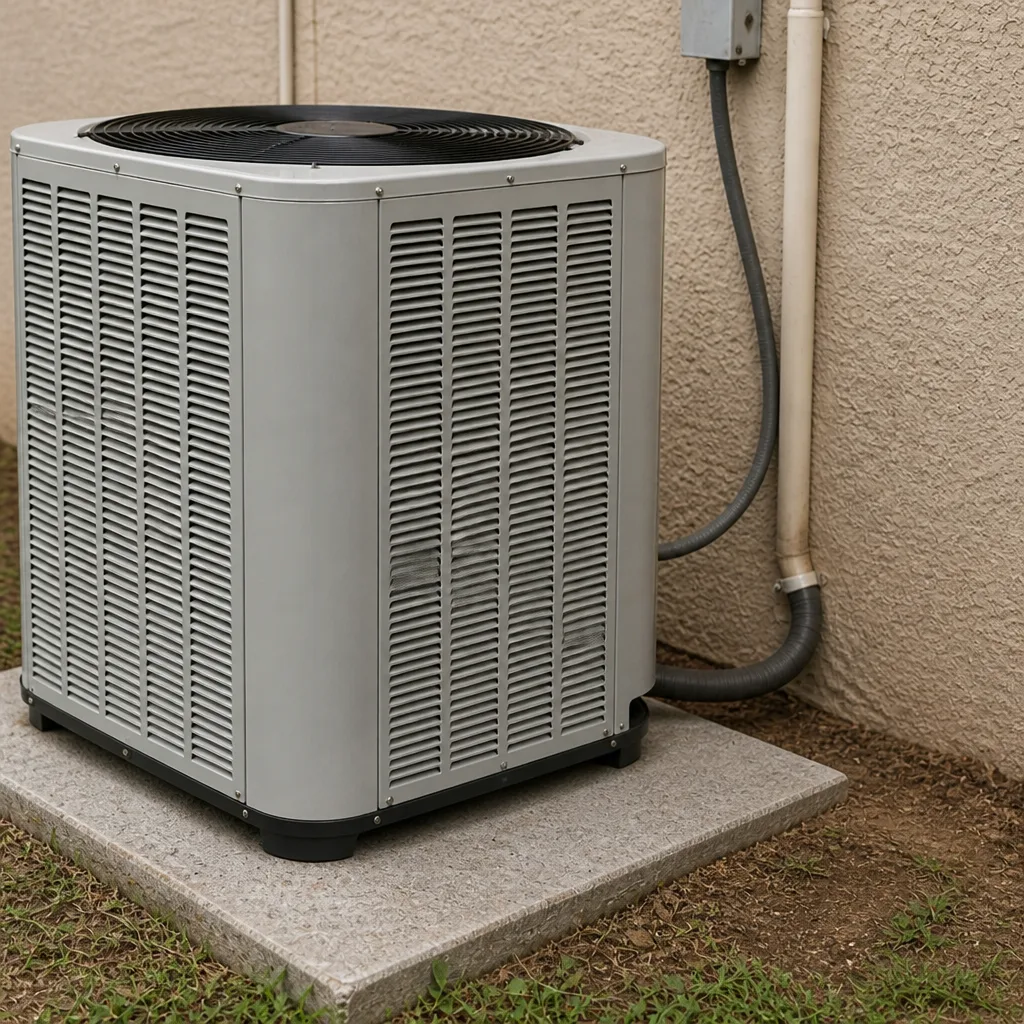
A coil cleaning done properly, with the right cleaner and a careful rinse, restores most of that lost capacity. It’s one of the highest-value services for a Lehigh Acres home, and it’s part of a thorough AC repair visit rather than an add-on.
What Your System Is Telling You: Symptom-to-Cause Guide
Homeowners often describe the same handful of symptoms, and each points toward a narrow set of causes. Here’s how we work through them, in the order we’d check them on a service call.
- System runs but doesn’t cool. Check the air filter first, then the outdoor unit. A dirty filter chokes airflow; a condenser with a failed capacitor or a tripped breaker won’t start. Low refrigerant is the other common cause.
- System won’t turn on at all. Look at the breaker and the thermostat batteries before anything else. If both are fine, suspect the contactor, the transformer, or a safety switch that’s tripped because of a drain overflow.
- Water on the floor or ceiling stain near the air handler. Almost always a clogged condensate line or a failed drain pan. Shut the system off to stop further water damage and get it looked at.
- Ice on the indoor coil or the refrigerant line. This means restricted airflow or low refrigerant. Running the system this way can damage the compressor, so turn it off and call.
- Short cycling (on and off every few minutes). Could be an oversized system, a failing thermostat, or a refrigerant charge that’s off. Worth diagnosing properly rather than guessing.
- Loud banging, rattling, or squealing. A loose fan blade, a failing blower bearing, or debris in the cabinet. Stop the system and get it inspected.
- Musty smell when the AC runs. Biological growth on the indoor coil or in the ductwork near the air handler, common in humid climates.
One caveat: refrigerant work isn’t a homeowner job. Handling refrigerant requires EPA certification, and the pressures involved can cause serious injury. If you suspect a leak, that’s a call to a technician, not a weekend project.
Repair or Replace? A Brand-Agnostic Decision Tree
This is the question every homeowner eventually asks, and the honest answer doesn’t come from a sales sheet. It comes from the system in front of you. We diagnose what’s actually wrong before we recommend anything, and we work on the brand you already own rather than steering you toward a preferred line.
Start with the failure itself. An isolated component failure, like a capacitor, contactor, blower motor, or drain issue, is almost always a repair. A failed compressor on a system that’s otherwise healthy is a judgment call. A leaking evaporator coil on an older system running an obsolete refrigerant is often the point where replacement makes more financial sense than repair.
Then look at refrigerant type. Systems using R-22 are past their production window and refrigerant for them is increasingly scarce and expensive. If your R-22 system has a significant leak, repair can cost as much as a meaningful portion of a new system. Systems using R-410A are still serviceable, and R-454B and other newer refrigerants are the direction new equipment is heading. If you’re weighing a replacement, our AC installation team walks you through refrigerant options and system sizing without pressure.
Finally, look at the whole picture: age, repair history, coil condition, and how the system has performed through past summers. A system that’s had three repairs in two years and a coil that’s pitted is telling you something.
- Repair if: the failure is a single component, the system is under ten years old, refrigerant is R-410A or newer, and the coils are in good shape.
- Consider replacement if: the compressor failed on an older system, the evaporator coil is leaking, the system uses R-22, or repeated repairs are stacking up.
- Replace if: the system has had multiple major failures, the outdoor unit is failing structurally, or the cost of repair approaches a large share of new system cost.
For a deeper look at the Lehigh Acres market and how we approach replacements, see our Lehigh Acres service overview.
Permits and Florida Refrigerant Rules in Lee County
Florida treats refrigerant work seriously. Any technician who handles refrigerant must hold EPA Section 608 certification, and that’s non-negotiable. When you hire anyone to work on your system’s refrigerant circuit, ask about certification. The rules exist because improper handling releases ozone-depleting and high-global-warming gases and because incorrect charging damages equipment.
Replacing equipment is a different category from repairing it. A like-for-like repair generally doesn’t require a permit. A full system replacement, however, typically does, and Lee County’s building department is the authority to check with for the specific requirements of your project. Permits are also how the work gets inspected, which protects you if you ever sell the home. A contractor who wants to skip the permit is telling you something about how they operate.
Refrigerant recovery is another area where the rules matter. Used refrigerant must be recovered, not vented. Reputable technicians carry recovery equipment and follow the federal requirements. There’s no shortcut here, and there shouldn’t be.
- EPA Section 608 certification is required to handle refrigerant. Ask before anyone touches your system.
- Like-for-like repairs usually don’t need a permit.
- System replacements typically require a permit from Lee County. Confirm with the building department before work starts.
- Refrigerant recovery is mandatory. Venting is illegal and unsafe.
What AC Repair Costs in Southwest Florida
National cost averages don’t reflect what a repair actually costs in Southwest Florida. Labor rates here run higher than the national median, parts availability varies by brand and model, and the mix of repairs is different because the climate stresses systems differently. The ranges below are typical for common repairs in the Lehigh Acres area; the written estimate sets the final price.
- Diagnostic and estimate: Free. We don’t charge a service-call fee to tell you what’s wrong.
- Capacitor or contactor replacement: Typically $150 to $350, including the part and labor.
- Condensate drain clearing and float switch: Typically $125 to $275.
- Blower motor replacement: Typically $400 to $800, depending on motor type and accessibility.
- Condenser fan motor replacement: Typically $350 to $650.
- Refrigerant leak detection and repair: Typically $250 to $700, depending on leak location and access.
- Evaporator coil replacement: Typically $900 to $1,800, depending on coil type and cabinet work.
- Compressor replacement: Typically $1,200 to $2,200, and often the point where replacement makes more sense.
Two things drive the range. First, accessibility: a coil tucked into a tight attic space takes more labor than one with room to work. Second, part availability: common parts for widely installed brands are usually on hand locally, while less common models take longer. Because we service nine of the most widely installed brands, we’re rarely stuck waiting on a part for a system we know.
Brand Fluency: Why It Matters for Your Specific System
When your system breaks, you don’t want a generalist learning your equipment on your dime. You want someone who’s already worked on dozens of that model. We’re certified to service nine of the most widely installed residential HVAC brands: Carrier, Trane, Lennox, Goodman, Rheem, York, Daikin, Bryant, and American Standard. That covers the vast majority of systems in Lehigh Acres homes, and it means the answer to “can you work on my system” is almost always yes.
Brand fluency isn’t marketing language. Each manufacturer designs its equipment a little differently. Controls, coil configurations, refrigerant charging procedures, and diagnostic fault codes vary. A technician who works across all of them reads the system’s behavior more quickly. A technician who only knows one brand may recommend replacing what they don’t understand. Whether it’s your Carrier, your American Standard, your Trane, or your Lennox, the diagnosis starts the same way: what is the system actually doing, and why.
Our technicians have up to 14 years of experience across these brands, and every call is HVAC-only. We don’t do plumbing, electrical work, or general home repair. That focus means faster diagnosis and fewer callbacks.
The Maintenance That Actually Prevents Breakdowns Here
The generic maintenance advice on the internet, change your filter, have it checked once a year, undersells what a Lehigh Acres system needs. Here, the two biggest preventable failure modes are drain line clogs and condenser coil scale. Neither shows up in a visual glance. Both need to be addressed on a schedule.
- Change the filter monthly. With year-round runtime, filters load faster than the “every three months” advice assumes.
- Flush the condensate line seasonally. A technician can do this on a service visit; between visits, a clear drain keeps water from backing up.
- Clean the condenser coil at least annually. In a hard-water area, coil cleaning restores efficiency that scale quietly steals.
- Trim vegetation and keep sprinklers off the unit. Give the condenser at least a couple of feet of clearance on all sides.
- Have the refrigerant charge checked. A slow leak doesn’t announce itself; it shows up as rising bills over months.
- Check the drain pan and float switch. A float switch that’s stuck or a pan with a crack is a water-damage waiting to happen.
When our technicians do a tune-up, they test refrigerant levels and electrical components and check the drain, and you get a written report of what they actually found. Technicians aren’t paid on what they sell, which means the report reads like real findings rather than a sales script.
Common Mistakes to Avoid
- Ignoring a slow leak for a whole season. Low refrigerant causes the compressor to run hot, and a small leak in the spring can take out a compressor by late summer in Lehigh Acres.
- Running the system with ice on the coil. Ice means airflow restriction or low charge. Continuing to run it compounds the damage.
- Skipping the condenser coil cleaning because the outside unit looks fine. Scale buildup is invisible from a glance and directly cuts efficiency.
- Letting a contractor replace a system without a proper diagnosis. A failed capacitor is not a reason for a new system. Get the actual fault identified first.
- Choosing a generalist for brand-specific equipment. A plumber or handyman working on a Carrier or Trane system is learning on your call.
- Skipping the permit on a replacement. Lee County permits protect you at resale and ensure the install gets inspected.
- Letting sprinklers overspray the outdoor unit. In a hard-water area, that deposits minerals directly on the condenser fins.
See the difference
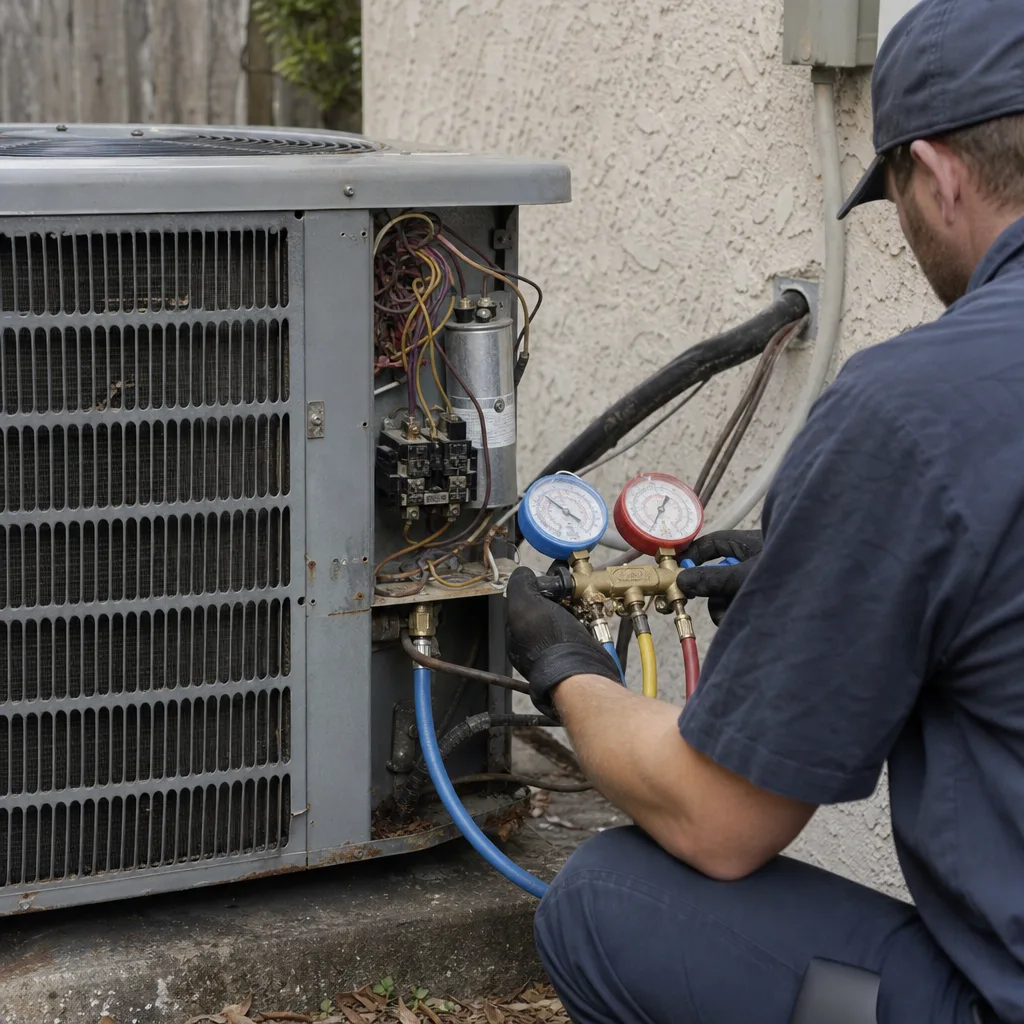 Before
 After
 Before
 After
 Before
 After
When to Call a Professional
Some AC issues are worth a phone call the same day. If the system is running but not cooling and the filter is clean, if ice has formed on the indoor coil or the refrigerant line, if water is pooling near the air handler, or if the system short-cycles or won’t turn on at all, these are signs of a fault that gets worse with runtime. Refrigerant leaks, electrical faults, and compressor problems are never safe to handle yourself. Our technicians are on various brands across Lehigh Acres, and we can diagnose in one visit. AC Repair Lehigh Acres offers free estimates in Lehigh Acres – call (866) 389-4593. We answer 24/7. Fast dispatch from 7am to 7pm, Sunday through Friday.
Frequently Asked Questions
Most common AC repairs in Lehigh Acres run between $125 and $800, with capacitor and contactor replacements toward the low end and blower or fan motor replacements toward the higher end. Coil and compressor work can run higher, typically $900 to $2,200 depending on the part. The written estimate sets the final price, and estimates are free. Call (866) 389-4593 for an exact quote.
Same-day service is often possible on common repairs because our technicians are dispatched Sunday through Friday, 7am to 7pm. If a call comes in outside dispatch hours, it’s booked into the next opening. Call (866) 389-4593 – we answer 24/7.
Repair usually makes sense if the failure is a single component and the system is under ten years old on R-410A or newer refrigerant. Replacement tends to make more sense if the compressor failed on an older system, the evaporator coil is leaking, the system uses R-22, or repairs are stacking up. We diagnose first and recommend based on the system in front of us, not a preferred brand. Call (866) 389-4593 for a free estimate.
The humidity here keeps the evaporator coil wet most of the year, which feeds biological growth inside the condensate line and narrows it faster than in drier climates. Periodic flushing, plus a float switch that actually works, prevents most backups. If the line keeps clogging, a technician can check the pan, the pitch of the line, and the coil condition. Call (866) 389-4593 to schedule.
Yes, system replacements typically require a permit from Lee County. Like-for-like repairs usually don’t. Confirm with the building department for your specific project before work starts. If you’re replacing, our AC installation team can walk you through the permit process. Call (866) 389-4593 for a free estimate.
We service nine of the most widely installed residential brands: Carrier, Trane, Lennox, Goodman, Rheem, York, Daikin, Bryant, and American Standard. That covers the vast majority of systems in Lehigh Acres homes. If you’re not sure whether your system qualifies, call (866) 389-4593 and we’ll confirm.
The Bottom Line
AC repair in Lehigh Acres isn’t the same job it is in a cooler climate. The humidity drives drain clogs and coil corrosion, hard well water scales the condenser, and a system that runs year-round has no off-season to recover. The right repair comes from a proper diagnosis of the actual fault, done by a technician who knows your brand and works on it, not one who learns on your call. Free estimates, honest repair-or-replace guidance, and HVAC-only focus keep the work straightforward.
For a free estimate in Lehigh Acres, call (866) 389-4593. We answer 24/7. Fast dispatch from 7am to 7pm, Sunday through Friday.
Written by the team at AC Repair Lehigh Acres.