
Last updated November 15, 2026
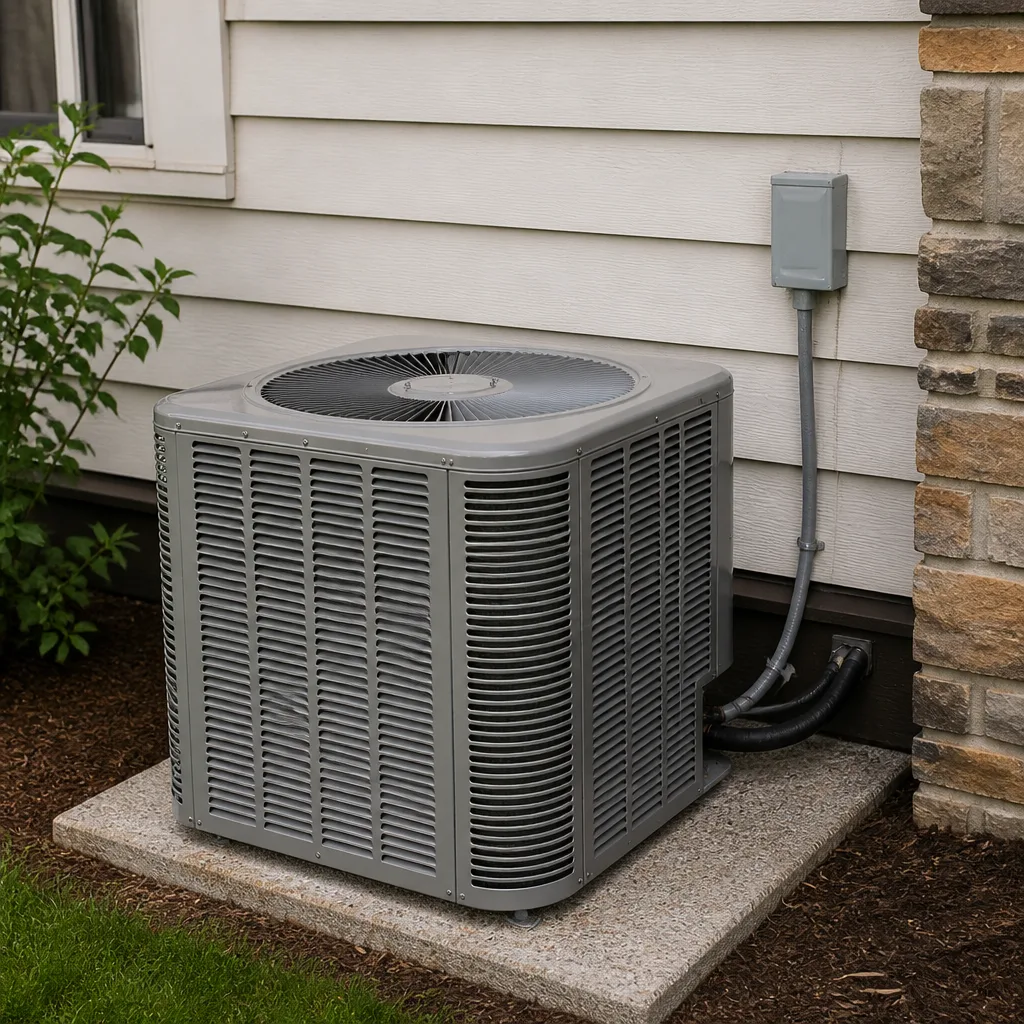 AC repair
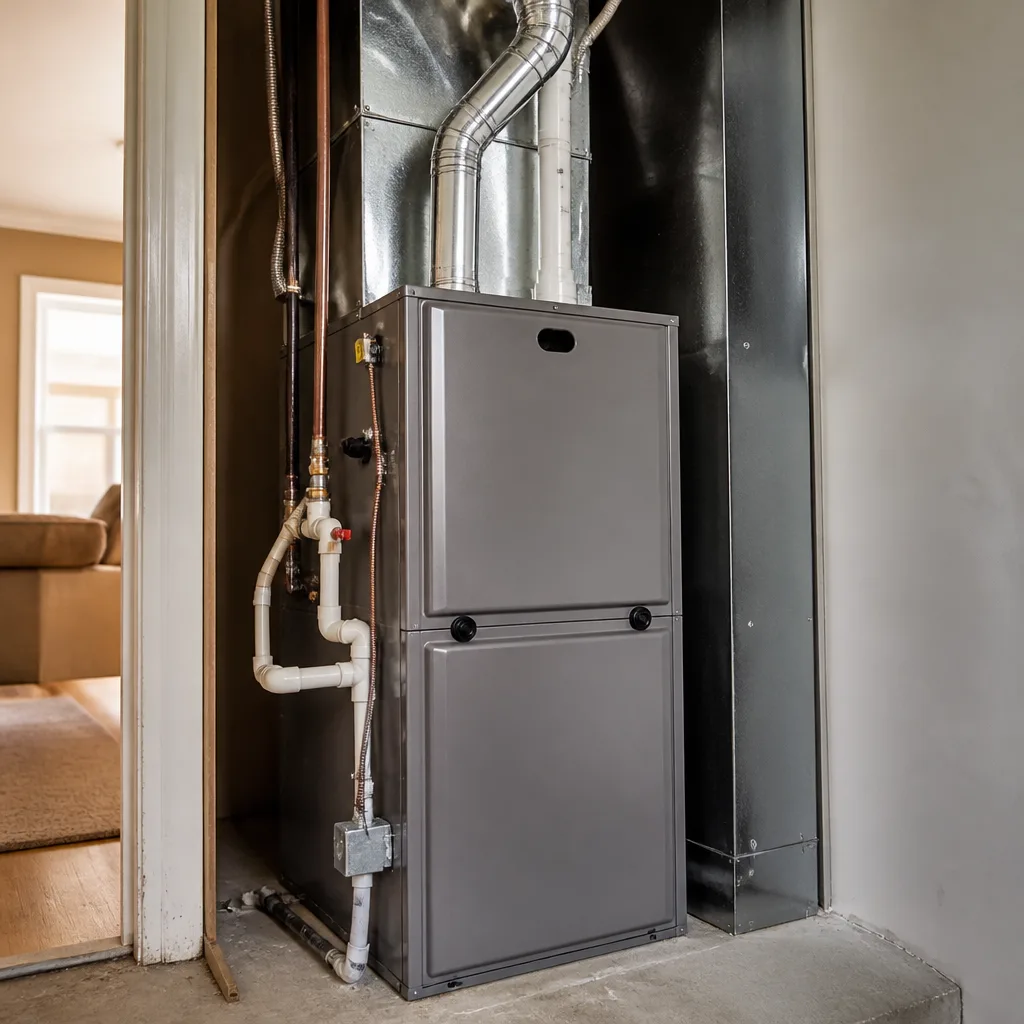 Furnace & heating
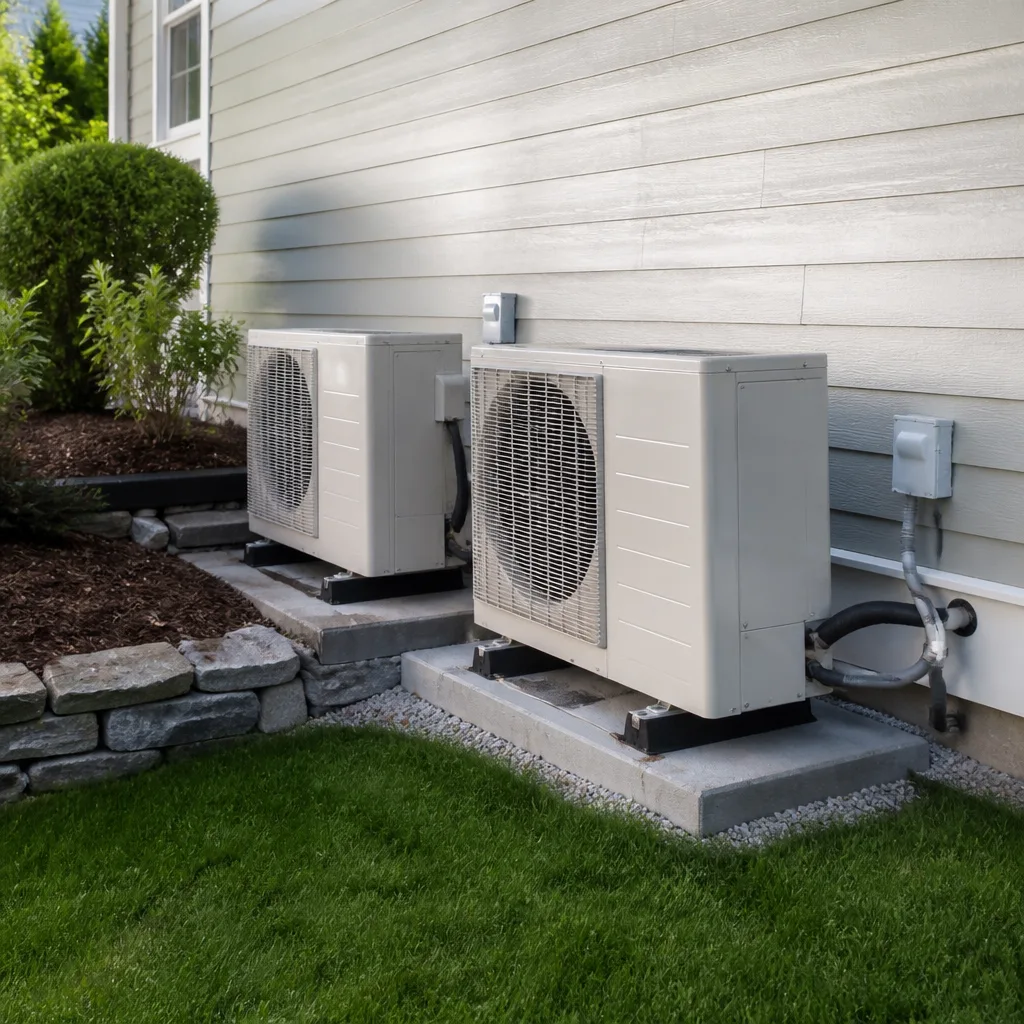 Heat pumps
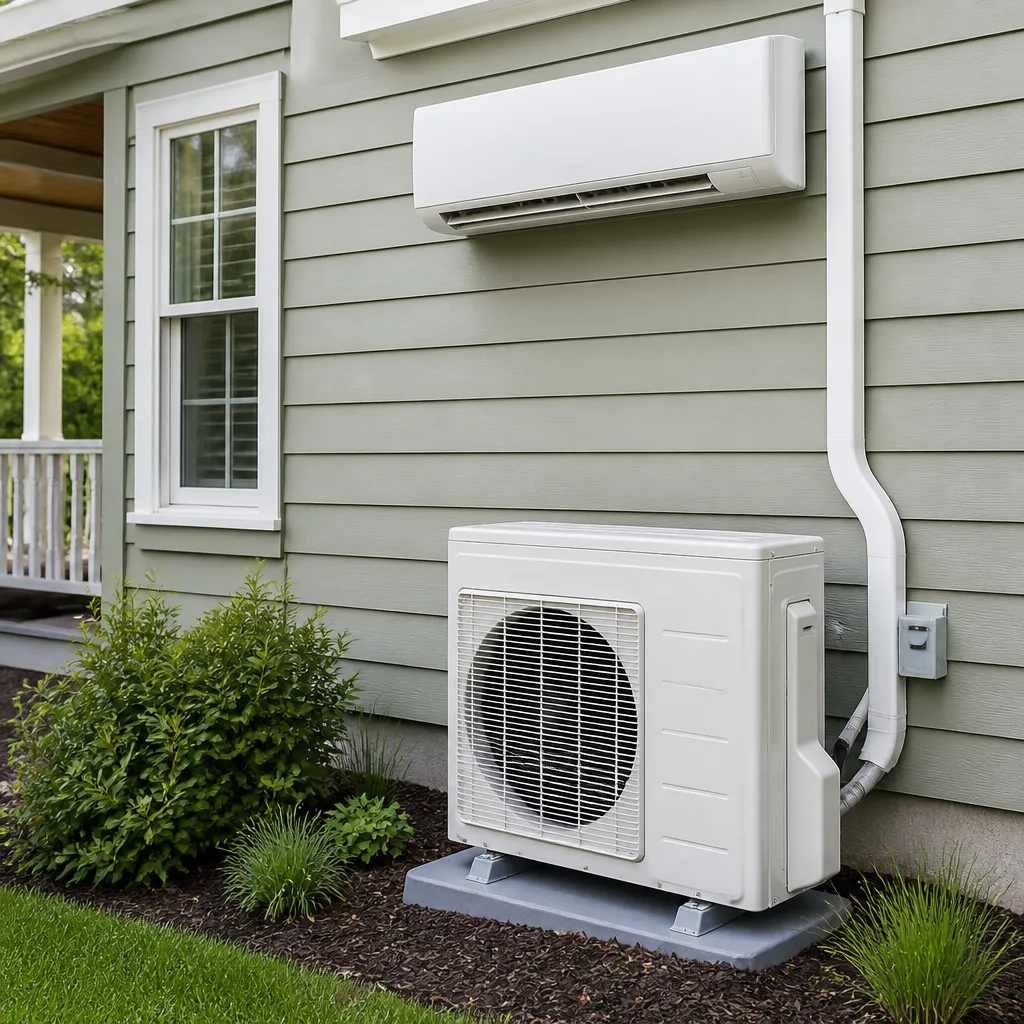 Ductless mini splits
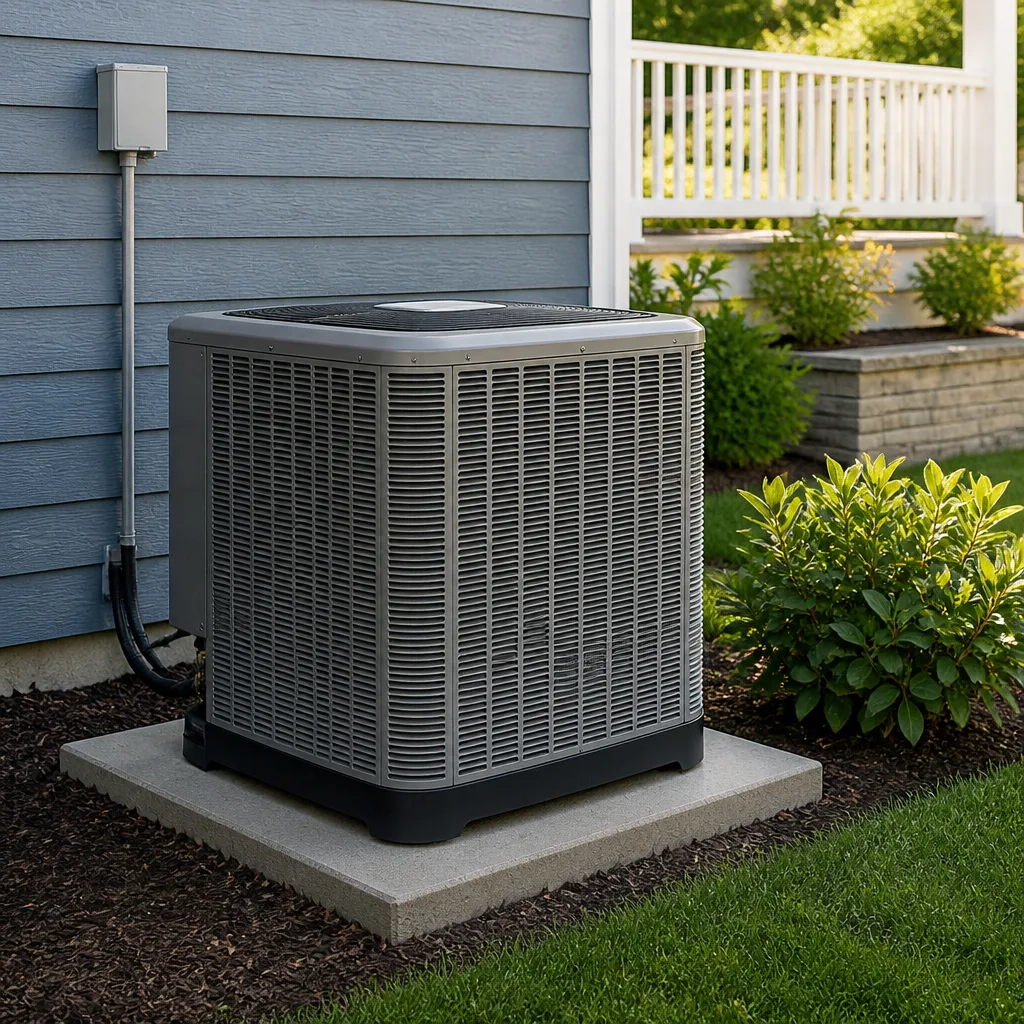 Carrier
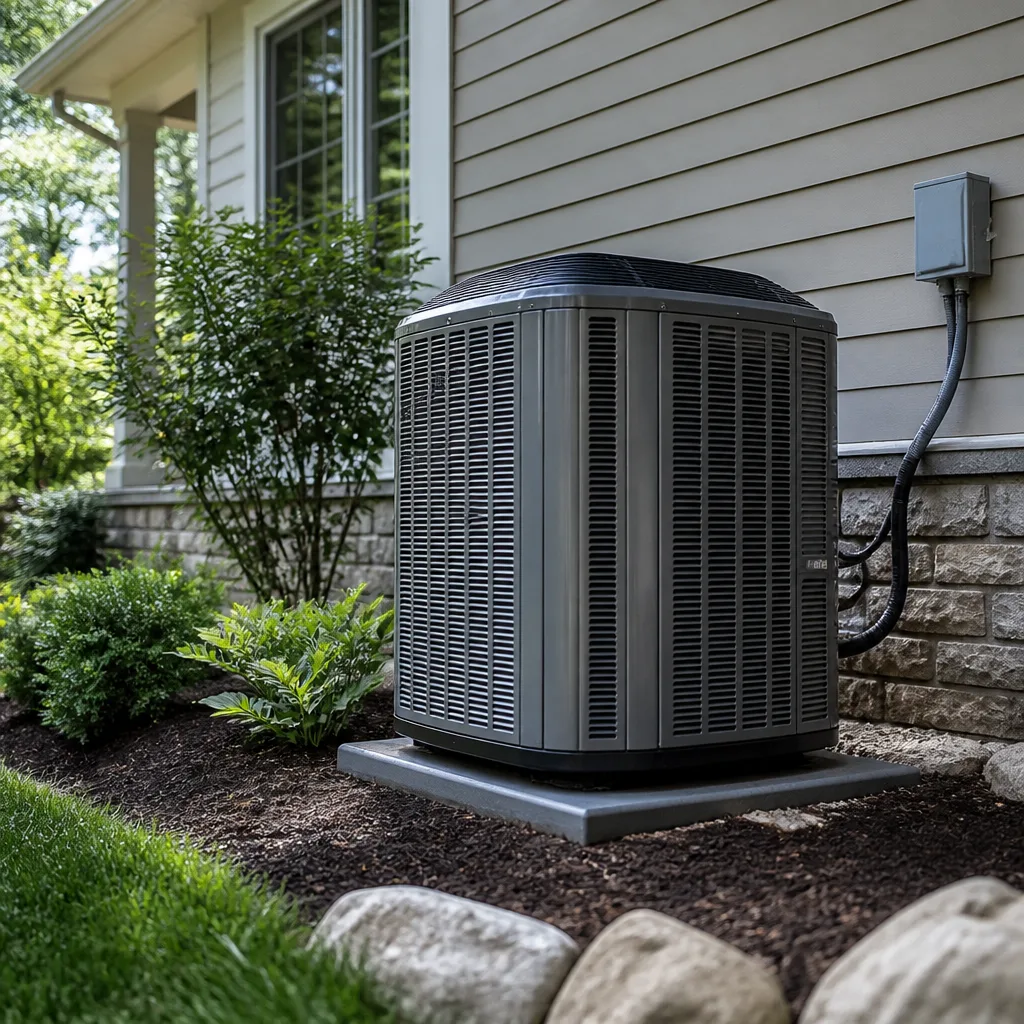 Trane
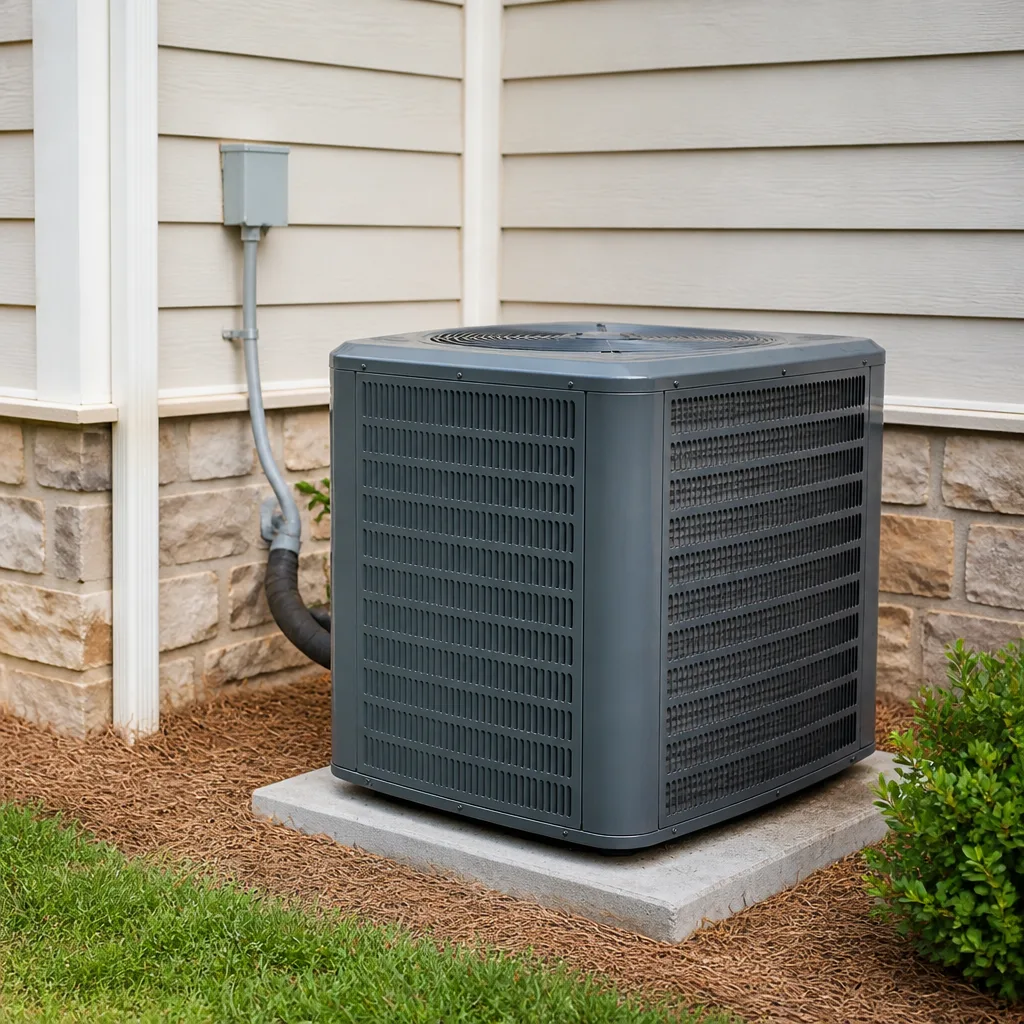 Goodman
Seasonal tune-up and full diagnostic on your Carrier, Trane, or Goodman system - readings shown to you before any repair is proposed
Diagnosis first, numbers second - you approve the repair price before a single part goes in.
Get your free estimateHVAC Permits, Codes & Inspections in Lehigh Acres, FL: What You Need to Know
Most homeowners assume the permit is the contractor’s problem. It usually is, until the day you sell. Then the permit becomes your problem, because the buyer’s inspector runs the address through the county system, finds a system replacement with no final inspection attached to it, and the deal stalls until it’s resolved at your expense. In Lehigh Acres, FL, that gap catches more people than you’d expect, because this is an unincorporated community inside Lee County, not its own city with its own building department, and plenty of homeowners assume “there’s no city hall, so there’s nothing to permit.” There is. This guide walks through which HVAC jobs legally need a permit, how the county system actually works, what an inspector checks, and what to do if someone offers to skip it for you.
Quick Answer
In Lehigh Acres and the rest of unincorporated Lee County, HVAC system replacements and new installations require a permit and a final inspection under the Florida Building Code; like-for-like repairs and routine maintenance generally don’t. The work runs through Lee County’s permitting portal rather than a city office, and the contractor pulls the permit before starting. Skipping it can affect your insurance coverage and surface as a problem at resale.
Styles & brands we work with
- AC repair
- Furnace & heating
- Heat pumps
- Ductless mini splits
- Carrier
- Trane
- Goodman
Table of Contents
- Why Lehigh Acres Homes Fall Through the Permitting Cracks
- Which HVAC Jobs Need a Permit, and Which Don’t
- The Florida Building Code Rules That Apply to Your AC
- How the Lee County Permit Process Works for HVAC
- What a Final HVAC Inspection Actually Checks
- The Resale Trap: When Unpermitted HVAC Surfaces
- When a Contractor Offers to Skip the Permit
- Common Mistakes to Avoid
- When to Call a Professional
- Frequently Asked Questions
Why Lehigh Acres Homes Fall Through the Permitting Cracks
Lehigh Acres isn’t a city. It’s a large unincorporated community spread across Lee County, which means there’s no municipal building department on a local main street to walk into and ask questions. Permitting runs through Lee County, and that one structural detail explains most of the confusion we hear.
Homeowners who moved here from Ohio or New Jersey are used to a city permit office with a counter, a clerk, and a stamped piece of paper. When they discover Lehigh Acres has no city hall for this, some of them conclude no permit is needed at all. That conclusion is expensive. Lee County enforces the Florida Building Code across unincorporated areas just as strictly as any city does.
The other factor is the housing stock. A large share of Lehigh Acres homes were built as affordable single-family houses on quarter-acre lots, and many have been through several owners. Systems get swapped between sales, sometimes by a friend of the seller, sometimes by a handyman working for cash. Each one of those unpermitted swaps sits in a county database as a blank space, and blank spaces have a way of showing up later.
And the climate makes the stakes higher here than in cooler parts of the country. Lehigh Acres summers are long, hot, and humid, so air conditioning isn’t a luxury but a health necessity, and a system that runs hard year after year wears out faster than the same unit would up north. More replacements per decade means more permit pulls, which means more opportunities for something to be skipped.
None of this is meant to scare you. It’s meant to explain why this guide exists at all. Permitting for HVAC in Lehigh Acres is straightforward once you understand it runs through the county, not a city, and once you know which jobs trigger it.
Which HVAC Jobs Need a Permit, and Which Don’t
System replacements and new installations need a permit. Like-for-like repairs and routine maintenance generally don’t. That’s the shorthand version, and it covers most of what a Lehigh Acres homeowner will ever face.
Here’s the breakdown in more detail:
- Full system replacement (condenser and air handler, or a package unit). Permit required. This is a mechanical changeout, and the county wants to see it inspected.
- New installation in new construction or an addition. Permit required, and it typically ties into the larger building permit for the project.
- Ductwork replacement or major duct redesign. Usually requires a permit because it’s part of the mechanical system and affects how the equipment performs. Routine duct cleaning does not, but that’s outside what an HVAC specialist handles anyway.
- Adding a mini-split or a second system. Permit required. New equipment, new electrical, new condensate line.
- Repairing a failed capacitor, contactor, blower motor, or fan. No permit. This is component-level repair, and it’s most of what we do on a given day.
- Recharging refrigerant after a leak repair. No permit for the repair itself, though the refrigerant handling is regulated separately at the federal level.
- Replacing a thermostat or filter. No permit.
- Routine maintenance and tune-ups. No permit.
The line isn’t always obvious. Replacing a compressor in an existing condenser is a repair, no permit. Replacing the entire outdoor condenser because the compressor failed is a replacement, and that does need one. If you’re unsure which side of the line a job falls on, ask before the work begins. Any honest contractor will tell you plainly what they’re pulling a permit for and what they aren’t.
If you’re dealing with a straight repair rather than a replacement, that’s a different process entirely. Our AC repair work is diagnostic and component-level, and no permit enters the picture. A replacement is a different conversation.
The Florida Building Code Rules That Apply to Your AC
The Florida Building Code is the statewide code that governs HVAC work in Lee County, and it covers more than most homeowners realize. The mechanical provisions address equipment sizing, refrigerant piping, condensate disposal, electrical connections, and access. The energy provisions address things like duct insulation and equipment efficiency ratings.
A few rules that come up most often in Lehigh Acres houses:
- Equipment sizing. A replacement system is supposed to match the home’s calculated cooling load, not just the tonnage of whatever unit came out. A contractor who replaces a three-ton unit with another three-ton unit without checking the load calc is guessing. In a Lehigh Acres house with single-pane windows and an older roof, that guess is often wrong in the direction of too much capacity, which means short cycling and higher humidity indoors.
- Refrigerant piping and insulation. Linesets need proper insulation and support. UV exposure degrades cheap insulation fast in this climate, and uninsulated suction lines waste capacity.
- Condensate disposal. Every system needs a primary drain and, in the code’s expectation, a secondary protection method, whether that’s a float switch, a secondary drain line, or a pan with a switch. In Lehigh Acres, a condensate line routed into a flower bed or attic that drips slowly for months can cause serious ceiling damage before anyone notices.
- Electrical disconnect. A service disconnect within sight of the outdoor unit, properly sized and in a working condition.
- Access and clearances. Enough room to service the equipment, both at the air handler and around the condenser.
The energy provisions require new equipment to meet a minimum efficiency rating tied to the state’s climate zone, and a quality installation also means a sealed, insulated duct system where ducts run through the attic. In Lehigh Acres, attic temperatures climb high enough that a leaky duct system loses a meaningful share of the cooling you’ve paid for.
We won’t quote a specific code section number here, because the code is updated on a cycle and the exact citation depends on the edition Lee County has adopted at the time you read this. The county’s building department can confirm the current edition, and any contractor pulling a permit is working from it directly.
When a system is at the end of its life, a proper AC installation starts with a load calculation and a permit, not with a truck dropping off a box.
How the Lee County Permit Process Works for HVAC
HVAC permits in unincorporated Lee County are pulled through the county’s online permitting system. A contractor registers an account, submits an application identifying the property, the scope of work, and the equipment, then pays the permit fee and, once the permit is issued, schedules the inspection. Homeowners rarely interact with the portal because the licensed contractor does it on their behalf.
Here’s how the sequence usually runs for a replacement:
- Contractor registers and verifies credentials. The county checks that the contractor holds a valid state or county HVAC license and the required insurance.
- Application is submitted. This includes the property address, the type of work, the equipment being installed, and often the equipment’s rated capacity and efficiency data. Some submissions also require a load calculation showing the sizing is appropriate.
- Permit is reviewed and issued. Straightforward residential replacements are often issued quickly, while anything requiring plan review takes longer. Turnaround varies with county workload, so ask your contractor what they expect before you schedule demolition of the old system.
- Work is performed. The permit needs to be on record before the equipment goes in, not applied for afterward as an afterthought.
- Final inspection is scheduled and passed. The county inspector visits the property, checks the installation, and closes the permit.
- Permit is recorded as complete. That record is the paper trail you’ll want in ten years when you sell.
Homeowners should ask two questions before any replacement starts: “What permit are you pulling, and what’s the permit number?” and “When you pass final inspection, will you send me the documentation?” A contractor who can answer both without hesitation is doing this right. One who can’t is a warning sign.
One practical note for Lehigh Acres properties specifically: many homes here sit on larger unincorporated lots with addresses the county system can handle fine, but the inspector needs access to both the indoor and outdoor equipment. Clear a path to the air handler and keep the area around the condenser open on inspection day. It seems obvious, but failed inspections for access happen more than they should.
What a Final HVAC Inspection Actually Checks
A final inspection confirms the installation matches the permit and meets code, and it’s usually brief. The inspector isn’t there to grade the workmanship quality in the way a good contractor would; they’re there to verify the specific items the code requires.
What they typically look at:
- Equipment match. The model and capacity installed match what the permit application said, and the indoor and outdoor components are compatible.
- Refrigerant line insulation. Lines are insulated and supported, and the insulation isn’t dangling or cracked from the moment of install.
- Electrical connections and disconnect. A properly rated disconnect near the condenser, correct wiring, and no exposed conductors.
- Condensate drainage. A primary drain routed to a lawful discharge point and secondary protection in place, whether that’s a float switch or a secondary line.
- Access and clearance. Enough room to service the unit and to change the filter without disassembling anything.
- Sealing and insulation of duct connections where visible and required.
- Operation. The system starts, runs, and cools.
What the inspector does not do is run a full performance test, measure static pressure, or verify that the system was commissioned correctly. Passing the final inspection means the installation meets the code’s minimum requirements, not that it was tuned well. That’s why you want a contractor who does the load calculation, checks airflow, and verifies charge at installation, all of which matter more to your monthly bill than the inspection itself.
The inspection does give you a useful second opinion, though. If an inspector fails a job, it’s usually for a reason that will cause a real problem later, whether that’s a missing float switch that would have let a drain overflow, or a disconnect that was undersized. If you’re at a home during the inspection, ask the inspector what they’re checking. Most will tell you.
The Resale Trap: When Unpermitted HVAC Surfaces
Unpermitted HVAC work usually stays invisible for years, and then one event brings it to light: a sale. The buyer’s home inspector pulls the property’s permit history, compares it against the age of the equipment, and notes the mismatch. A system installed in 2019 with no permit record from 2019 becomes an item on the inspection report, and the transaction stops being about the price of the house.
What happens next varies:
- Retroactive permitting. In some cases the county will allow a permit to be pulled after the fact, with the existing installation inspected. If the work meets code, this is the cleanest path. If it doesn’t, corrections are required first.
- Corrections and re-inspection. Missing float switches, uninsulated lines, and undersized disconnects all come out of the buyer’s negotiating position and into the seller’s.
- Full replacement. In the worst cases the installation is so far out of compliance, or the equipment so incompatible with the documented application, that replacing it is cheaper than retroactively permitting it.
- Negotiated credit. Even when the buyer doesn’t walk, the seller often ends up crediting the cost of a new system at closing, sometimes more than the permit would have cost in the first place.
- Insurance complications. A homeowner’s policy may exclude or limit coverage for damage traced to work performed without a permit, and discovering that after a claim is a bad time to find out.
This is where Lehigh Acres specifically gets caught. Because the community is unincorporated and many homes have changed hands more than once, the permit record for any given property is often spotty. If you’ve owned your home for years and the person before you installed the AC, it’s worth pulling the county permit history to see what’s on file. If there’s a gap, deal with it before you list the house, not after a buyer’s inspector finds it.
The flip side is good news: a clean permit history is a selling point. When a buyer’s inspector pulls the record and everything lines up, that’s a short item on the report and one less lever against your price.
When a Contractor Offers to Skip the Permit
It happens. A contractor tells you the permit is a waste of money, that the county won’t check, that skipping it saves you a few hundred dollars and a week of waiting. Sometimes it’s a handyman doing HVAC work outside their license. Sometimes it’s a legitimate HVAC contractor cutting a corner. Either way, the risk calculation is worth understanding before you say yes.
What “skip the permit” actually means, and what it costs down the road:
- No inspection. Nothing verifies the installation met code. The float switch someone forgot, the undersized disconnect, the lineset with degraded insulation: none of it gets flagged. You find out later, usually when a ceiling comes down or the breaker keeps tripping.
- Your insurance may exclude the claim. If a fire or water loss traces back to the unpermitted installation, the adjuster will ask for the permit. No permit, and the claim can be partially or fully denied.
- The resale problem. As above, this becomes your problem years later, and it’s usually more expensive to resolve then than to have permitted it correctly.
- The liability question. Work performed without a permit by an unlicensed contractor means no license to hold accountable, no insurance to draw from, and no board to complain to.
- The false savings. The permit fee is a small share of the total replacement cost. What you “save” up front is dwarfed by what a retroactive permit or a rejected insurance claim costs you later.
If a contractor offers to skip the permit, the right response is no. Not because the permit process is sacred, but because the offer itself tells you something about how that contractor will handle the parts of the job you can’t see. We work on your brand, whether it’s your York, your Daikin, your Bryant, or your American Standard, and one of the things we do on every replacement is pull the permit. Every time. Homeowners who value getting the right fix over the cheapest bid tend to expect that.
Common Mistakes to Avoid
- Assuming no city means no permit. Lehigh Acres is unincorporated, so permitting runs through Lee County, which enforces the code across the entire area. Nothing about the lack of a city hall reduces your permit obligations.
- Pulling the permit after the fact. A permit is supposed to be in place before work starts. Applying for one after installation happens, but it puts the job on the county’s radar in a way that invites closer review and sometimes corrections.
- Believing the contractor when they say the county won’t check. The county may not knock on your door the week the system goes in, but the permit record is permanent, and it’s what gets pulled at resale or after an insurance claim.
- Skipping the load calculation to save time. In Lehigh Acres’s climate, an oversized system short cycles and leaves the house clammy; an undersized one runs constantly. A proper sizing calculation is part of doing the job right, and a replacement that skipped it may not hold up at inspection.
- Not asking for the permit number and final inspection paperwork. The documentation you receive after final inspection is your proof that the work was permitted and closed. Store it with your home’s records.
- Letting a handyman handle a system replacement. Handymen may be excellent at the tasks they’re licensed for, but a full HVAC system replacement isn’t one of them. Hiring outside the licensed trade means no permit, no inspection, and no recourse.
- Ignoring condensate drainage details. A drain line that’s routed to the wrong place, or one missing secondary protection, can cause slow attic or wall damage for months before it’s noticed. Ask where the condensate goes and how secondary protection works on your system.
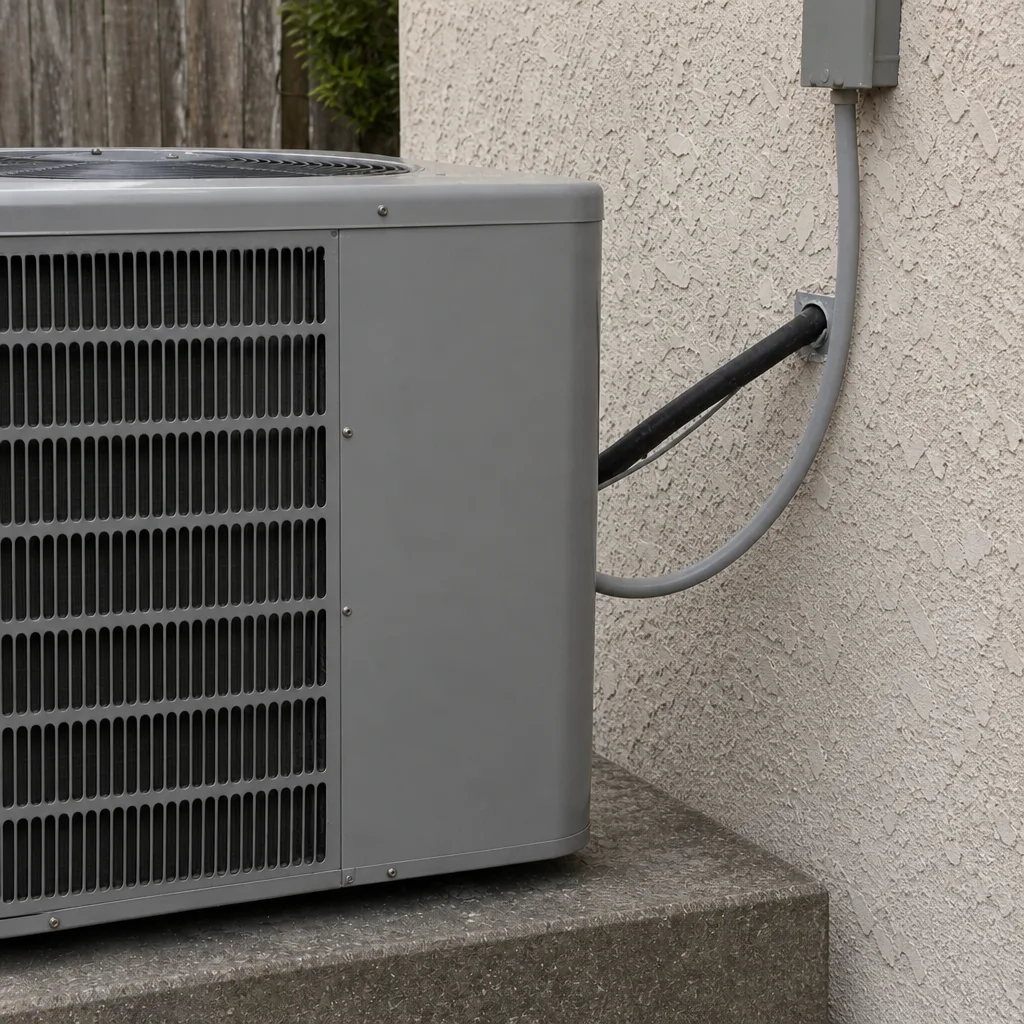
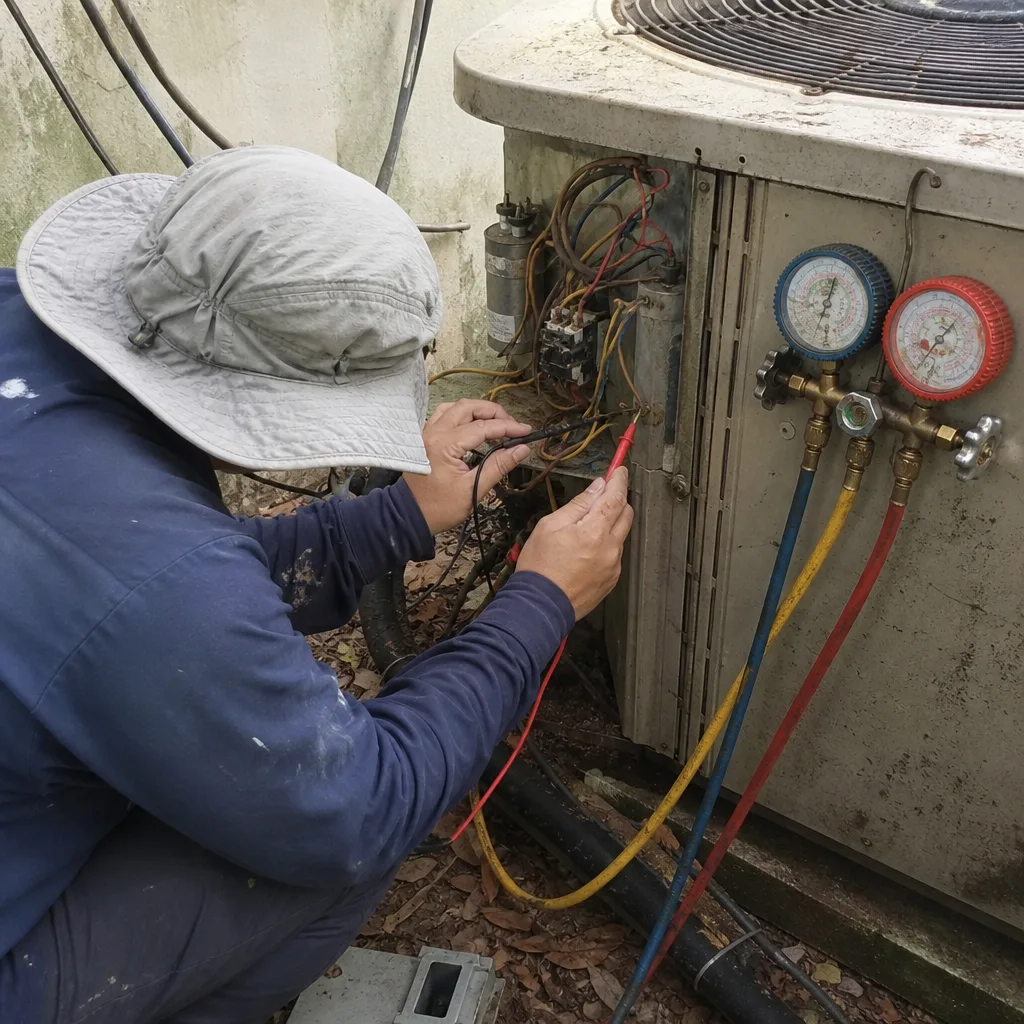
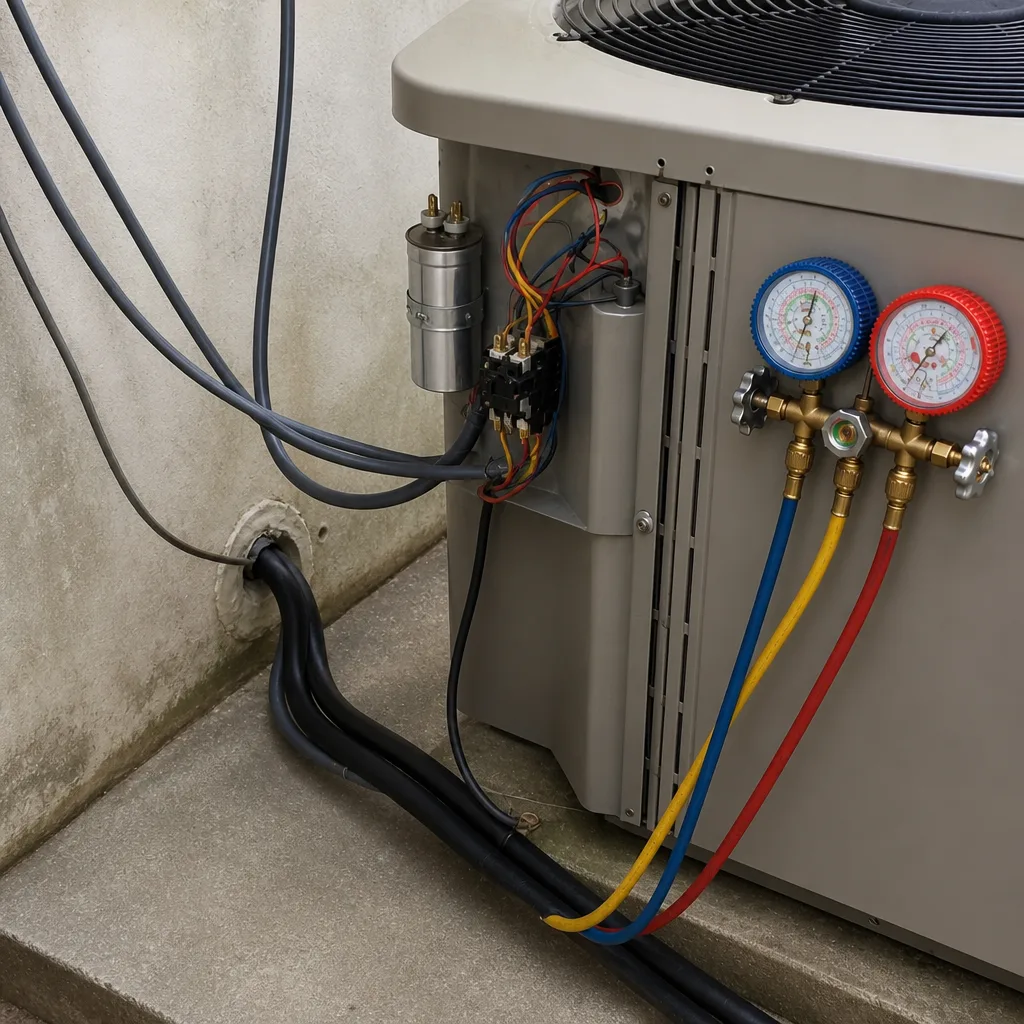
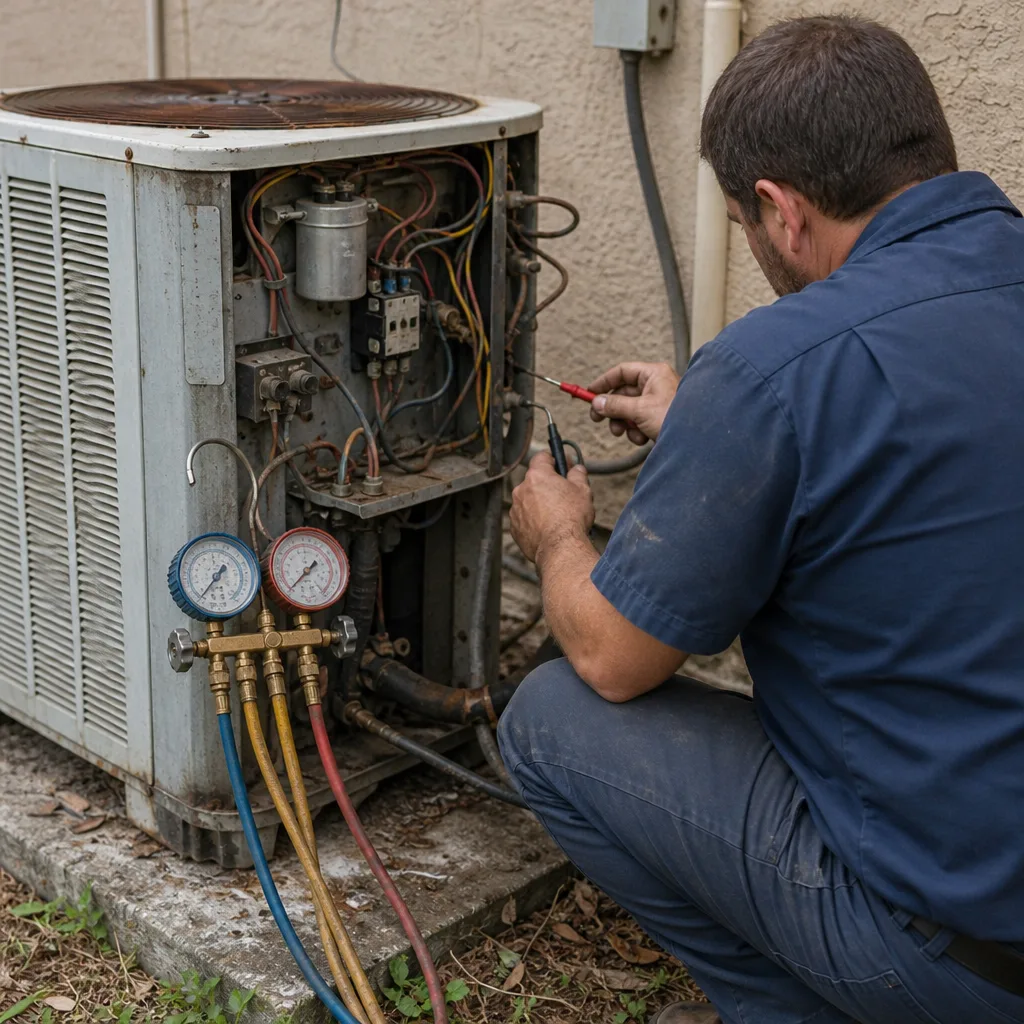
See the difference
 Before
 After
 Before
 After
 Before
 After
When to Call a Professional
Some things you can handle yourself: filter changes, keeping the condenser clear, setting the thermostat. Everything else on an HVAC system, from a diagnostic through a replacement, should go to a licensed technician. The specific moments to pick up the phone: your system stops cooling in the middle of a hot day, you’re hearing a noise you can’t place, your energy bill jumped without explanation, or you’re facing a replacement and need to know whether a repair will last another season. Code compliance, load calculations, and refrigerant handling all require training beyond what a homeowner can responsibly attempt. On replacements, permit pulled, load calculation done, final inspection passed. AC Repair Lehigh Acres offers free estimates in Lehigh Acres; call (866) 389-4593.
If you’re weighing repair against replacement, or just need to know what’s going on with a system that isn’t working right, our team works on the brand already in your home, so the answer is almost always yes. That covers people in Lehigh Acres and the surrounding area.
Frequently Asked Questions
Yes. A full system replacement or new installation in unincorporated Lee County requires a permit through the county’s permitting system, followed by a final inspection. Like-for-like repairs (a failed capacitor, blower motor, or contactor) generally don’t require a permit. Call (866) 389-4593 if you’re unsure which category your job falls into; estimates are free.
The contractor pulls it. Licensed contractors register with the county, submit the application, pay the fee, and schedule the final inspection on your behalf. What you should ask for is the permit number before work starts and the final inspection documentation once it’s closed. Call (866) 389-4593 to walk through what a replacement typically involves.
A final inspection confirms the installation matches the permit and meets code: equipment match, refrigerant line insulation, electrical disconnect, condensate drainage with secondary protection, and service access. It’s brief but meaningful. If something obvious like a missing float switch or an undersized disconnect is present, the inspection is where it gets caught. Call (866) 389-4593 for exact quotes on repair or replacement.
You can, but it usually costs you. Buyers’ inspectors pull permit history at the address, and unpermitted system work shows up as a gap. The fix is usually a retroactive permit, sometimes with corrections, and occasionally a full replacement, all negotiated out of your sale price. Dealing with it before you list the house almost always beats discovering it after the buyer’s inspection. Call (866) 389-4593 for a free estimate on what a compliant replacement would involve.
Straightforward residential replacements are often issued quickly once the application is submitted and credentials are verified, while more involved work that requires plan review takes longer. The county’s workload affects turnaround, so ask your contractor what they’re expecting before the old system comes out. Call (866) 389-4593 and we’ll walk you through a typical timeline.
It can. If a claim traces back to work that was performed without a permit, the insurer may deny or limit coverage, and you may find yourself explaining why there’s no permit record at all. The permit is a small share of the replacement cost, and it’s the paper trail your insurer expects to see. Call (866) 389-4593 for a free estimate that includes the permit.
The Bottom Line
In Lehigh Acres, HVAC permitting runs through Lee County because the community is unincorporated, and it applies to every system replacement and new installation regardless. Repairs and maintenance generally don’t need a permit, but replacements do, and the final inspection is what documents that the work was done to code. The permit itself is a small line item; the risk of skipping it is not. A gap in the record can cost you at resale and complicate an insurance claim later. Ask your contractor for the permit number before work starts, and keep the documentation after final inspection.
If you’re planning a replacement, or you need to know what’s actually wrong with a system that isn’t working right, we’re happy to help. Call (866) 389-4593 for a free estimate. We answer 24/7. Fast dispatch from 7am to 7pm, Sunday through Friday. You can also start with AC Repair Lehigh Acres and see the full range of what we handle. Our technicians have up to 14 years of experience across nine of the most widely installed residential brands, and every call is HVAC only.
Written by the team at AC Repair Lehigh Acres.