
Last updated November 15, 2026
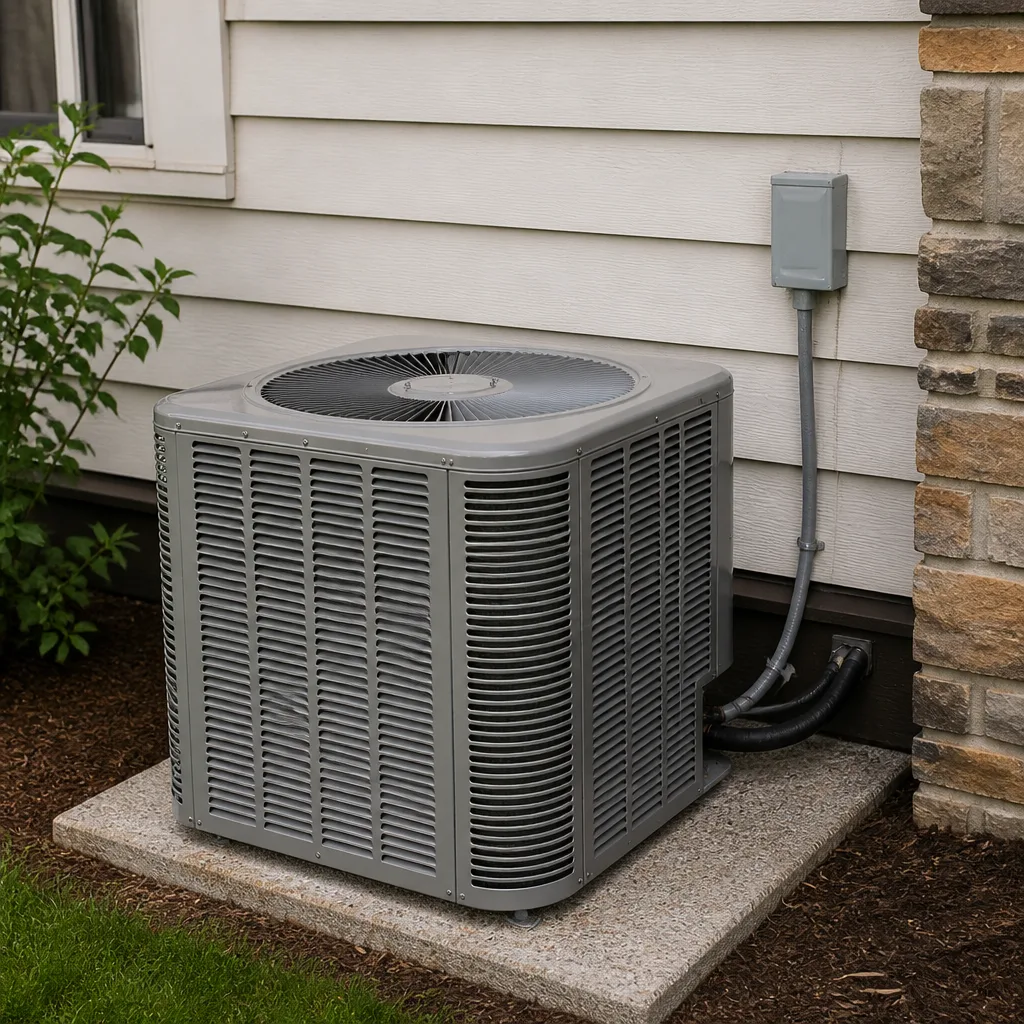 AC repair
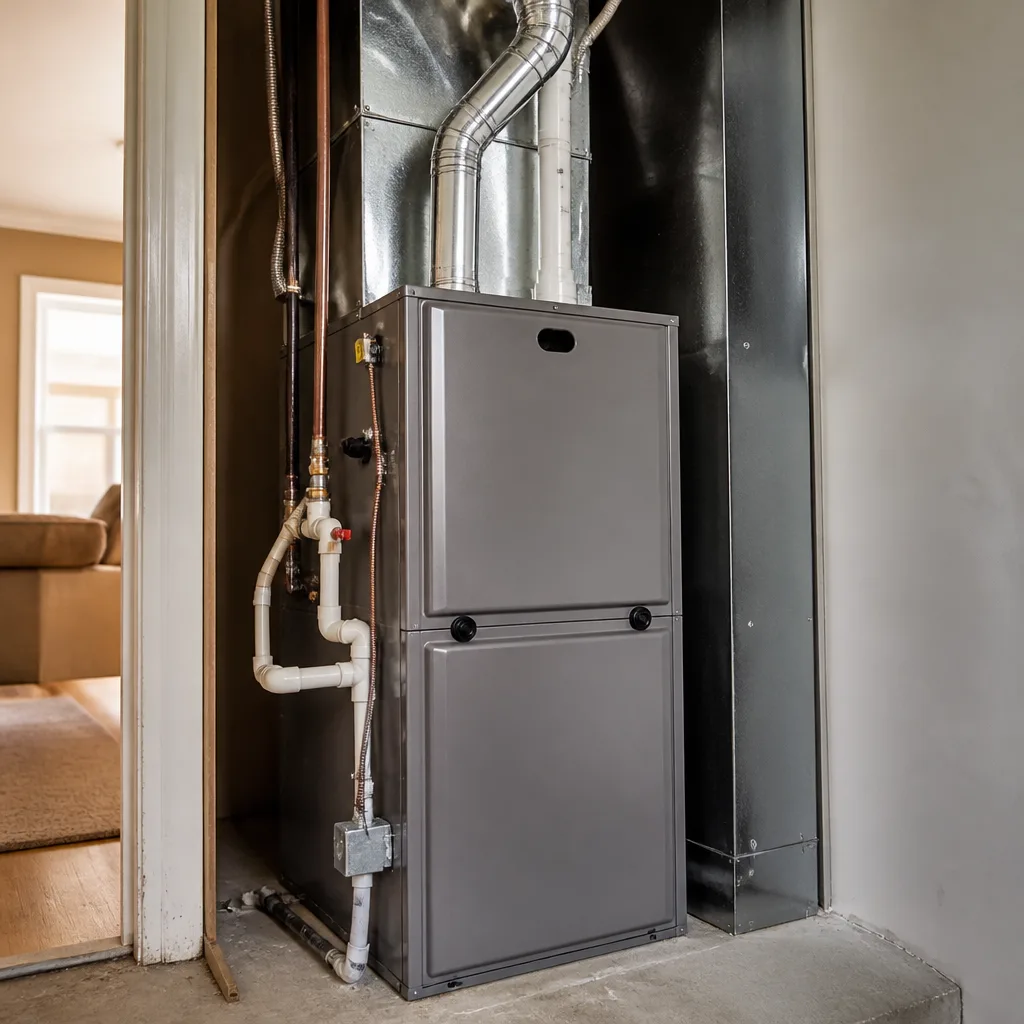 Furnace & heating
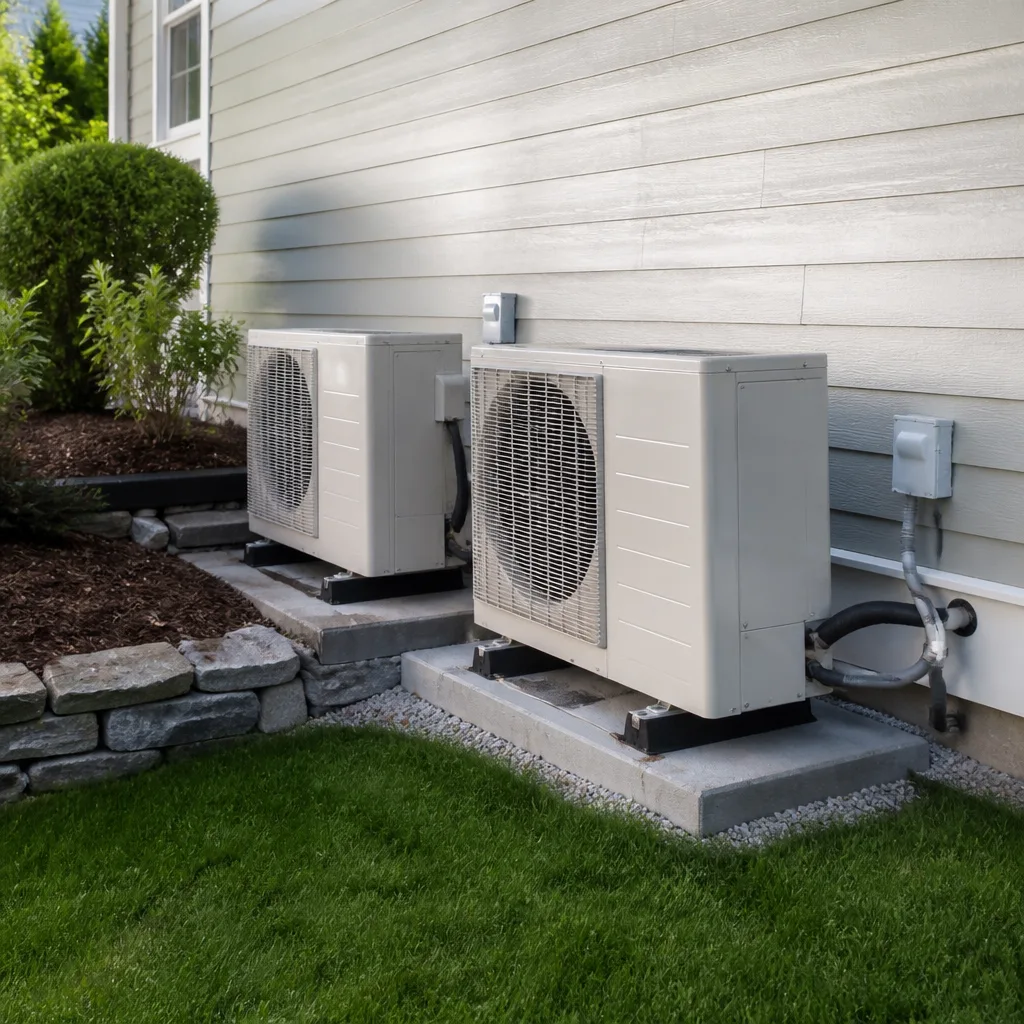 Heat pumps
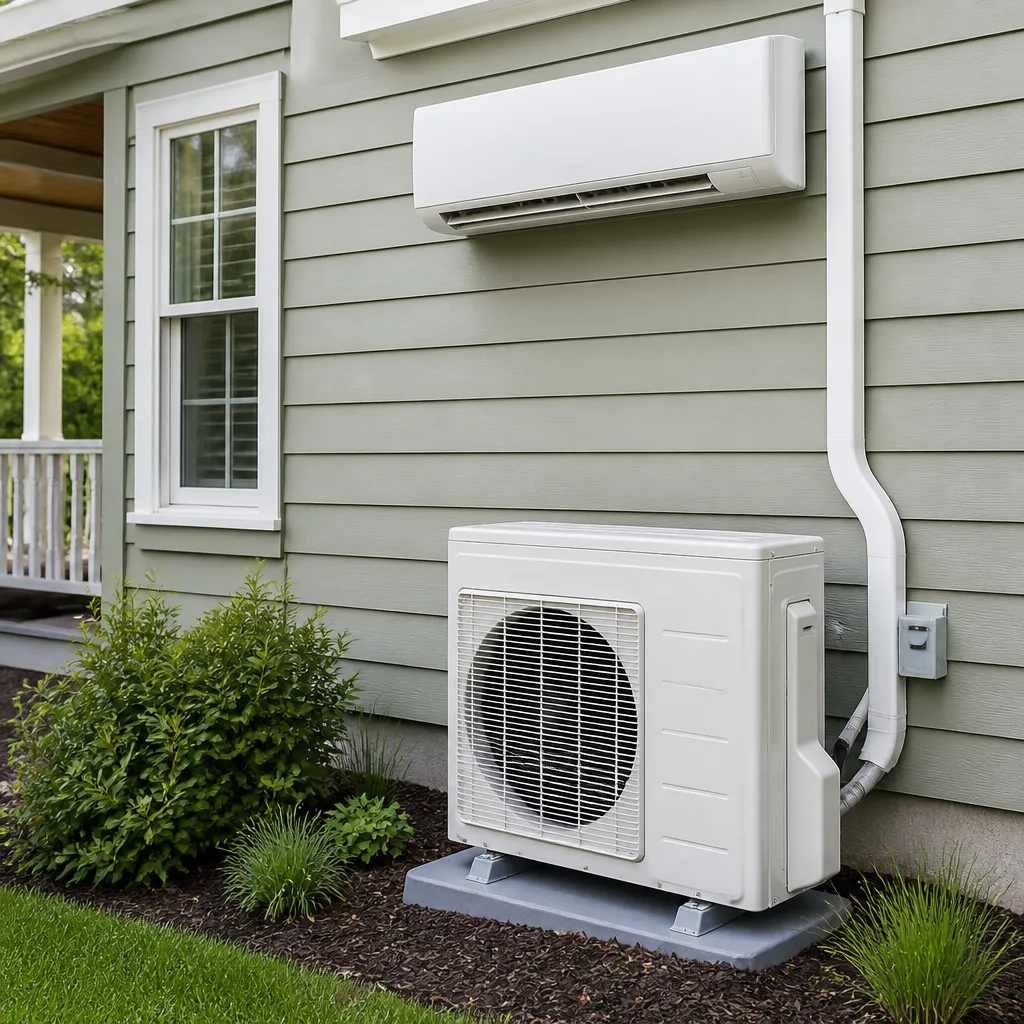 Ductless mini splits
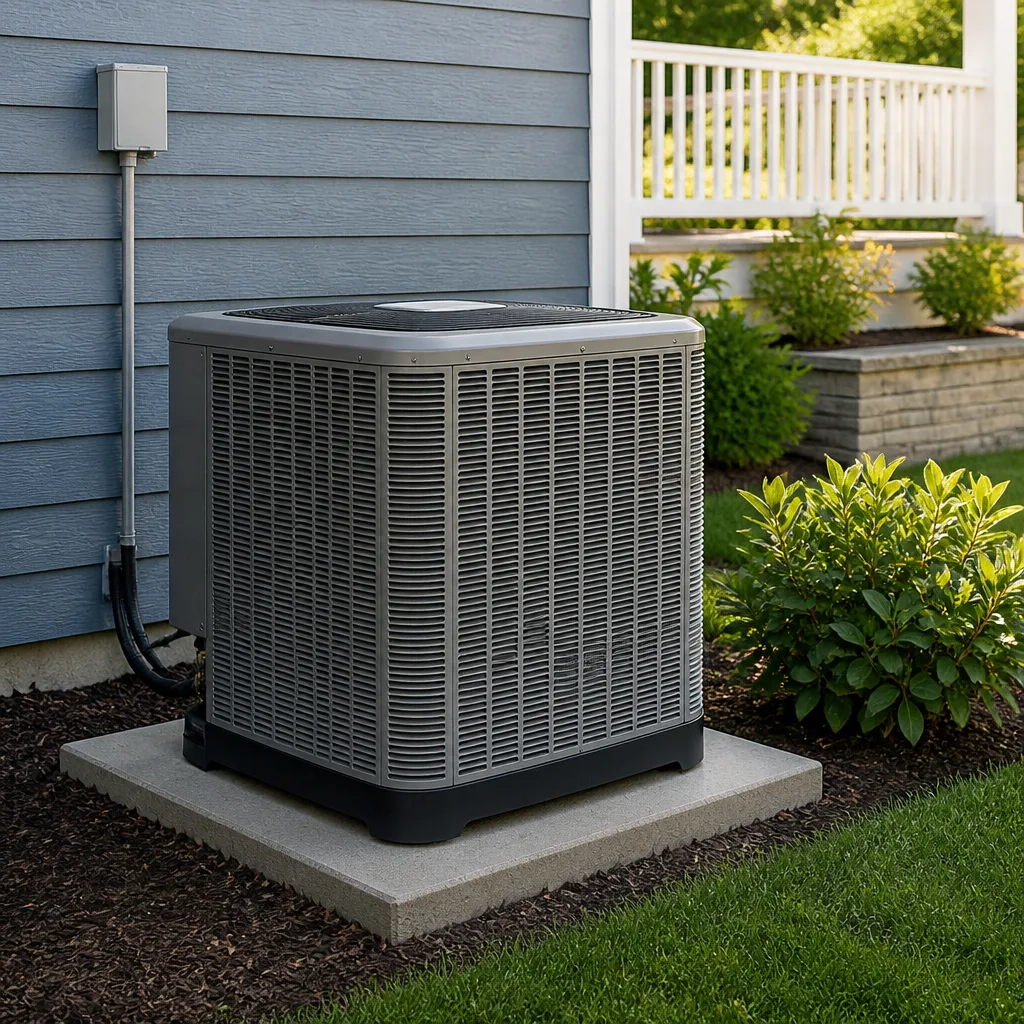 Carrier
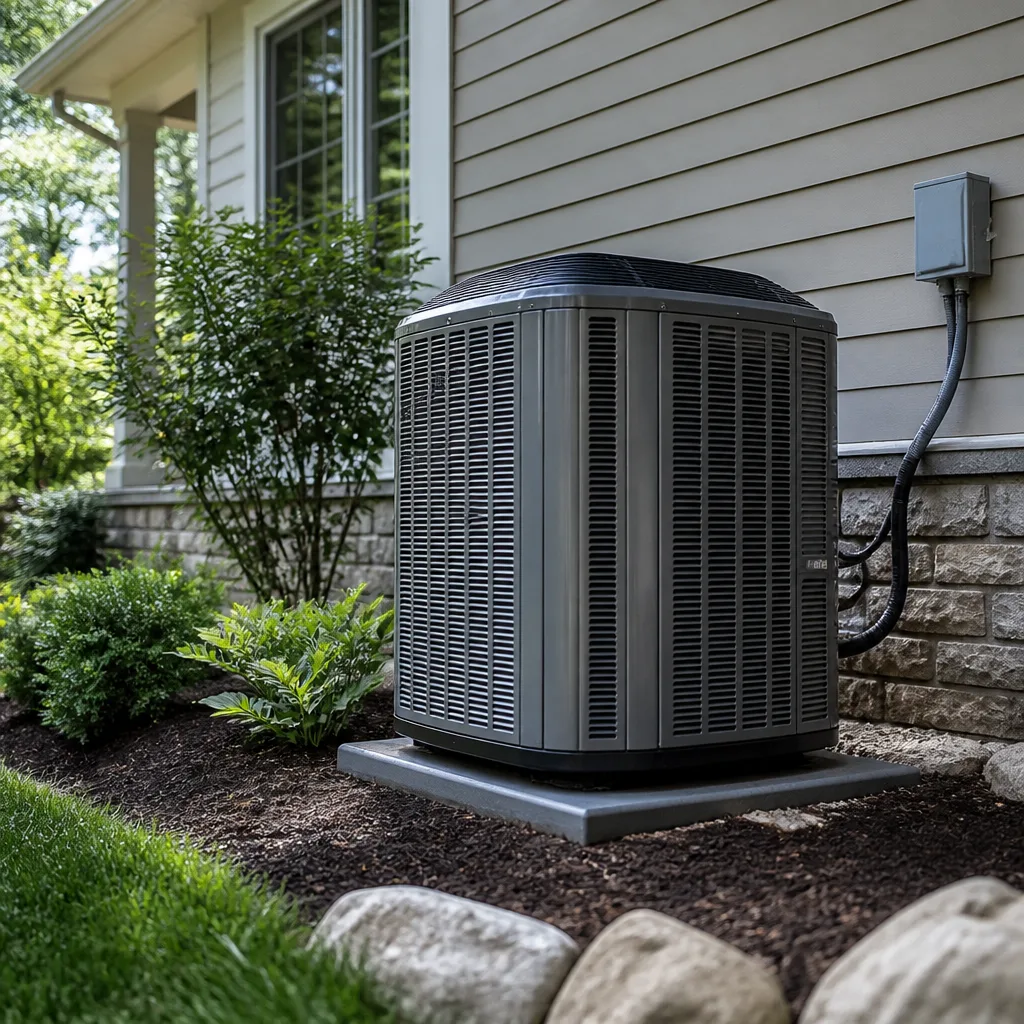 Trane
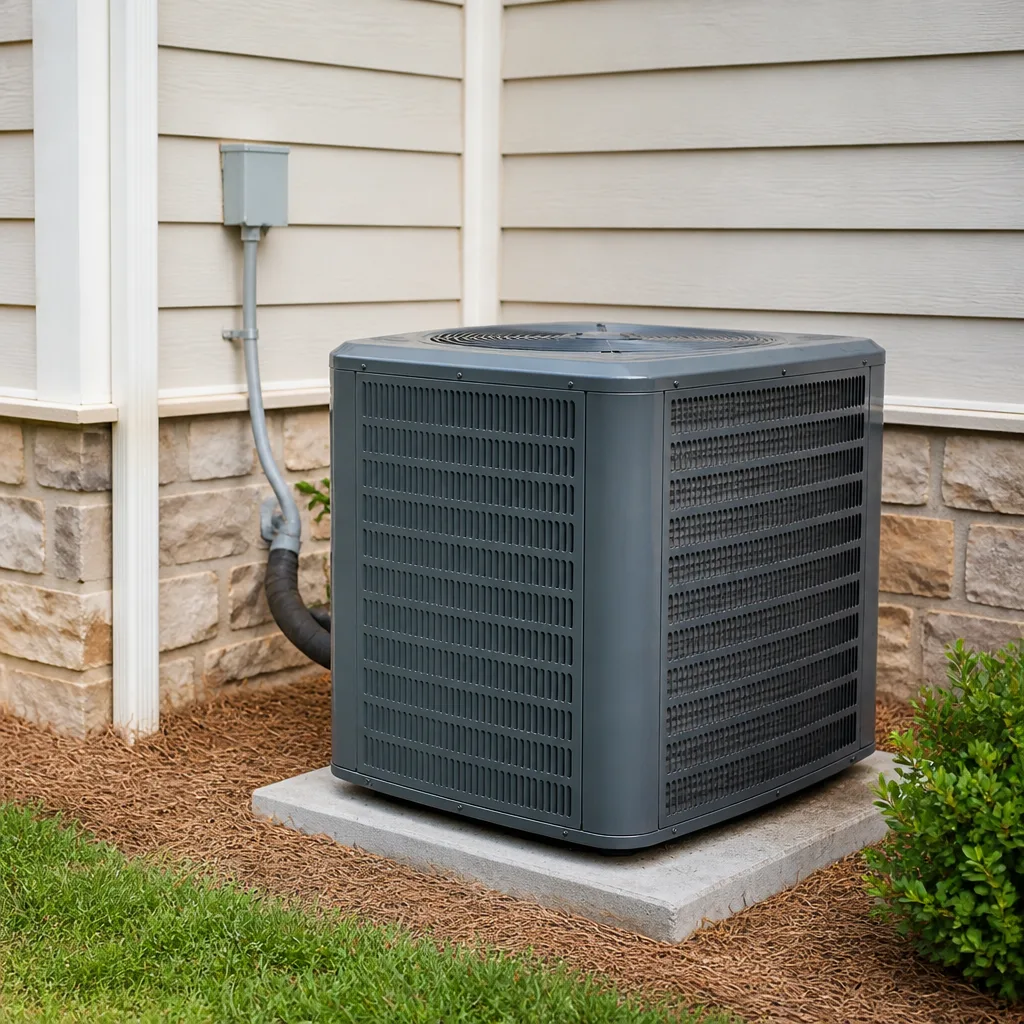 Goodman
Seasonal tune-up and full diagnostic on your Carrier, Trane, or Goodman system - readings shown to you before any repair is proposed
Diagnosis first, numbers second - you approve the repair price before a single part goes in.
Get your free estimateHVAC Emergency Preparedness Guide for Lehigh Acres Homes
Most homeowners think of air conditioning failure the way they think of a flat tire: irritating, but manageable. In Lehigh Acres, that math doesn’t hold. When the heat index sits above 100°F for days at a stretch, a working system isn’t a comfort feature; it’s the thing keeping an elderly parent, a pet, or a piece of medical equipment safe. And when the whole county is sweltering at once, everyone’s AC fails at the same time. The good news is that a little preparation before that week changes everything about how it goes. In this guide, we’ll walk through the documentation to keep on hand, how to tell whether a struggling system has hours or days left, how to protect equipment through hurricane season, and what to have ready when you finally pick up the phone.
Quick Answer
HVAC emergency preparedness in Lehigh Acres means three things: having your equipment’s model and serial numbers, warranty paperwork, and service history gathered where you can find them fast; knowing the small warning signs that a system is about to fail so you can call before it does; and having a household cooling plan in place for the days when repairs can’t happen instantly. Systems that fail during peak heat or just after a storm typically wait longer for service, because demand spikes across the whole area at once. Preparation is what closes that gap.
Styles & brands we work with
- AC repair
- Furnace & heating
- Heat pumps
- Ductless mini splits
- Carrier
- Trane
- Goodman
Table of Contents
- The Documentation to Gather Before You Need It
- Reading the Warning Signs: Hours or Days From Failure?
- Hurricane-Season HVAC Preparation
- Post-Storm Restart: What to Check Before You Switch It On
- Building a Household Cooling Plan
- What to Have Ready When You Call a Technician
- Repair or Replace? A Framework for Older Systems
- Brand and Model: Why It Matters for Parts and Diagnosis
The Documentation to Gather Before You Need It
The single fastest way to slow down an HVAC repair is to not know what equipment you own. When a technician has to identify a system from scratch, look up whether a part is covered, and guess at what’s been done to it in the past, a two-hour job becomes a two-day one. In our experience, the homes that get back to cool fastest are the ones where a folder of paperwork was already assembled.
Here’s what to collect and keep together, either in a physical folder or a phone photo album:
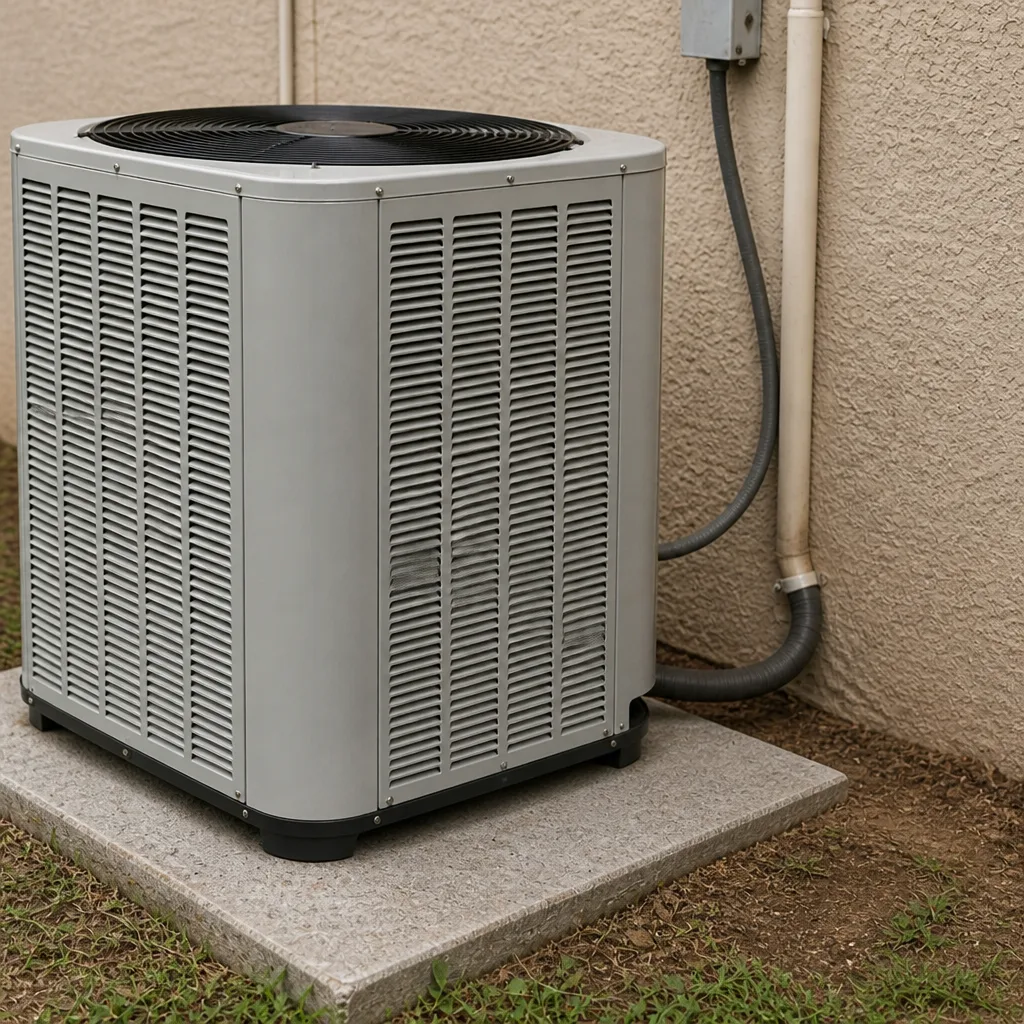
- The outdoor unit’s data plate. Photograph the metal nameplate on the side of the condenser. It carries the model number, serial number, and manufacture date.
- The air handler or furnace data plate. A second sticker, usually inside the indoor unit’s access panel. Photograph it too.
- Warranty paperwork or registration confirmation. A surprising number of systems are still under a parts warranty and the homeowner doesn’t know it.
- Service history. Receipts from past tune-ups, repairs, and any parts replaced. Even a rough list with dates helps.
- Thermostat model. Some failures are thermostat failures, and knowing the model shortcuts the diagnosis.
The model and serial numbers aren’t just for the technician’s convenience. They’re how a parts supplier confirms whether a specific compressor, capacitor, or control board is in stock locally. In Lehigh Acres, where older homes mix equipment installed across several decades, having the correct number means the right part gets ordered the first time rather than the second.
If your system was installed by a previous owner and you have no paperwork at all, that’s still a starting point. A technician can photograph the plates during the first service visit and build the file for you. Do it during a routine appointment, not during a failure.
Reading the Warning Signs: Hours or Days From Failure?
Most HVAC systems don’t die without warning. They fail slowly, over days, with a handful of signals that most homeowners dismiss as quirks. Learning to read those signals is the difference between a scheduled repair and an emergency one. A struggling system usually has days or weeks left, not hours, unless the signs are severe. The trick is knowing which is which.
Signs that buy you days, not hours
These signals mean the system is under strain but still functional. Call for a service appointment promptly; you’re not in a same-hour emergency yet.
- The house is still cooling, but the unit runs longer than it used to in similar weather.
- Air from the vents feels cool but weak compared to last month.
- You hear a faint clicking or buzzing from the outdoor unit when it starts up.
- One room is consistently warmer than the rest.
- Your electric bill jumped without a big change in weather.
Signs that mean call now
These point to a failure that could happen within hours. Don’t wait.
- Ice on the refrigerant lines or the outdoor coil while the system is running.
- A burning smell or hot electrical odor from any part of the system.
- The outdoor fan isn’t spinning while the compressor is clearly running.
- Loud banging, screeching, or grinding from the outdoor unit.
- The system trips the same breaker repeatedly.
One important safety note: if you smell burning, see smoke, or hear a loud electrical pop, shut the system off at the thermostat and at the breaker, then leave it off. Electrical faults and compressor failures are not things to diagnose from the driveway. Call a trained technician. Our team has up to 14 years of experience and works on the equipment most Lehigh Acres homes have installed, including Carrier, Trane, Lennox, and Goodman systems.
Hurricane-Season HVAC Preparation
Hurricane season in southwest Florida runs from June through November, and the same storms that take down power lines take out HVAC systems in ways that aren’t always obvious. Pre-storm preparation is straightforward, and it’s the kind of work that pays off only when you don’t need it, which is exactly the point. Here’s the sequence we recommend before a named storm makes landfall.
- Turn the system off at the thermostat. Do this before the storm arrives, not during. Running a system when voltage may be unstable or power may drop at any moment puts the compressor and control board at risk.
- Switch the breaker off. At the main panel, flip the breaker that feeds the outdoor unit. This protects the compressor from a power surge on the way back.
- Secure or remove loose items around the condenser. Lawn chairs, planters, and small debris become projectiles in high wind. Anything the wind can pick up near the unit can also bend the fan blades.
- Consider a physical shield for the outdoor unit. A piece of plywood strapped over the top and windward side protects the coil and fan grille from flying debris. Don’t wrap it airtight; the unit needs to breathe when it’s running.
- Trim nearby branches. Low-hanging limbs over the condenser are the most common cause of impact damage we see after a storm.
- Photograph the unit and the data plate again. If the unit is damaged and you need to file a claim, the photos make the process much faster.
The pre-storm shutdown matters more than most homeowners realize. It’s not about keeping the house cool through the storm; it’s about preventing the compressor from getting caught in a brownout or a rapid off-on-off cycle. The same logic applies to the post-storm restart, which is the next section.
Post-Storm Restart: What to Check Before You Switch It On
After a hurricane or even a bad thunderstorm, the temptation is to walk in and flip the thermostat back to cool. Resist it for a few minutes. The restart sequence matters, and doing it in the right order prevents a small problem from becoming a large one.
- Confirm the power is stable. Wait until the lights have been on and steady for a while. If the neighborhood has had flickering power, the grid is still settling.
- Inspect the outdoor unit visually. Look for bent fan blades, standing water inside the cabinet, obvious debris in the coil, or anything blocking airflow. If water got inside the electrical compartment, don’t power it up.
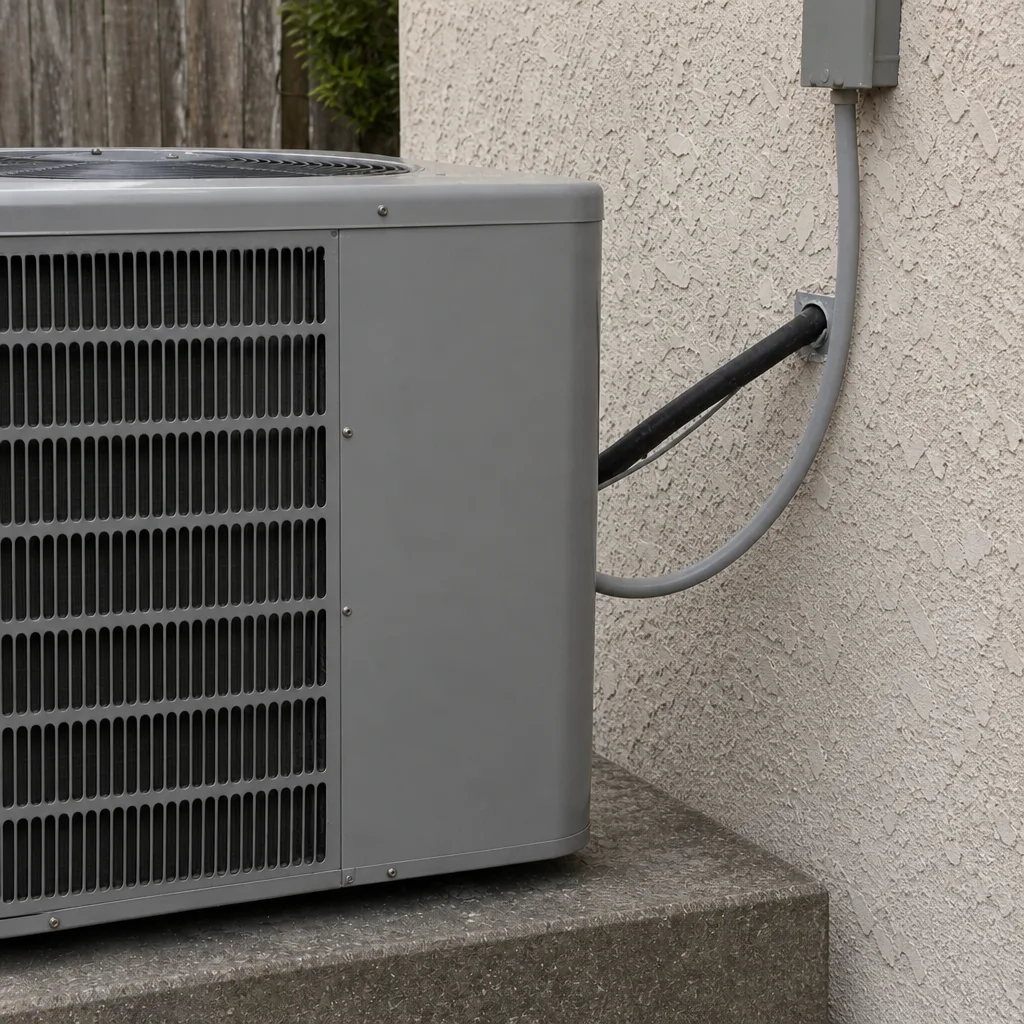
- Check for physical damage near the refrigerant lines. Look at where the copper lines enter the wall and the outdoor unit. If you see oil residue, kinks, or cracked insulation, stop here and call a technician.
- Reset the breaker. With the thermostat set to off, turn the breaker back on. Then set the thermostat to cool and give it a few minutes before judging whether it’s working.
- Watch the indoor and outdoor units together. The outdoor fan should spin, air should flow from vents indoors after a minute or two, and no strange noises should appear.
- Shut it down if anything looks wrong. If you see ice forming, hear a grinding sound, or smell burning, switch it off and call. Damage from a bad restart can cost more than the original storm damage.
If your home is in Lehigh Acres and you’re unsure whether the outdoor unit took on water or impact damage, the safest call is to have a technician inspect before restart. We work on the system you already have rather than steering you toward a new brand, and our AC Repair Lehigh Acres team can look at post-storm damage without a sales pitch. If it turns out the equipment needs to come out, we handle AC installation as well, but that’s a decision after a repair-first diagnosis.
Building a Household Cooling Plan
Here’s the part most HVAC guides skip: even with perfect preparation, sometimes the repair wait is longer than your household can safely tolerate. During a multi-day heat event or right after a storm when the whole area is calling simultaneously, technicians are stretched thin. Having a plan in place before that day is what keeps an inconvenience from becoming a health risk.
A household cooling plan has four parts:
- Identify your at-risk people and pets. Elderly residents, infants, anyone with a heart or respiratory condition, and any household member with medical equipment that depends on stable indoor temperature. Write the names down; don’t rely on memory under stress.
- Identify a cooler place to go. A nearby relative or friend with working AC, a community center, a library, or a mall. Know the address and hours in advance. Lee County public buildings are generally open during heat events; check with the county directly for current cooling station information before a crisis.
- Line up a backup cooling source for a single room. A portable or window unit stored in the garage gets one room livable if the main system is down. Test it once a season so it works when you need it.
- Set a temperature threshold. Decide now what indoor temperature triggers evacuation to a cooler place. Most health guidance puts that threshold around the mid-80s for at-risk individuals, but your household may have its own rules from a doctor or specialist.
And if a household member relies on powered medical equipment, that plan needs to include a backup power source as part of the household inventory. That’s a medical decision rather than an HVAC one, but the two are linked in every home in Lehigh Acres where the summer heat stays relentless.
What to Have Ready When You Call a Technician
The information you provide on the call directly shortens your time to a working AC. It’s not a script; it’s simply the facts that let the technician dispatch with the right tools, the right parts knowledge, and the right expectations. Have this ready when you pick up the phone.
- Your equipment brand and model number. From the data plate you photographed earlier. If you only know the brand, that’s fine, but the model is better.
- The serial number. It tells the technician roughly how old the unit is and whether it’s still under parts warranty.
- What the system is doing right now. “Not cooling” is a symptom. “Fan runs but air is warm” or “Outdoor unit is silent but the thermostat shows a call for cool” is a diagnosis in progress. Be specific.
- When the problem started. Two hours ago and two days ago are different problems.
- Any changes you’ve made. New thermostat, new filter, breaker reset, anything you’ve done to troubleshoot.
- Any recent service. If the system was last serviced recently, what was done matters. If a part was replaced, note it.
- Your address and best callback number. Obvious, but it’s the thing that gets skipped when you’re stressed.
One other thing worth mentioning: if the system has been underperforming for weeks rather than failing suddenly, say so on the call. Slow-burn problems often point to a different repair path than sudden failures do, and knowing this on the phone helps the technician decide what to bring.
When you call, we’ll ask for exactly these details. Whether the equipment is a Trane, a Lennox, or a Bryant, we service it; our technicians are trained on nine widely installed residential brands, which means the answer to “will you work on mine?” is almost always yes. If you’d like to talk about your situation, call AC repair at (866) 389-4593. We answer 24/7. Fast dispatch from 7am to 7pm, Sunday through Friday.
Repair or Replace? A Framework for Older Systems
Lehigh Acres has plenty of homes with equipment that’s been in place long enough to make every failure a repair-or-replace question. The homeowner’s instinct is often to replace, or to insist on repair, without a clear framework. Here’s the one we use.
Repair makes sense when the failing component is a peripheral one (capacitor, contactor, blower motor, thermostat) and the rest of the system is healthy. Replace when the repair is a major component (compressor, coil, control board on an older unit), and the remaining system is already near end of life.
The more useful question is what the technician finds on inspection rather than what year the unit was installed. A system with clean coils, healthy refrigerant pressure, and no signs of corrosion can go many more years with a modest repair. A system with a leaking coil and a struggling compressor is likely to throw more money at you than it’s worth. That’s the honest read we provide.
There’s a temptation in this moment to replace the brand that failed with a different brand. Sometimes that’s the right call. Most of the time it isn’t necessary. We’re brand-neutral by design, which means we’ll recommend replacement only when it’s the right answer for the equipment in front of us. If a Lehigh Acres homeowner does decide to replace, our team can take the project through AC installation including the load calculation and permit paperwork most systems need here.
Brand and Model: Why It Matters for Parts and Diagnosis
Two systems failing with the same symptom can need completely different parts. That’s why brand and model fluency matters more than homeowners often realize on the first call. A technician who knows Carrier and Goodman systems well carries a mental map of common failure points for each. A generalist starts from scratch on every job.
Our technicians are trained on nine of the most widely installed residential brands, including Carrier, Trane, Lennox, and Goodman. In Lehigh Acres homes, that list covers the vast majority of equipment in service across the area. We built that coverage on purpose, because the alternative (declining unfamiliar brands or steering toward a preferred line) doesn’t help the homeowner whose system just failed during a heat wave. Whether it’s your Carrier, your Trane, or your Goodman, we work on that brand.
If you don’t know what brand you have, the data plate you photographed during the documentation step answers that in seconds. If your system is one of the brands we don’t list, tell us on the call and we’ll let you know whether we can help. In most cases, the answer is yes.
Common Mistakes to Avoid
- Waiting until the system fully fails to call. The signs in the pre-failure section buy days. Use them. Calling on day one of a symptom beats calling on day one of no AC. In Lehigh Acres, the difference can mean hours versus days of wait.
- Running the AC through a hurricane or a brownout. Power surges damage more compressors than most homeowners realize. Switch the system off before a named storm and keep it off until the grid is steady.
- Stacking boxes or lawn tools against the outdoor condenser. The condenser needs two feet of clear space on every side. Blocking airflow shortens equipment life and forces the system to work harder every summer.
- Restarting after a storm without an inspection. If water entered the electrical cabinet or the fan blades are bent, restarting can cause damage a technician could have prevented with a five-minute look.
- Skipping the documentation. Without model and serial numbers, a technician often has to make two trips: one to diagnose, one to install the part once identified. That’s a slower repair, and it’s avoidable.
- Buying a bigger system to fix an underperformance problem. Most “my AC can’t keep up” complaints come from an aging unit, a blocked filter, or a duct issue rather than from undersized equipment. Replacing without diagnosing wastes money.
- Forgetting the household cooling plan. During a regional heat event or a post-storm surge, even a prompt dispatch can take longer than a household without a plan is safe for. The plan exists for exactly those days.
See the difference
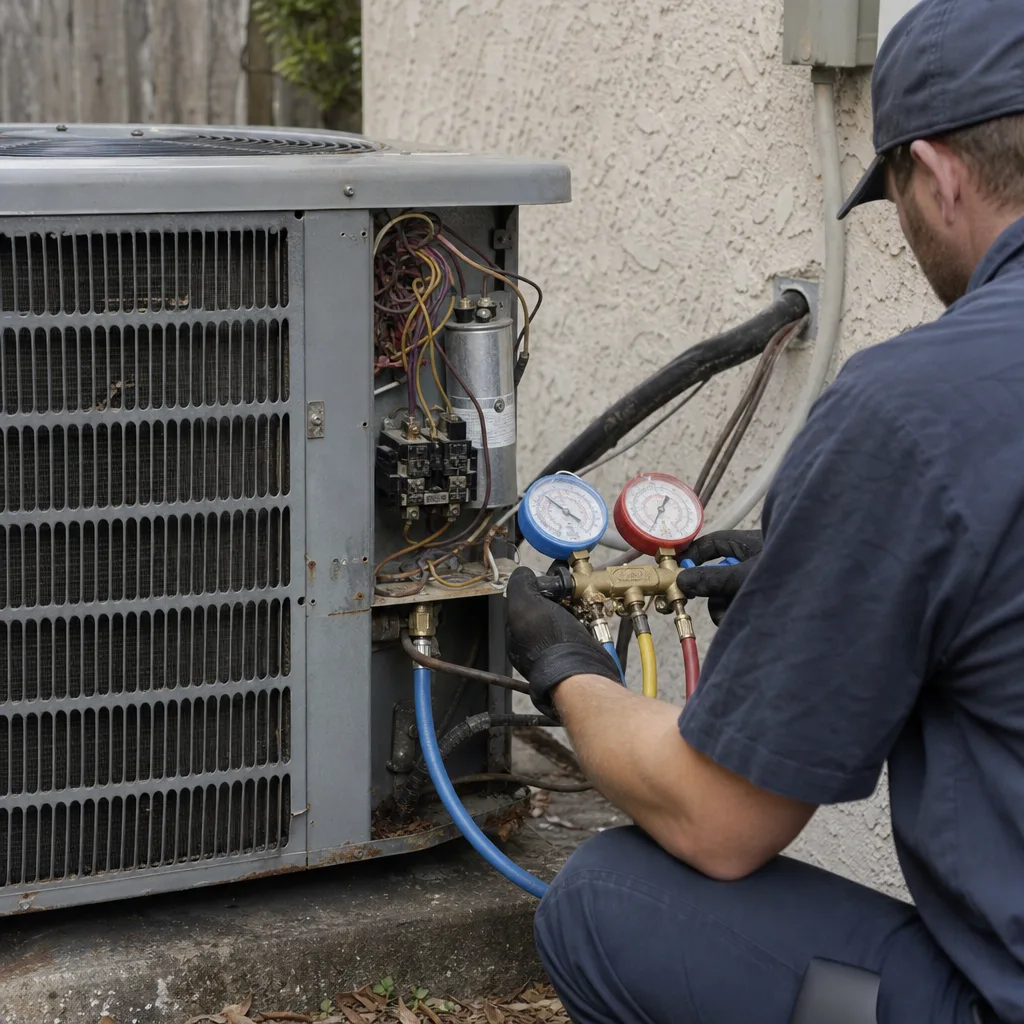 Before
 After
 Before
 After
 Before
 After
When to Call a Professional
Some things are homeowner-appropriate: replacing a filter, clearing debris around the condenser before storm season, checking that the thermostat batteries are fresh. Most HVAC problems are not, and calling at the right moment protects the equipment and your safety. Call a professional when you see ice on the refrigerant lines, smell burning, hear grinding or screeching, notice the breaker tripping repeatedly, or find water inside the outdoor unit after a storm. Call when the system has been running for hours and the house isn’t cooling. Call after any storm if you’re unsure whether the outdoor equipment took on water or impact damage, before you restart it. And call before a minor symptom becomes a full failure, so the repair stays small.
AC Repair Lehigh Acres offers free estimates in Lehigh Acres and works on the system you already have rather than steering you toward a preferred brand. The written estimate sets the final price. Call (866) 389-4593. We answer 24/7. Fast dispatch from 7am to 7pm, Sunday through Friday.
Frequently Asked Questions
Photograph your equipment data plates, switch the system off at the thermostat and breaker before the storm, trim nearby branches, and either secure or install a plywood shield over the outdoor condenser. After the storm, wait for power to steady, inspect the unit visually, and only then restart at the breaker. If you see water inside the electrical cabinet or damage to the fan blades, stop and call a technician. Call (866) 389-4593 for an exact quote on post-storm inspection – estimates are free.
Have your equipment brand and model number, the serial number, exactly what the system is doing right now, when the symptoms started, any troubleshooting you’ve already tried, and any recent service history. The model and serial numbers are the biggest time-savers because they let the technician confirm parts availability before arriving. If you don’t know them, a photo of the outdoor unit’s data plate works just as well. Call (866) 389-4593 and we’ll walk you through what we need.
It depends heavily on who lives in the home. For healthy adults, a few hours at indoor temperatures in the mid-to-upper 80s is uncomfortable but not dangerous. For elderly residents, infants, pets, and anyone with medical equipment, the safe window can be much shorter. Set a personal indoor temperature threshold with your household in advance, and have a cooler place to go identified before you need it. Call (866) 389-4593 to get on the schedule as quickly as possible.
Yes. Shut the thermostat off and flip the breaker that feeds the outdoor unit before a named storm arrives. This protects the compressor from power surges, brownouts, and rapid off-on cycles that can cause real damage. Restart only after the power has been steady for a while and you’ve done a visual inspection of the outdoor unit. Call (866) 389-4593 if you’re unsure whether a restart is safe.
Ice on the refrigerant lines, a burning smell, loud grinding or screeching, a fan that doesn’t spin while the compressor runs, and a breaker that trips repeatedly all point to an imminent failure. These are call-now signals, not wait-and-see signals. Weaker cooling, longer run times, and one room that’s always too warm are days-away signals that still deserve a prompt appointment. Call (866) 389-4593 for an exact quote – estimates are free.
We service nine of the most widely installed residential brands, including Carrier, Trane, Lennox, and Goodman, which together cover the vast majority of equipment in Lehigh Acres homes. If your brand is on our list, we work on it. If you’re not sure, tell us the brand on the call and we’ll confirm. Our technicians have up to 14 years of experience, and we come to diagnose and repair the equipment that’s in your home rather than steering you toward a replacement.
If you’d like a service appointment, our Lehigh Acres team is ready. Call (866) 389-4593 for a free estimate.
The Bottom Line
HVAC emergencies in Lehigh Acres aren’t really about the equipment; they’re about timing. The homeowners who come out of a heat wave or a hurricane with a working system fastest are the ones who had documentation ready, knew the warning signs, shut the system down properly before the storm, restarted it carefully after, and had a household cooling plan for the days when a technician couldn’t arrive instantly. None of that is complicated. All of it takes an afternoon of preparation before you need it. Do the prep once, and every future failure goes better. Our technicians have up to 14 years of experience and service the brands most Lehigh Acres homes already have, from Carrier to Goodman. Call (866) 389-4593 for a free estimate. We answer 24/7. Fast dispatch from 7am to 7pm, Sunday through Friday.
Written by the team at AC Repair Lehigh Acres.