
Last updated November 15, 2026
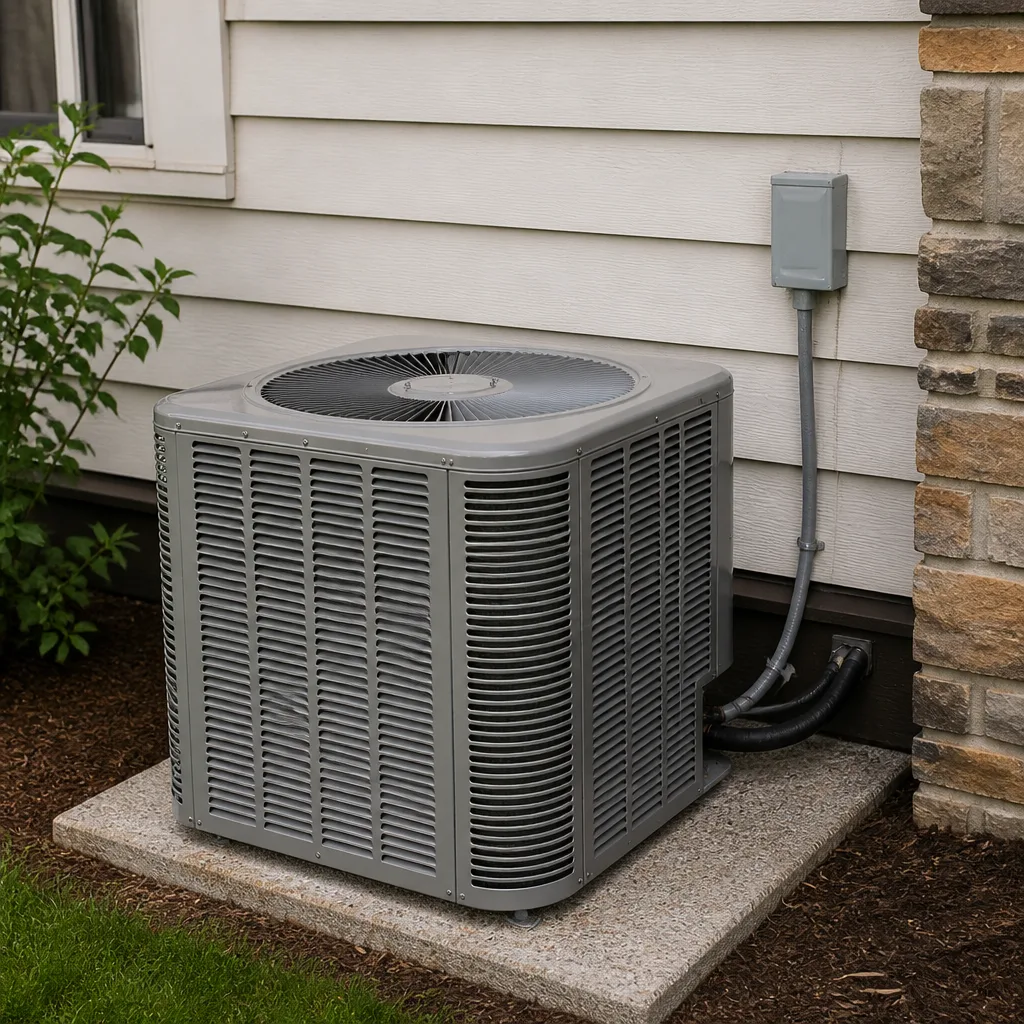 AC repair
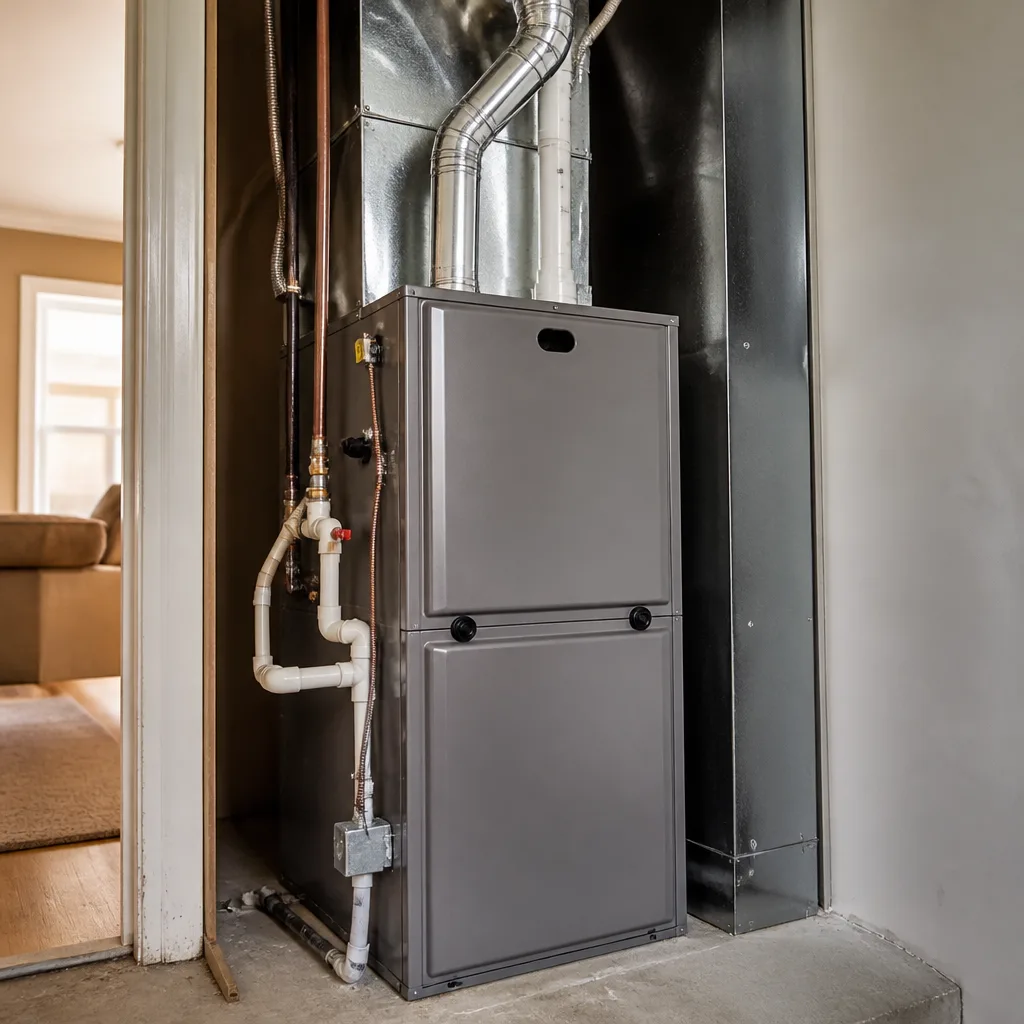 Furnace & heating
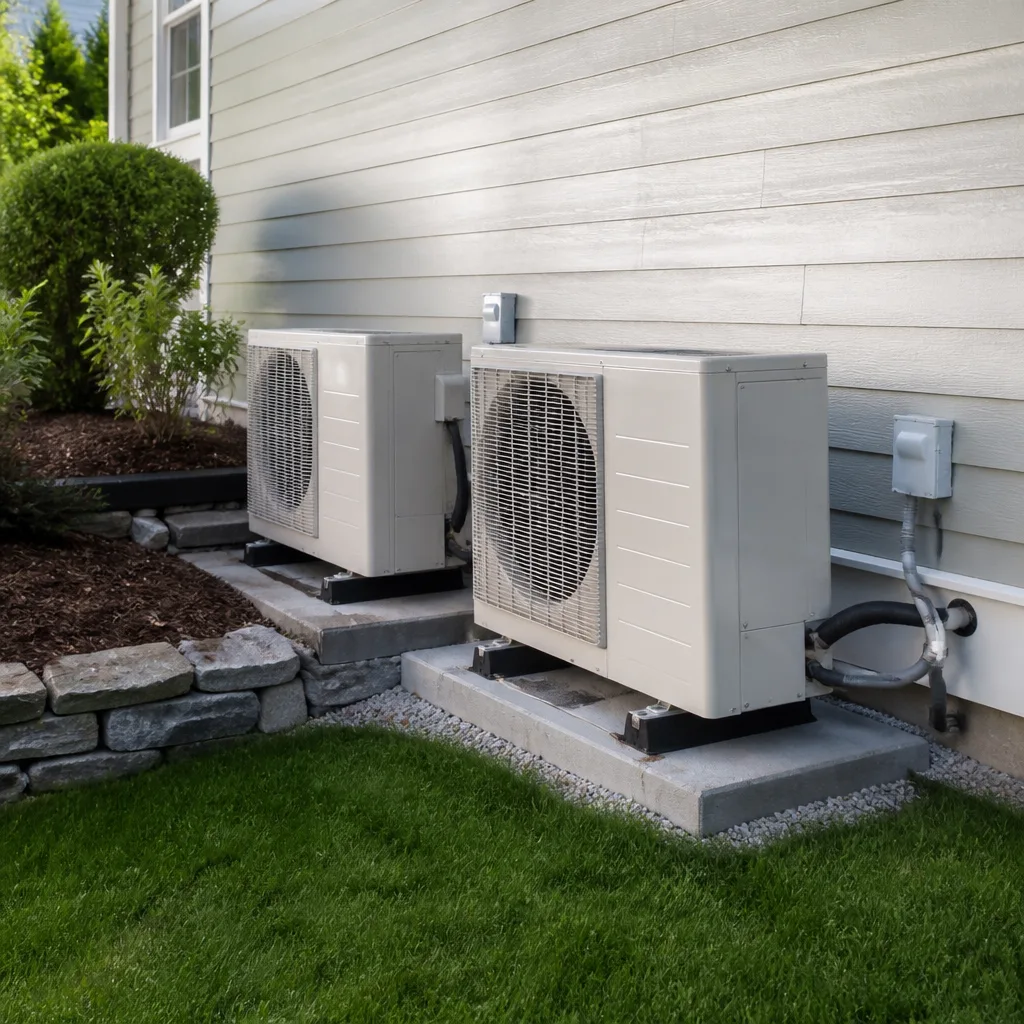 Heat pumps
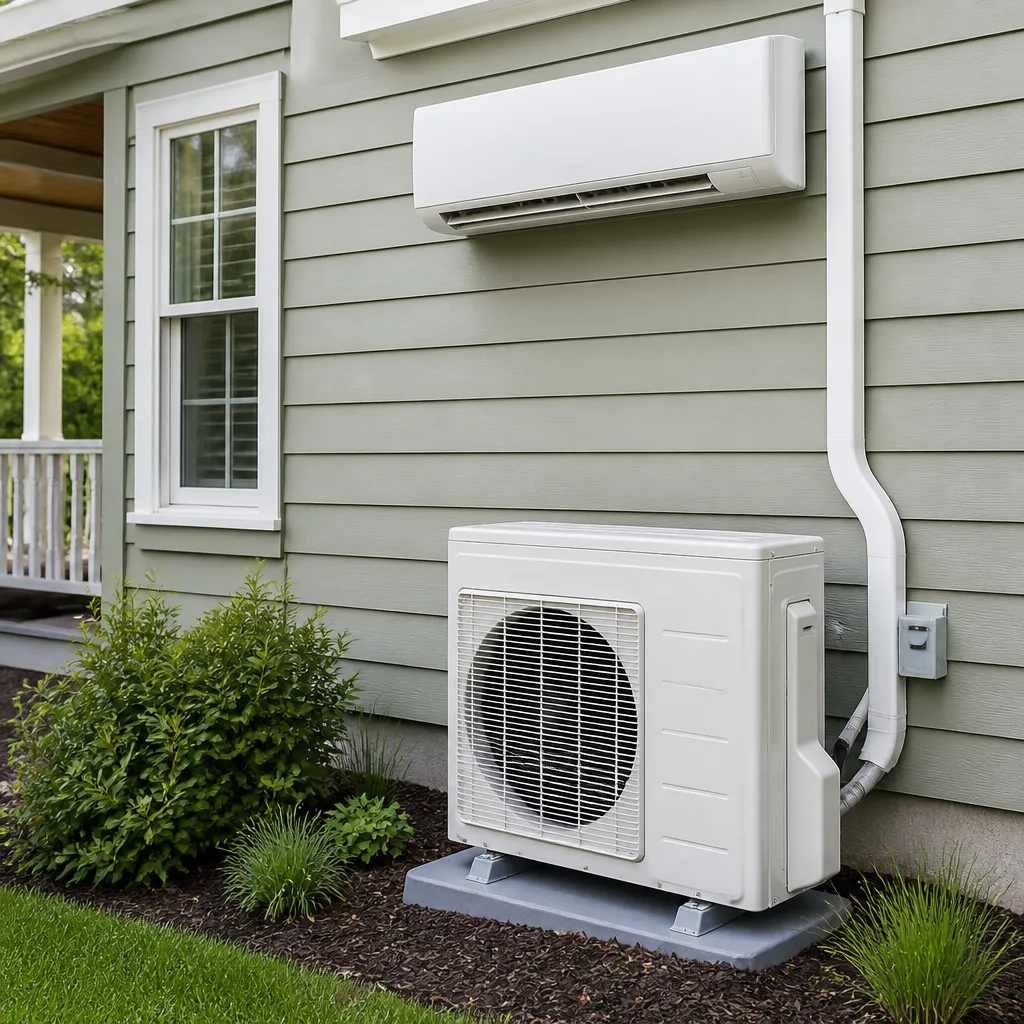 Ductless mini splits
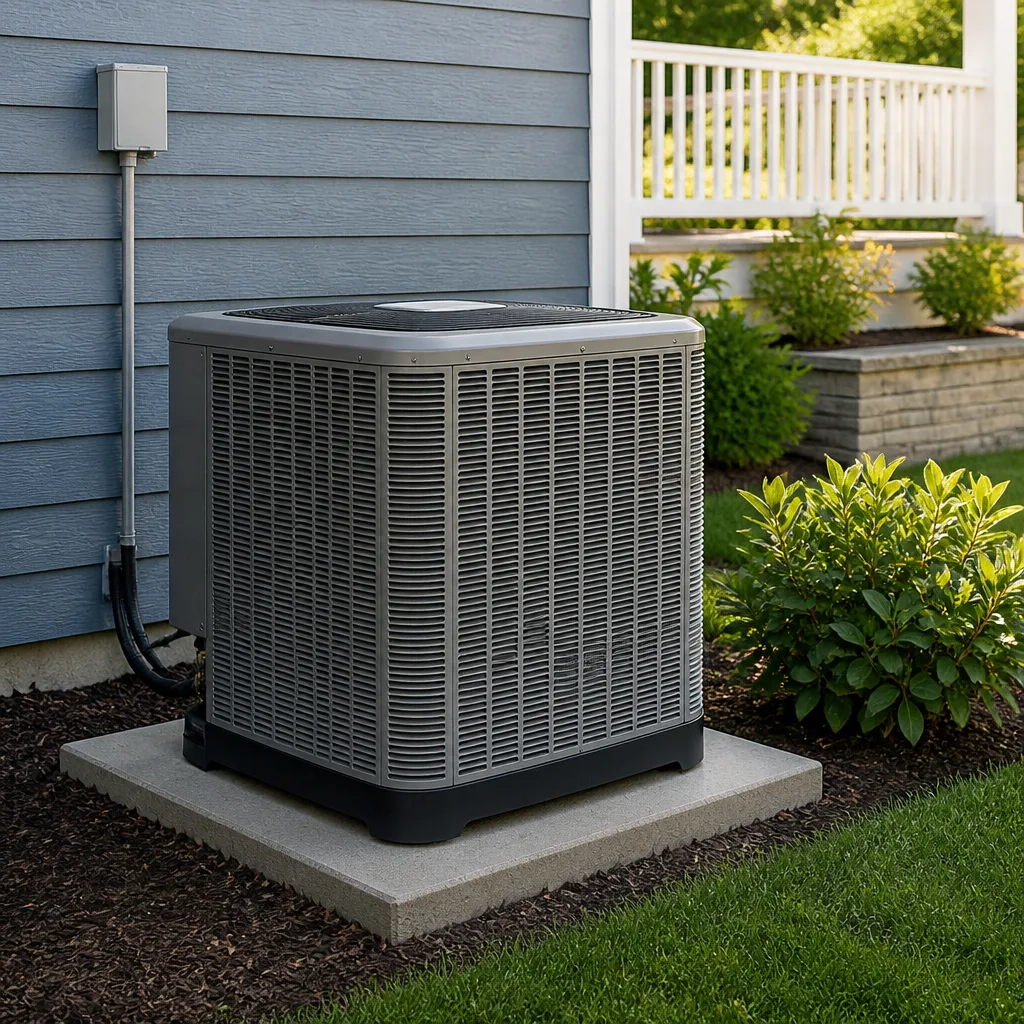 Carrier
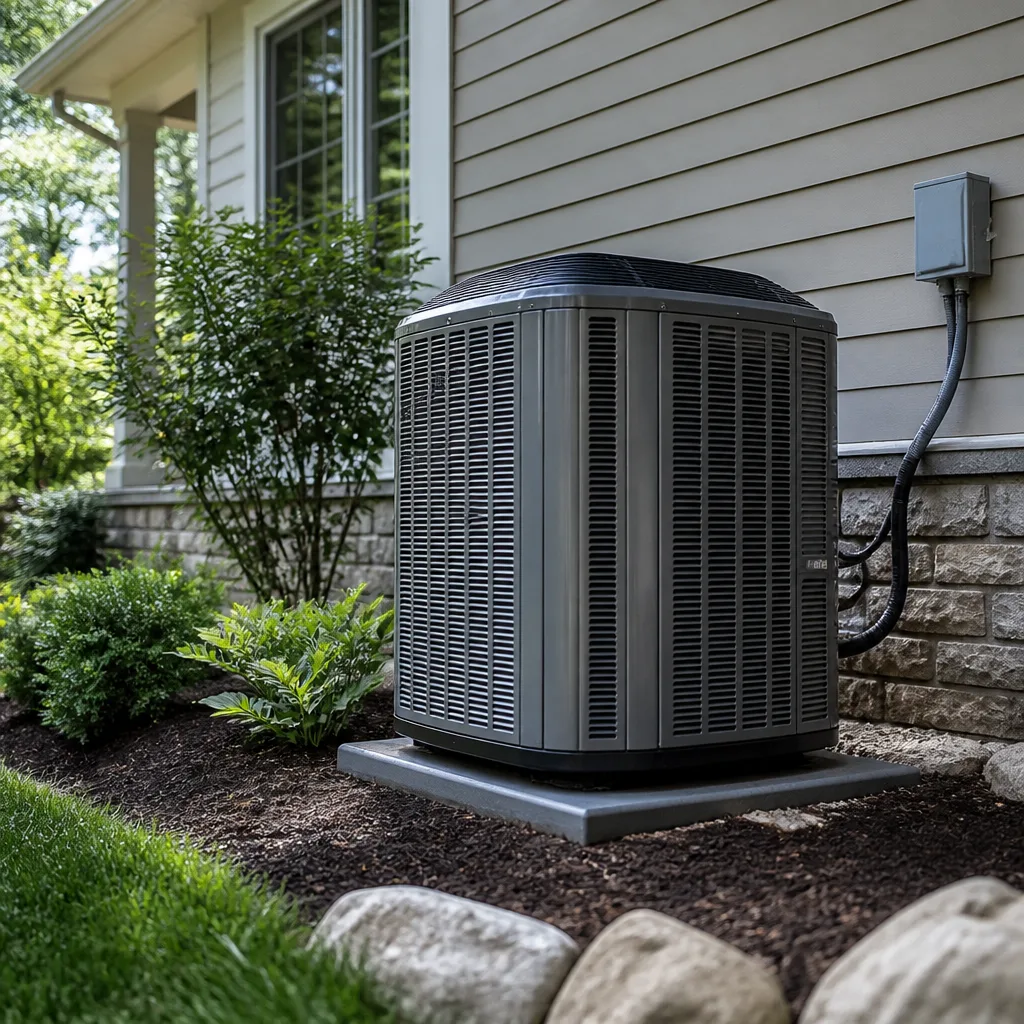 Trane
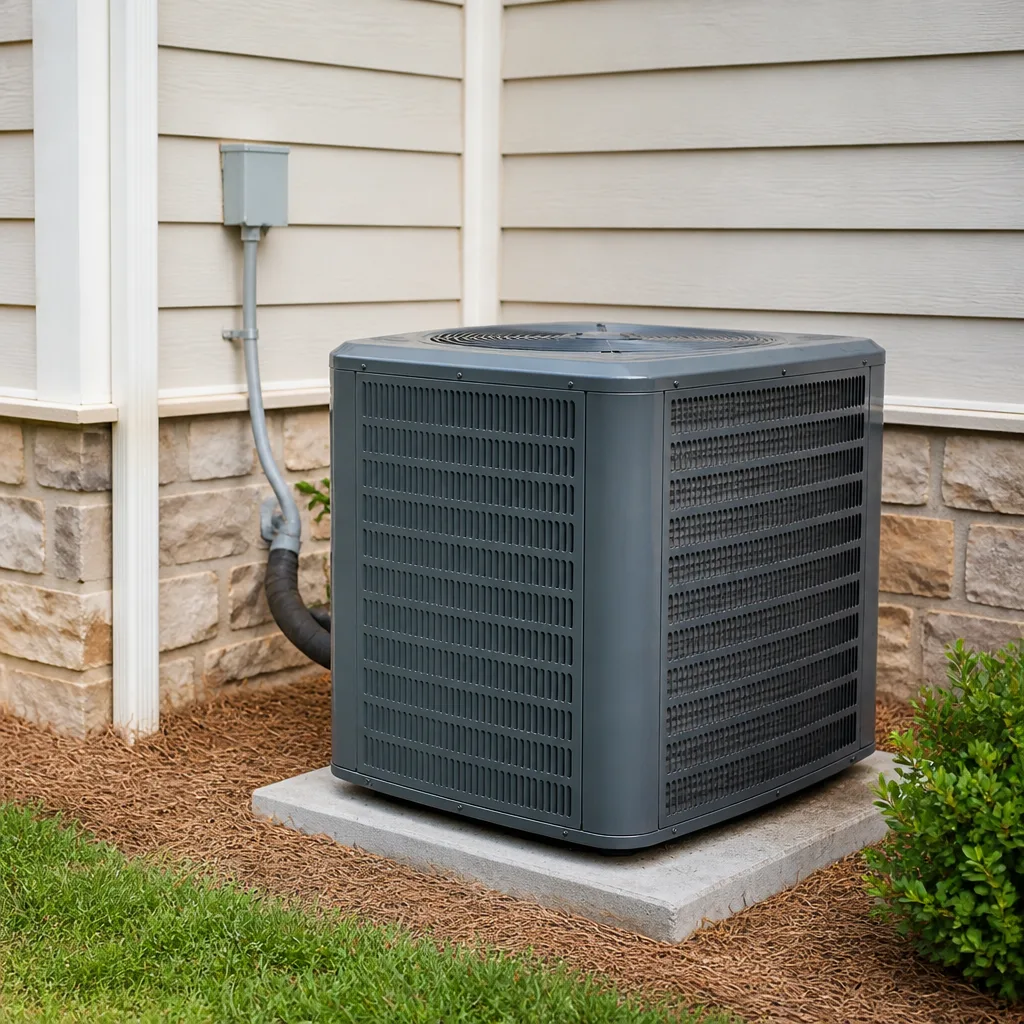 Goodman
Seasonal tune-up and full diagnostic on your Carrier, Trane, or Goodman system - readings shown to you before any repair is proposed
Diagnosis first, numbers second - you approve the repair price before a single part goes in.
Get your free estimateDIY vs Professional HVAC: The Lehigh Acres Homeowner’s Decision Guide
Most DIY-versus-professional comparisons are framed around money, and that framing misses what actually matters here. Replacing your own capacitor on a mild October afternoon in a northern state costs you about $30 and a couple of hours. Doing it wrong in Lehigh Acres in July means no AC for days while demand peaks and every technician in the county is booked, and that has costs no DIY calculator ever accounts for: spoiled food, a family sleeping in a house that won’t drop below 88°F, and equipment damage that started as a cheap part. This guide draws a hard line between the work you can genuinely handle and the work that will cost you more the moment you touch it.
Quick Answer
Filter changes, drain line flushing, thermostat swaps on basic systems, and clearing debris from around the outdoor unit are safe DIY tasks in Lehigh Acres, and they prevent a large share of the calls we see. Everything involving refrigerant, electrical components inside the cabinet, the compressor, or a sealed system is professional work, and in the case of refrigerant that’s a federal legal line, not a suggestion. When your system is blowing warm air or short-cycling, the smartest DIY move is a careful pre-check, not a repair attempt.
Styles & brands we work with
- AC repair
- Furnace & heating
- Heat pumps
- Ductless mini splits
- Carrier
- Trane
- Goodman
Table of Contents
- Why the DIY Math Is Different in Lehigh Acres
- What’s Genuinely DIY-Safe in Florida
- The Legal Line: Refrigerant and EPA 608
- The Hidden Costs of a Failed DIY Attempt
- How to Run a Pre-Check That Actually Helps
- Brand-Specific Complexity: Where DIY Ends
- Repair or Replace? The DIY Angle
- When to Call a Professional
Why the DIY Math Is Different in Lehigh Acres
In a climate with real winters, a broken furnace is uncomfortable but survivable. You layer up, you wait for parts, nobody’s health is at stake. A broken air conditioner in Lehigh Acres in July is a different situation entirely. Heat illness risk climbs fast for young children, elderly family members, and anyone with a heart or respiratory condition. That risk is the whole reason timing matters here and doesn’t matter nearly as much elsewhere.
There’s a second factor most homeowners don’t see coming: peak demand. When the first sustained stretch of 95°F afternoons hits, every HVAC company in the area fills its schedule. A homeowner who misdiagnoses a failed capacitor as a dead compressor, or who shorts a control board while probing it, is now competing for one of those slots with a system that’s completely dead instead of one that needed a $90 part. The wait is measured in days, and the house doesn’t cool down while you wait.
We’ve watched this pattern enough times to state it plainly: in Lehigh Acres, the cost of a DIY mistake isn’t the price of the repair you attempted. It’s the repair you attempted, plus the diagnosis of what you broke, plus whatever spoils in the fridge, plus however long you sit in the heat waiting.
None of this means you shouldn’t touch anything. It means the list of things worth attempting is shorter here than a northern homeowner’s YouTube feed would suggest. The work that pays off is preventive, cheap, and low-risk. The work that backfires is anything that requires opening a panel or guessing at a symptom, and the two categories are easy to tell apart once you know where the line is.
What’s Genuinely DIY-Safe in Florida
Four tasks produce real value with near-zero risk. Each one has a specific tool requirement and a specific limit, and knowing the limit is what keeps you out of trouble. Here’s the list, ranked by how much it actually helps:
- Filter replacement. A clean filter keeps airflow where the system was designed to run it. In Lehigh Acres, dust and pollen load up filters faster than most published change intervals suggest, so check monthly during cooling season and replace when the filter looks gray, not when a calendar tells you to. You need the correct size (printed on the old filter’s frame) and nothing else. A clogged filter is one of the most common causes of frozen coils and high electric bills, and it takes five minutes to rule out.
- Drain line flushing. A condensate drain that clogs will eventually trip the float switch and shut the system down. Flushing the line with water and checking the outdoor termination point keeps it flowing. You need a cup of water and a minute. If the line won’t clear, or water is pooling inside the air handler cabinet, stop there; that’s a technician’s problem, not a plunger problem.
- Thermostat swaps. Replacing a basic thermostat with another basic thermostat is well within reach for anyone comfortable with a screwdriver and a breaker switch. The catch is compatibility. A communicating or variable-speed thermostat is not a simple swap, and a mistaken wire placement can damage the control board. Photograph the wiring before you disconnect anything, and if the new thermostat’s manual has a compatibility chart with more than one page, that’s your signal to stop.
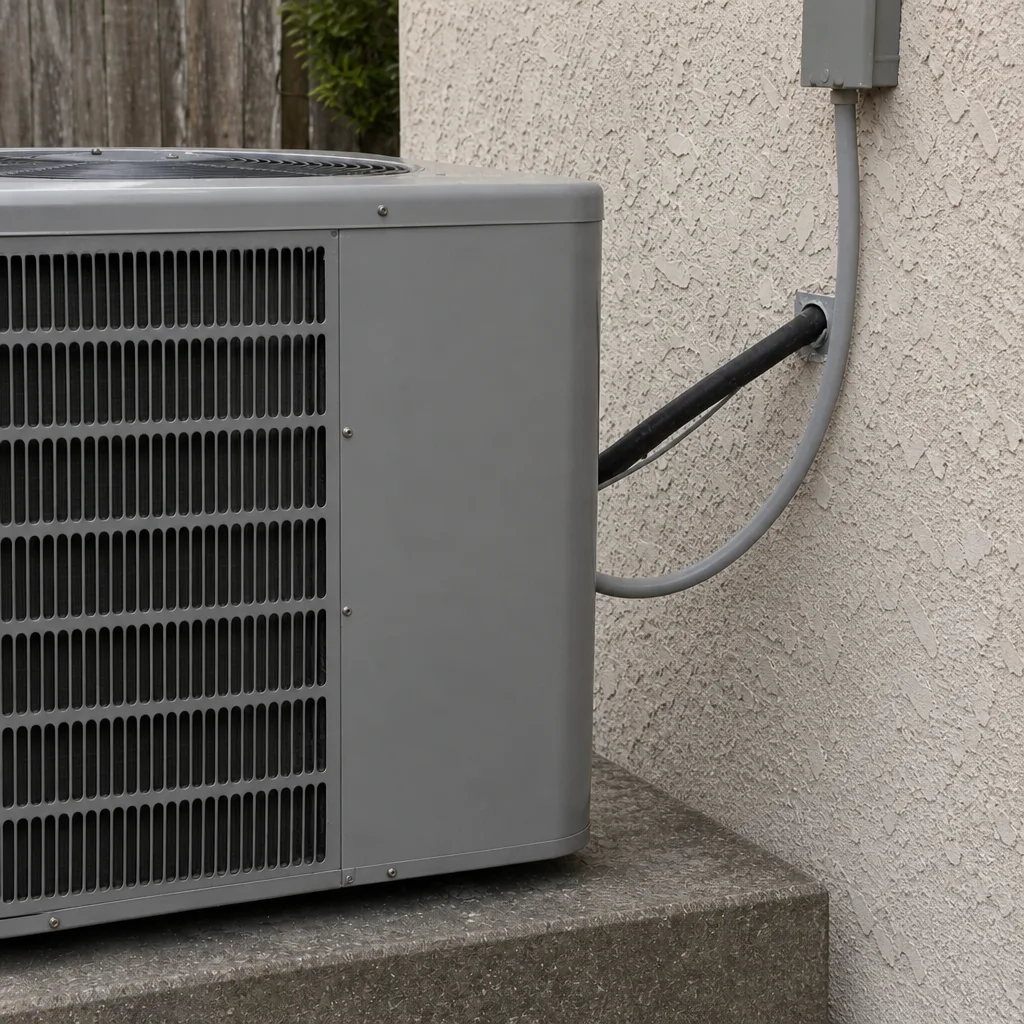
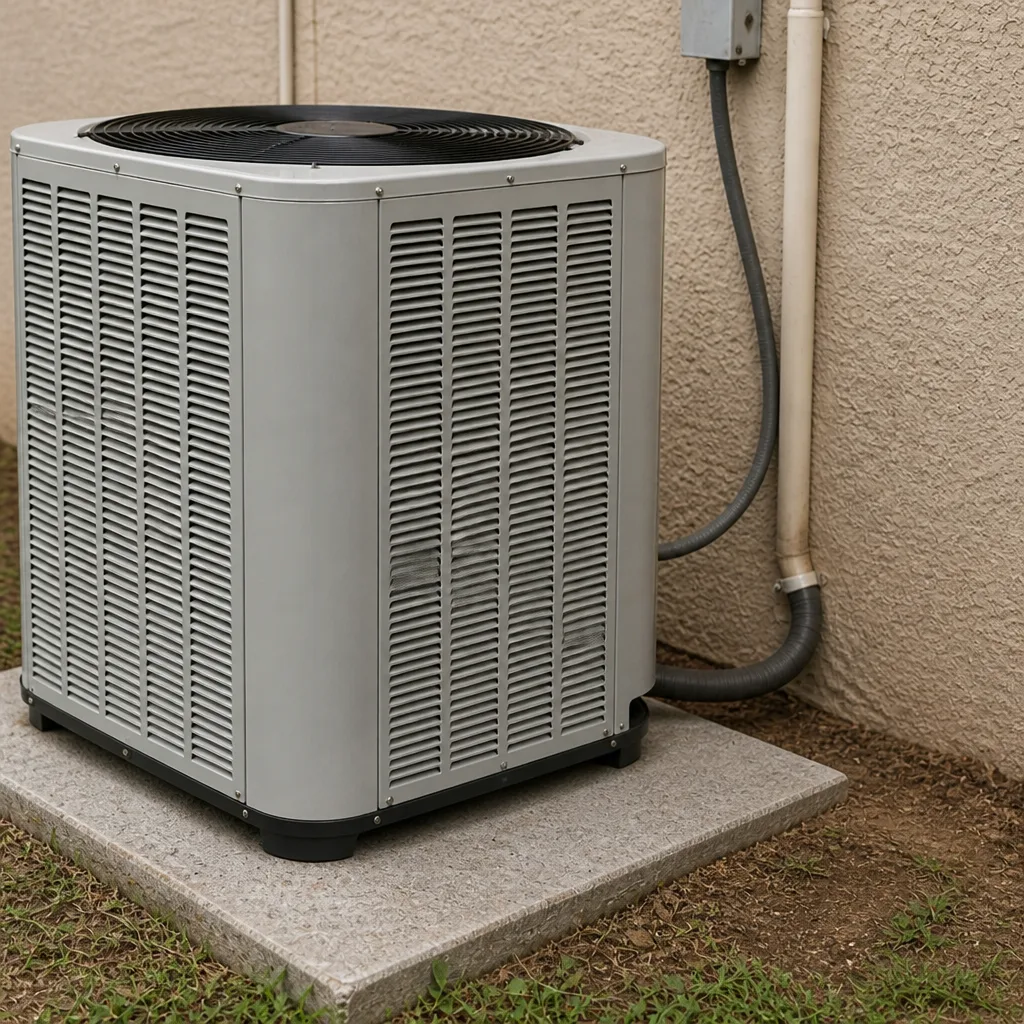
- Outdoor unit clearing. The condenser needs airflow. Clearing leaves, cut grass, and stored items from around the unit and rinsing the coil fins gently with a garden hose (not a pressure washer) helps the system shed heat. Never remove the fan grille or reach inside the cabinet. The capacitor and contactor live in there, and they carry a charge even with the power off.
That’s the whole safe list. Notice what’s on it: nothing electrical beyond a thermostat swap, nothing sealed, nothing that requires gauges. If your task isn’t one of these four, the smart play is a diagnosis, not a repair attempt. If you’d rather have the system checked properly, our AC Repair Lehigh Acres page walks through what a real diagnostic visit covers.
The Legal Line: Refrigerant and EPA 608
Handling refrigerant without EPA Section 608 certification is a federal violation. Not a gray area, not a safety suggestion, not a rule that varies by state. It’s a law, and it’s the single clearest line in the whole DIY debate. Purchasing refrigerant in quantities intended for equipment servicing requires the certification, and venting it to atmosphere is illegal regardless of who’s doing it.
This matters because low refrigerant is one of the most common symptoms homeowners try to fix themselves, and it’s also one of the most commonly misdiagnosed. A system that’s low on charge has a leak somewhere. Adding refrigerant to a leaking system is a temporary patch that costs money, releases more refrigerant over time, and delays the repair that actually solves the problem. No YouTube tutorial changes the certification requirement, and none of them can find a leak without the right equipment anyway.
What’s left for the homeowner here is observation, not intervention. If you notice ice on the indoor coil or the refrigerant line, or the system runs constantly without reaching the set temperature, that’s useful information for a technician. Write it down and pass it along. The line between “I noticed this” and “I fixed this” is where the law lives, and the safe side of it is the side where you keep your hands off the sealed system.
One more thing worth knowing: a technician working on refrigerant needs the certification to buy it, handle it, and recover it legally. That’s a real credential, and it’s part of what you’re paying for when you hire a professional. It’s also why the cost of a refrigerant repair isn’t comparable to a DIY attempt; there is no legal DIY tier for this work at all.
The Hidden Costs of a Failed DIY Attempt
A failed DIY attempt has three costs, and only one of them shows up on the receipt. Understanding all three is the whole point of taking the decision seriously.
- Urgency. A system that’s simply broken gets scheduled into the normal queue. A system that’s broken because a homeowner swapped a contactor and torched the control board is now an emergency, and emergencies compete for the same technician hours as everyone else’s breakdowns during peak season. In Lehigh Acres in August, that queue is long. The scheduling cost isn’t a fee; it’s days of heat.
- Secondary damage from misdiagnosis. A frozen coil caused by a clogged filter is a filter problem. A frozen coil caused by low charge is a leak problem. A frozen coil caused by a failing blower motor is a motor problem. All three look identical from the hallway. A homeowner who guesses wrong on the cheapest possibility and keeps running the system can turn a low-charge diagnosis into a compressor replacement, and that’s where the cost multiplies.
- Warranty voidance. Most equipment warranties require maintenance performed to manufacturer specifications, and they exclude damage from unauthorized repairs or installation by unqualified persons. Carrier, Trane, Bryant, and American Standard all publish warranty terms with language to that effect. A DIY repair that causes damage can void coverage on the part that fails later, and the homeowner usually discovers this when they need it most.
The math is simple once you see it: the repair you’re attempting has to succeed, first time, with no mistakes, to save you anything. If it fails, you’ve paid for the attempt and the diagnosis and the consequences, and you’ve lost time in a house that gets hot fast. That’s the tradeoff nobody’s DIY calculator models.
The way to avoid all three costs is to spend your own effort on the pre-check, which is free and useful, and hand the repair to someone who does it correctly the first time. The pre-check is next.
How to Run a Pre-Check That Actually Helps
A good pre-check makes the professional diagnosis faster and better, and doing it doesn’t cost anything. It’s the one place where your own effort genuinely pays off. Here’s how to do it well:
- Note what the system is doing and when. “Blows warm air all day” and “cools for twenty minutes, then shuts off” are two completely different symptoms with two completely different causes. Write down the pattern, including whether it started after a storm, a filter change, or a breaker reset.
- Check the filter and note its condition. If it’s clogged, replace it and see what happens. A clogged filter alone can cause short-cycling and coil freeze-up. If the problem persists after replacement, note the date and the filter size for the technician.
- Check the breaker and the float switch. A tripped breaker or a float switch that’s cut the system off is worth knowing before anyone drives out. Reset the breaker once. If it trips again, leave it off; that’s an electrical problem and it’s not one to keep resetting.
- Note your indoor and outdoor temperatures. The spread between the thermostat reading and the register temperature tells a technician a lot about whether the system is running but underperforming, or not running at all.
- Gather the model and serial numbers. The equipment’s age and exact model matter for parts availability and warranty status, and having them ready saves the technician a walk back to the truck.
A homeowner who hands over that information gives the technician a head start on diagnosis and often shortens the visit. For a system that’s cooling poorly rather than completely dead, that can mean fewer parts checked and a faster path to the actual problem. If you want to know more about what we do on a diagnostic visit, our AC repair page explains how we approach a no-cool call.
Brand-Specific Complexity: Where DIY Ends
Not all equipment is built the same, and the DIY ceiling moves lower with every generation of system. Here’s the pattern, roughly ordered from most DIY-friendly to least:
- Single-stage systems with basic thermostats. These are the closest thing to the old equipment your YouTube tutorials were made for. A filter change, a drain flush, and a thermostat swap are all reasonable. Capacitor swaps are still a bad idea, but the system itself is forgiving.
- Two-stage systems with basic controls. Still mostly forgiving on the homeowner-safe tasks, but the control board is more sensitive, and a thermostat swap has to match the system’s staging. This is where we’d suggest reading the compatibility chart carefully or having it done.
- Variable-speed inverter systems and communicating thermostats. There is effectively no DIY tier for these. The thermostat, the air handler, and the outdoor unit talk to each other over proprietary communication protocols. A basic thermostat swap won’t work, and some “smart” replacements will cause the system to throw fault codes that require proprietary diagnostic tools to clear. Carrier and Trane both field equipment in this category, and so does Bryant.
If your home has a variable-speed outdoor unit or a communicating thermostat, the safe DIY list shrinks to filter changes and drain flushes. That’s not a knock on you; it’s a statement about how much integration the equipment does on its own. When a system is built to talk internally, it’s not buildable, repairable, or diagnosable from a phone.
Our technicians have up to 14 years of experience and work on equipment from Carrier, Trane, Lennox, Goodman, Rheem, York, Daikin, Bryant, and American Standard. When a system needs service we don’t require it to be one brand; we work with the equipment you already have. If you’re deciding between repair and replacement for a system that’s reached the end of its useful life, our AC installation page covers what that decision involves and what to expect from a scheduled install.
Repair or Replace? The DIY Angle
DIY rarely makes sense as a bridge to replacement. It makes sense as a way to avoid calling anyone about a problem that turns out to be a filter. The repair-or-replace decision is a professional call, and the DIY angle changes the framing: if the repair you’re considering attempting is more expensive than the equipment’s remaining value, replacement starts to look different.
The factors that matter in a Lehigh Acres decision:
- Age and refrigerant type. Older systems on discontinued refrigerants face rising service costs as available supply shrinks. That’s a replacement accelerator, and it’s not something a homeowner can evaluate from a spec sheet.
- Repair frequency. A system that’s needed three repairs in two cooling seasons is telling you something. One repair on a young system is not.
- Efficiency gap. A system that’s been running for a long time on an aging compressor is working harder than newer equipment to deliver the same cooling, and in a climate where the system runs most of the year, that gap has a monthly cost.
- Warranty status. If the system is still covered, repair is a much stronger play, and DIY repairs risk the coverage. If it isn’t, the calculus shifts.
The honest version of this decision requires a technician who’ll tell you to repair when repair is right. We diagnose the system that’s actually in your home, not a preferred brand, and we’ll tell you which side of the line you’re on. New installs and replacements are scheduled work, planned and priced in a written estimate, not same-day work; if a new system is the answer, you’ll have a set install date and a fixed price before anyone starts. Replacement is also a load-calculated decision, and that calculation happens before scheduling, not in a truck on the way out.
When to Call a Professional
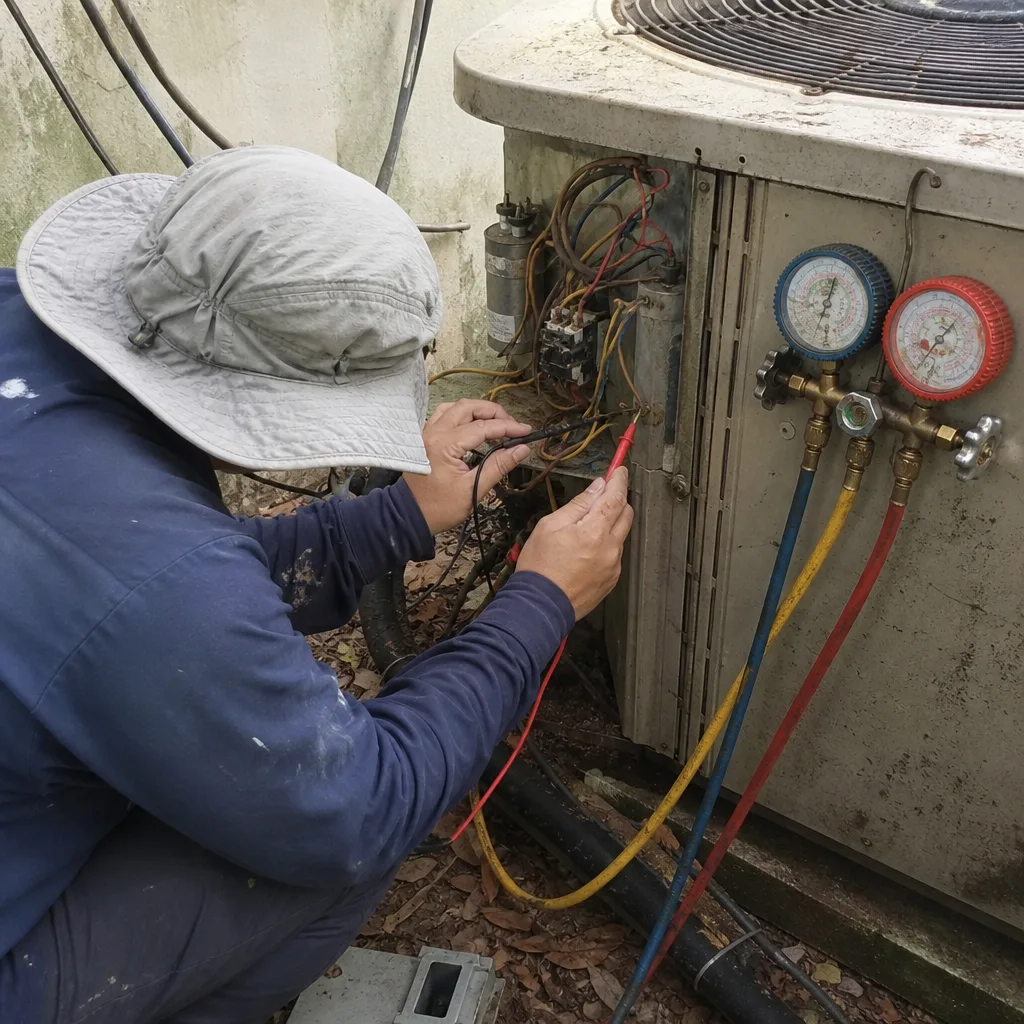
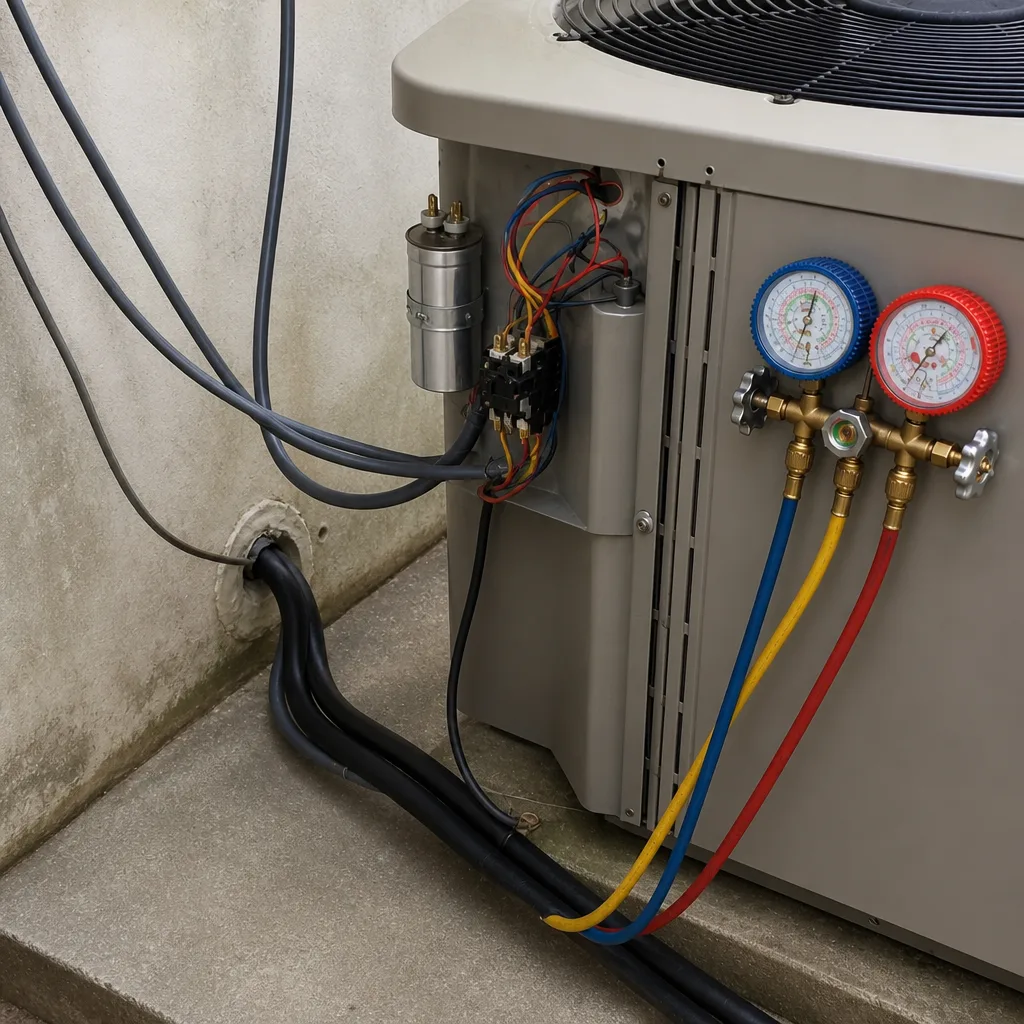
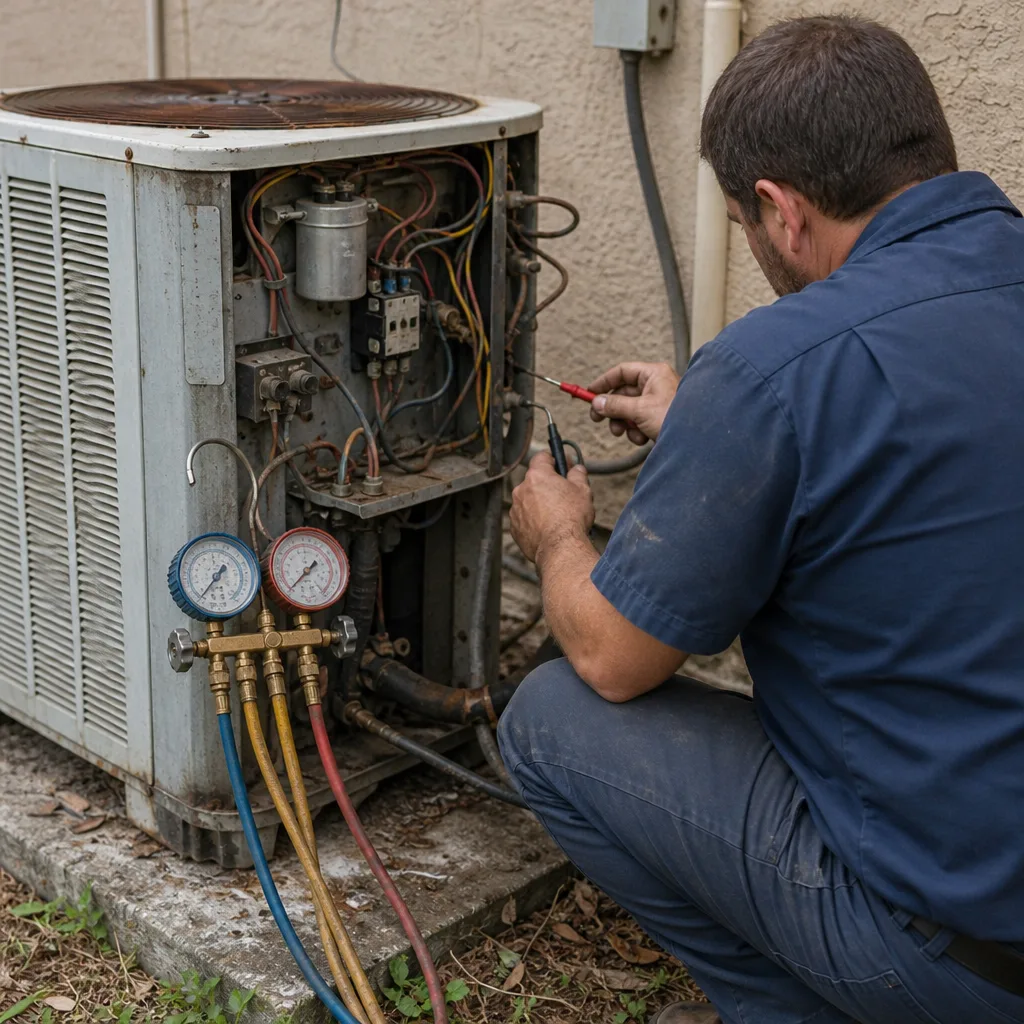
Call a professional for any of the following: the system is blowing warm air and a filter change didn’t fix it; the breaker trips more than once; the outdoor unit is making a grinding, clicking, or screaming noise; there’s ice on the indoor coil or the refrigerant line; the system is short-cycling; the condensate drain overflows and won’t clear; or your equipment is a variable-speed or communicating system and anything at all is wrong. Those conditions involve sealed refrigerant, high-voltage components, or diagnostic tools a homeowner can’t reasonably buy. Refrigerant handling requires EPA 608 certification, and the electrical components inside the cabinet hold charge even when the disconnect is pulled.
For those situations, AC Repair Lehigh Acres offers free estimates in Lehigh Acres, so a diagnosis won’t cost you anything to find out what’s actually wrong. Call (866) 389-4593. We answer 24/7, and a call outside dispatch hours is booked into the next opening, Sunday through Friday, 7am to 7pm. We’re closed Saturday; if a system fails on a Saturday, call and we’ll schedule you for Sunday. Fast dispatch from 7am to 7pm.
See the difference
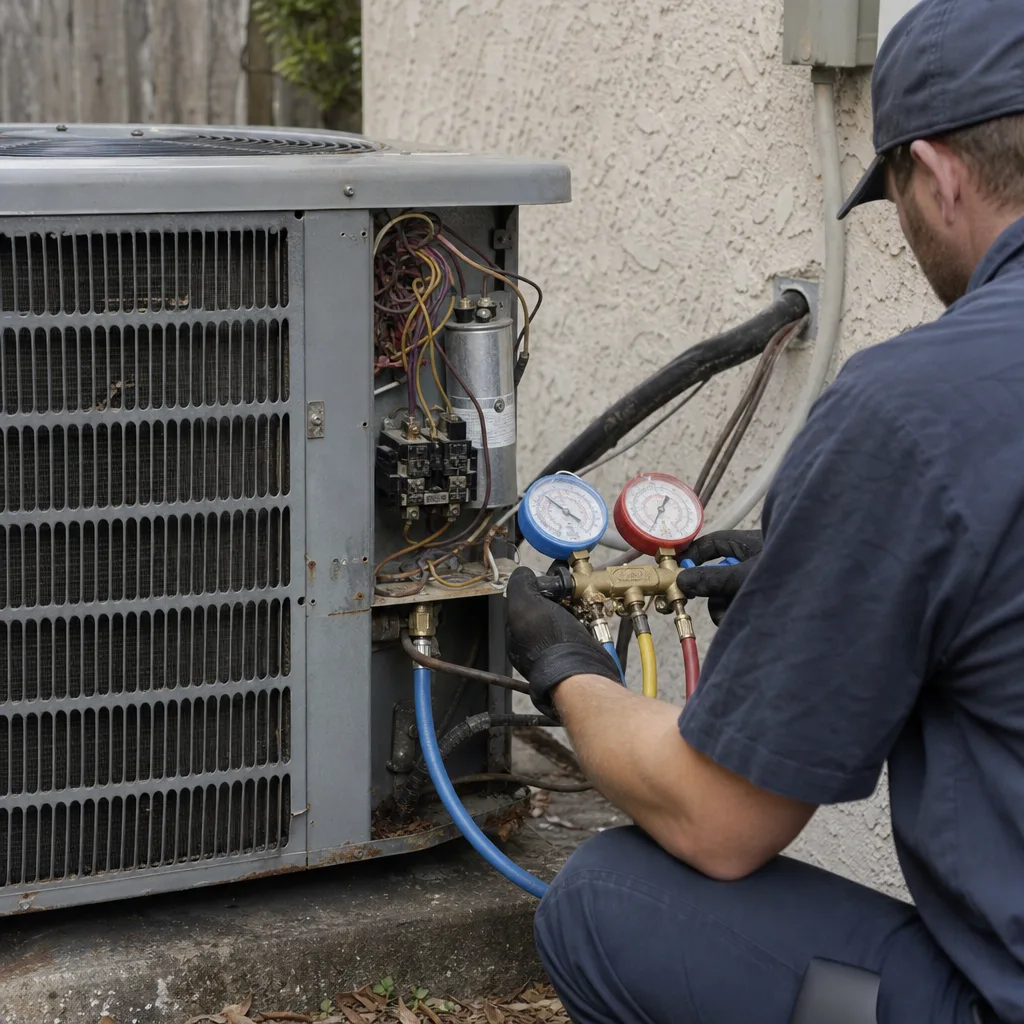 Before
 After
 Before
 After
 Before
 After
Frequently Asked Questions
No. Handling refrigerant without EPA Section 608 certification is a federal violation, and venting refrigerant is illegal regardless of certification. The equipment, the recovery process, and the leak-finding tools all require certification and training. Call (866) 389-4593 for a certified diagnosis and a free estimate.
You can if your system is a basic single-stage or two-stage setup with a conventional thermostat, and you photograph the wiring before disconnecting anything. If you have a variable-speed system or a communicating thermostat, a swap done without the right replacement will cause fault codes and potentially damage the control board. When in doubt, have it done by a technician; call (866) 389-4593 to ask.
Less than you’d expect in summer. During a heat advisory, indoor temperatures climb quickly, and heat illness risk rises for young children, elderly family members, and anyone with a heart or respiratory condition. A house that’s hot during the day and doesn’t cool overnight is a real safety problem, not just an inconvenience. Call (866) 389-4593 as soon as the system stops cooling.
Often, yes. Most manufacturer warranties exclude damage from unauthorized repairs and require maintenance performed to specification. Carrier, Trane, Bryant, and American Standard all publish terms to that effect. If a DIY repair causes damage to a covered part, that part may no longer be covered. Call (866) 389-4593 for a free estimate before attempting a repair to keep the warranty intact.
Because a frozen coil has multiple causes, and a clogged filter is only the cheapest one. Low refrigerant from a leak, a failing blower motor, and restricted airflow from duct issues all look the same from a distance. The filter change rules out the easiest cause; anything beyond that requires gauges and a trained eye. Call (866) 389-4593 for a diagnosis that finds the actual cause.
A pre-check is what you observe and write down: symptoms, patterns, filter condition, model numbers, temperature readings. A diagnosis is what a certified technician does with gauges, meters, and training to identify the failing component. A pre-check shortens diagnosis time; it can’t substitute for it. Call (866) 389-4593 and bring what you found; the estimate is free.
Common Mistakes to Avoid
- Swapping a capacitor or contactor without discharging the circuit. Those components hold a charge even with the disconnect pulled, and they’re inside the cabinet where the fan and compressor wiring lives. This is the single most common injury path in the whole DIY HVAC world.
- Adding refrigerant to a leaking system. A system that’s low on charge has a leak. Topping it off costs money, releases refrigerant illegally if you’re not certified, and delays the repair that solves the problem. It’s also a federal violation without EPA 608 certification, no exceptions.
- Resetting a tripping breaker more than once. A breaker that trips is doing its job. Resetting it repeatedly without diagnosis is a way to turn an electrical fault into a fire risk.
- Pressure-washing the outdoor condenser coil. The fins are thin and easily crushed. A garden hose is fine; a pressure washer bends the fins flat and kills the coil’s ability to shed heat. That’s a repair you didn’t need to start.
- Assuming a variable-speed system takes a basic thermostat. Communicating equipment uses proprietary protocols. A basic thermostat won’t work, and some swaps cause faults that require proprietary tools to clear. Check compatibility before you buy the replacement.
- Ignoring a leaking drain line. Water pooling inside the air handler cabinet damages the blower, the board, and the cabinet itself. A drain flush costs nothing; the consequences of a clog don’t.
- Skipping the pre-check because you’re “just going to call someone.” A homeowner who has the symptoms, filter condition, and model numbers ready gets a faster diagnosis and often fewer parts checked. That’s free value you’re leaving on the table.
The Bottom Line
In Lehigh Acres, the DIY-versus-professional question isn’t really about $30 in parts. It’s about what happens when the attempt fails in 95°F heat. Filter changes, drain flushes, basic thermostat swaps, and clearing the outdoor unit are worth doing and cost you almost nothing. Everything else lives on the far side of a legal and safety line: refrigerant requires EPA 608 certification, the cabinet holds live charge, and a misdiagnosis that keeps a system running can turn a cheap part into a compressor. The smart play is to run the pre-check yourself, bring the findings to a technician, and let a proper diagnosis drive the repair decision. That’s how you get the most from your own effort without overreaching.
If your system is blowing warm, short-cycling, freezing up, or just not keeping up, call (866) 389-4593 for a free estimate. We answer 24/7. Fast dispatch from 7am to 7pm, Sunday through Friday, and we’re closed Saturday. Our team works on your brand, diagnoses honestly, and won’t steer you toward a replacement when a repair is the right call. That’s what an HVAC-only specialist means in Lehigh Acres.
Written by the team at AC Repair Lehigh Acres.